How to Make Smash Burgers on the Stove
Master stove-top smash burgers with a hot cast-iron skillet, fast crust, and juicy centers. This guide covers prep, technique, and toppings for crusty, flavorful results.


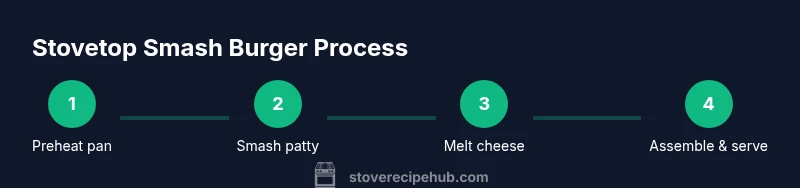
Master stove-top smash burgers using a screaming-hot skillet, a thin beef patty, and fast cheese melt. The key steps are preheating, smashing, searing, and assembling with toasted buns and toppings. This guide covers prep, technique, timing, and toppings to deliver a restaurant-quality smash burger right at home.
What stovetop smash burgers deliver
On the stove, a smash burger delivers a blistered crust and juicy center with minimal effort. The key is heat, timing, and a good fat-to-meat balance. According to Stove Recipe Hub, a properly heated skillet and a thin patty are essential to develop the iconic crust without drying the interior. The Stove Recipe Hub team found that rapid searing of a small beef puck creates browning in seconds and seals juices quickly. In this guide, you'll learn to plan your mise en place, preheat and smash, melt cheese at the right moment, and finish with toasted buns and crisp toppings. By following these steps, you can produce restaurant-quality smash burgers at home using only a stove, a skillet, and a few pantry items.
Core ingredients and why they matter
The backbone of a great stove-smash burger is simple, honest ingredients. Use ground beef with some fat content to ensure juiciness; too lean meat can dry out under intense heat. A sturdy bun that toasts well adds texture and helps hold toppings without soggy failure. Cheese should melt quickly and evenly, with American or cheddar being common favorites. Simple toppings—pickle rounds, sliced onions, crisp lettuce—highlight the beef rather than overpower it. According to Stove Recipe Hub, balancing crust formation with interior moisture hinges on choosing the right beef and toasting the bun for contrast. This section helps you pick friendly, pantry-friendly components that deliver crave-worthy results on your stovetop.
Set up and preheat your station
Before you cook, assemble your mise en place and heat your pan. A well-seasoned cast-iron skillet or heavy-bottom pan works best for a blistered crust. Have your salt, pepper, oil, beef balls, buns, and cheese within arm’s reach. Preheat the skillet on high until it just begins to smoke, then reduce to maintain a steady sear. A hot pan is non-negotiable for crust formation, and you’ll want toppings ready to go so the burger remains hot when assembled. This prep focus minimizes delays and keeps your temperature under control for a clean sear.
Smash technique: the crust, not the patty
The signature of a smash burger is the crust that forms in moments. Place a small beef ball in the hot pan and press it flat with a heavy spatula or a dedicated burger press. Apply quick, firm pressure for a few seconds to spread the meat thin without creating a dense disk. Do not constantly move the patty; let it sear and crust. This rapid technique traps juices and creates a caramelized surface that delivers great flavor and texture. Once the crust forms, sprinkle a touch of salt and pepper to season the exposed surface and prepare for the flip.
Cheese melt, buns, and final assembly
Right after the crust forms, add cheese so it can melt into the patty as it finishes cooking. Toast the buns briefly in the same pan to pick up more flavor and keep them from becoming soggy. Build the burger by placing the cheese-covered patty on the bottom bun, add toppings, and crown with the top bun. The result should be a hot, crusty crust with a juicy center and a well-balanced bite. This section ties together the timing and components for a satisfying stove-top smash burger.
Troubleshooting and common corrections
If the crust browns too slowly, increase heat slightly or give the pan more preheat time, but watch for scorching. If the patty sticks, check pan temperature and oil coverage, and avoid moving the patty after smash until crust forms. For extra juiciness, consider a small, gentle finish with a brief cap of steam by lowering the heat momentarily after the flip. The goal is consistent crust with minimal moisture loss, achieved by precise heat management and timing.
Flavor variations and advanced tweaks
Try different cheeses for unique flavor profiles, such as pepper jack for heat or sharp cheddar for bite. Alternate toppings like quick-pickled onions, tangy pickles, or a dash of Dijon for acidity. Experiment with bun types—brioche for a rich bite or potato rolls for extra chew. If you want a thicker bite, stack a second patty on top or add a fried egg for a breakfast-style smash burger. These variations keep the method flexible while preserving the essential crust-first technique.
Tools & Materials
- Cast-iron skillet(10-12 inch is ideal; preheat thoroughly until surface is hot and slightly shimmering)
- Spatula (wide, sturdy)(Heavy-duty metal or heat-safe plastic; use to press and flip without tearing crust)
- Ground beef (fat content encouraged)(Aim for meat that feels pliable and not overly compact)
- Salt(Season liberally but evenly—season after smashing to lock in crust)
- Black pepper(Freshly ground if possible for best aroma)
- Neutral oil with high smoke point(A small amount to prevent sticking and assist crust formation)
- Buns(Split and lightly toast to resist sogginess)
- Cheese slices(American cheese melts quickly; alternatives: cheddar, pepper jack)
- Toppings (optional)(Pickles, onions, lettuce, tomatoes, or sauces to taste)
- Food thermometer (optional)(Useful to confirm doneness if you’re unsure)
Steps
Estimated time: 20-30 minutes
- 1
Preheat and portion
Set the cast-iron skillet over high heat and let it become very hot. Gently portion the beef into small balls, aiming for a size that will flatten quickly and create a thin patty when smashed. Don’t pack the meat tightly; loose texture yields better crust and juiciness.
Tip: Keep portions ready on a tray so you can smash immediately when heat is ready. - 2
Oil the pan and check heat
Add a thin, even coat of neutral oil to the hot pan and swirl to cover. Wait just until the oil shimmers or slightly smokes; this confirms the surface is ready for rapid searing and crust formation without sticking.
Tip: Too much oil can create a greasy crust; less is more for a crisp edge. - 3
Smash the patty
Place one beef ball onto the pan and press firmly with the flat spatula to form a very thin patty. Hold the pressure for 8-12 seconds to maximize crust development, then lift the spatula to check for a deep browning.
Tip: Use a quick, decisive press rather than a slow push to avoid tearing the meat. - 4
Season and sear
Season the exposed surface with a pinch of salt and pepper as the patty sears. Do not move the patty during the initial sear; let the crust form. When the edge begins to brown and the bottom is crisp, flip the patty.
Tip: Flipping too early interrupts crust formation and can lead to a soggy crust. - 5
Cheese melt and buns
As soon as the patty is flipped, lay a cheese slice on top to melt. Toast the buns in the same pan for a minute or two until lightly browned. This ensures maximum flavor transfer from crust to bun.
Tip: Cheese should melt by the time the patty finishes cooking; overlap the timing with bun toasting for efficiency. - 6
Assemble and serve
Place the cheese-topped patty on the bottom bun, add toppings as desired, and crown with the top bun. Serve immediately to enjoy the contrast between crusty exterior and juicy interior.
Tip: Keep toppings light so they don’t overshadow the beef or make the burger soggy.
Common Questions
What is the best fat content for smash burgers?
Choose beef with enough fat to stay juicy when seared. Lean meat can still work, but you may need toppings or a longer resting time to compensate for moisture loss.
Choose beef with enough fat to stay juicy; lean meat can work but may need toppings to compensate for moisture.
Do I need to oil the pan heavily?
A light, even coat helps prevent sticking and supports crust formation. A very slick surface can hinder browning, so use just enough oil.
Use a light coat to help crust without hindering browning.
How long should I press the patty for?
Press firmly for a short, decisive burst to flatten the patty and create crust. Avoid repeated pressing during cooking.
Press firmly for a short burst to flatten and crust; don’t press again during cooking.
Can I make these on a gas stove?
Yes. The technique works on gas stoves as long as you have a hot pan and clear airflow to manage browning.
Absolutely, just ensure the pan gets very hot and watch the browning.
Can I prepare patties ahead of time?
Patties can be formed and kept chilled until you’re ready to smash and cook. Keep them cold to maintain shape and ease of handling.
You can form patties ahead and chill them until you’re ready to cook.
Watch Video
Top Takeaways
- Preheat the pan for a blistered crust.
- Smash patties thin without overworking the meat.
- Add cheese during the sear for quick melt.
- Toast buns to add texture and prevent sogginess.
- Serve immediately for best texture and juiciness.