What is a good range for glucose? A practical guide to glucose targets
Explore healthy fasting and post-meal glucose ranges, how to interpret HbA1c, and stove-top meal strategies to support stable blood sugar. Learn context-driven targets and personalized goals.


A good glucose range depends on context, but for most healthy adults fasting glucose is 70-99 mg/dL, and two hours after a meal should generally stay under 140 mg/dL. For those with prediabetes or diabetes, targets shift toward higher fasting and post-meal values as advised by clinicians. Always confirm targets with your clinician, because individual goals vary by age, pregnancy status, medications, and other health conditions.
Why a good range for glucose matters for everyday cooking and health
Understanding what is a good range for glucose helps you interpret home readings, adjust meals, and prevent long-term complications. For many people, blood glucose targets are not just numbers; they guide daily choices around when to eat, what to eat, and how active to be. The core idea is to balance carbohydrates with fiber, protein, and fats to smooth out spikes that happen after meals. This balance becomes especially important for those managing weight, energy, or a diagnosis of prediabetes or diabetes. Throughout this article you’ll see practical, stove-friendly advice tied to clinically recognized ranges to help you cook smarter and live healthier.
How glucose is measured and why readings matter
Glucose is measured in milligrams per deciliter (mg/dL) in the United States. A fasting reading is taken after at least 8 hours without food, while a post-meal reading reflects how your body handles carbohydrates consumed in a meal. Home glucose meters use capillary blood from a finger prick, which can vary slightly from venous blood drawn in a lab. Small changes in timing, exercise, stress, and illness can influence readings. For most people, consistency in measurement timing and method matters more than chasing a perfect number every day.
Normal ranges by context: non-diabetic, prediabetes, and diabetes
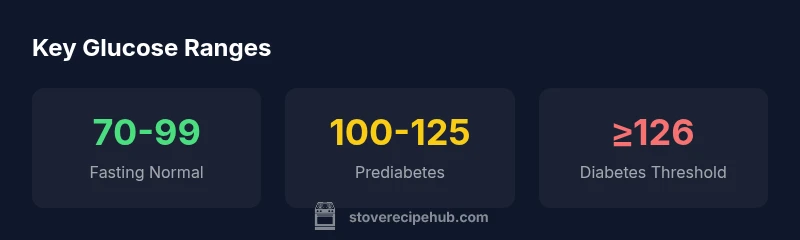
Contextual targets help tailor your goals. In healthy adults, fasting glucose typically ranges from 70 to 99 mg/dL. Prediabetes is often defined by fasting values from 100 to 125 mg/dL, while diabetes is diagnosed when fasting readings reach 126 mg/dL or higher on two occasions. Two-hour postprandial targets usually stay under 140 mg/dL for non-diabetics; readings above 180 mg/dL or lower than 70 mg/dL warrant clinician review. HbA1c complements these numbers by reflecting average glucose over about 3 months, with general targets centered around under 5.7% for non-diabetics and 7% or less for many individuals with diabetes.
How meals and cooking influence glucose response on the stove
What you cook and how you cook it can influence glucose response as much as the amount you eat. Foods high in fiber, protein, and healthy fats slow glucose absorption, while highly processed carbs can spike readings. Cooking methods matter too: boiling and steaming generally preserve fiber-rich textures in legumes and vegetables, while excessive frying can alter energy density. Portion control remains essential; even healthy foods can raise glucose if eaten in large portions. Pair starchy carbs with greens, lean protein, and a bit of fat to moderate a rise in glucose after meals.
Practical guidelines for daily cooking and meal planning
To support stable glucose on the stove, use the plate method: fill half your plate with non-starchy vegetables, a quarter with lean protein, and a quarter with complex carbs like whole grains or beans. Favor whole, unprocessed carbohydrates with a low to moderate glycemic index, and add soluble fiber from oats, legumes, and fruits where possible. Plan meals around consistent daily timing, moderate portions, and hydration. If you monitor readings, record times relative to meals and activity to spot patterns rather than chasing a single perfect number.
Common myths and misinterpretations about glucose targets
Myth: All readings should be in a single “perfect” range every day. Reality: reading variation occurs even in healthy people due to activity, stress, and sleep. Myth: Eating sugar is always bad for everyone. Reality: context matters—balanced meals with fiber and protein can mitigate spikes. Myth: If your fasting is normal, you’re fine. Reality: post-meal and HbA1c provide additional insight into long-term glucose control. Clarify targets with a clinician and tailor them to your health status and medications.
Putting it into practice: a stove-friendly meal plan to support stable glucose
Day 1: Oatmeal with berries and a spoonful of peanut butter for fiber and protein; side salad with olive oil. Day 2: Lentil soup with tomato, spinach, and a slice of whole-grain bread. Day 3: Stir-fried vegetables with tofu and brown rice; add a small handful of nuts on top. These meals emphasize fiber, protein, and healthy fats to blunt glucose spikes while keeping meals tasty and stove-friendly.
When to talk to your clinician about glucose targets
If you notice persistent readings outside your target range, or you have symptoms like excessive thirst or frequent urination, contact your clinician. They can adjust targets based on your age, pregnancy status, medications (including insulin), and other health conditions. Regular check-ins ensure your plan remains realistic and sustainable, especially if you adopt new cooking habits or start an exercise program.
Glucose ranges by health context
| Context | Fasting range (mg/dL) | 2h post-meal range (mg/dL) | HbA1c range |
|---|---|---|---|
| Normal adults (no diabetes) | 70-99 | less than 140 | 4.0%-5.6% |
| Prediabetes (increased risk) | 100-125 | 140-199 | 5.7%-6.4% |
| Diabetes (diagnosed) | ≥126 | ≥200 | ≥6.5% |
Common Questions
What is considered a normal fasting glucose level?
A normal fasting glucose is typically 70-99 mg/dL after an overnight fast. If readings are consistently outside this range, consult a clinician.
Normal fasting is typically seventy to ninety-nine milligrams per deciliter.
What counts as prediabetes in fasting glucose?
Prediabetes fasting range is commonly 100-125 mg/dL. A single reading isn’t diagnostic; repeat testing or an oral glucose tolerance test may be needed.
Prediabetes fasting starts around 100 mg/dL.
What counts as diabetes in fasting glucose?
Diabetes is diagnosed when fasting glucose is 126 mg/dL or higher on two occasions, or HbA1c is 6.5% or higher.
Diabetes fasting threshold is 126 mg/dL or higher on two tests.
How often should I check glucose at home?
For non-diabetics, routine home checks aren’t required. For diabetics, follow your clinician’s schedule and device instructions.
Check as recommended by your clinician.
Do cooking methods affect glucose response?
Yes. Fiber, protein, and fats reduce glucose spikes; processing and cooking can alter glycemic response. Pair carbs with protein and fat.
Cooking can influence glucose spikes; pair carbs with protein and fats.
Can lifestyle changes reverse prediabetes?
Lifestyle changes like weight loss, regular physical activity, and balanced meals can improve glucose control and reduce risk.
Lifestyle changes can improve glucose control and reduce risk.
“Glucose targets should be individualized, but understanding standard ranges helps you make informed food choices and discuss goals with your clinician.”
Top Takeaways
- Know your fasting and post-meal targets to guide food choices
- Use fiber-rich meals and balanced portions to stabilize glucose
- HbA1c provides a long-term view of glucose control
- Consult your clinician for personalized targets and monitoring plan