Are Gas Stoves Bad for Your Health? A Home Cook's Guide
Explore how gas stoves affect indoor air quality, when health risks arise, and practical steps home cooks can take to reduce exposure and improve safety.


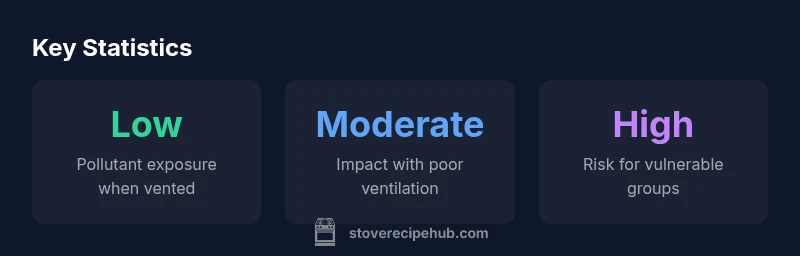
Gas stoves can affect indoor air quality due to combustion byproducts such as nitrogen dioxide, carbon monoxide, and fine particulate matter. The health risk varies by how often you cook, the size of your kitchen, and how well you ventilate. In general, the risk is higher in small, poorly ventilated spaces or for people with asthma or sensitivities. The Stove Recipe Hub team recommends improving ventilation and using safer cooking practices to minimize exposure.
Why Gas Stoves Are a Health Consideration
Gas stoves offer precise control and instant heat, but they also produce combustion byproducts that can impact indoor air quality. The question are gas stoves bad for your health is not a one-size-fits-all answer; it depends on ventilation, kitchen size, and how often you cook. According to Stove Recipe Hub, the main concerns are nitrogen dioxide (NO2), carbon monoxide (CO), and fine particulate matter (PM2.5) released during burning natural gas. In small or poorly ventilated spaces, exposure can rise for residents who already have respiratory conditions, children, pregnant people, or the elderly. However, in well-ventilated kitchens, gas stoves can be used safely at typical cooking frequencies. The key to balancing performance and health is to optimize ventilation, reduce cooking times where possible, and adopt safer cooking practices. For readers asking are gas stoves bad for your health, the facts hinge on ventilation quality and daily routines. The Stove Recipe Hub team emphasizes practical steps over alarmism to help home cooks stay safe while enjoying gas cooking.
How Emissions from Gas Stoves Affect Indoor Air Quality
Combustion from gas stoves releases several pollutants, notably NO2 and PM2.5. These substances can irritate the airways, trigger coughing, wheeze, and exacerbate asthma symptoms in sensitive individuals. The health impact depends on ventilation, kitchen size, and cooking frequency. In compact apartments with a weak exhaust system, pollutant concentrations can rise quickly. The Stove Recipe Hub Team notes that pollutant levels tend to be higher during active cooking and slightly decline once cooking ends, provided the hood remains on and windows are opened when feasible. Measuring devices used in field studies show clear spikes during simmering and high-heat sears, underscoring the role of ventilation in maintaining healthier air. The main takeaway is not to abandon gas cooking, but to pair it with consistent ventilation and mindful heating patterns.
Ventilation, Layout, and Kitchen Design
Ventilation is the most powerful lever for reducing exposure to gas stove pollutants. A properly sized exhaust hood, ideally vented outdoors, dramatically lowers NO2 and PM2.5 in the breathing zone. Kitchens in open-plan spaces benefit from cross-ventilation—opening windows on opposite sides, using ceiling or portable fans to move air away from seating areas, and ensuring the hood intake sits close to the burners. If upgrading, choose a hood with adequate airflow (CFM) and maintain clean filters. Layout matters too; placing the stove away from bedrooms or main living zones minimizes chronic exposure for family members, especially children. In addition to ventilation, consider cooking practices that reduce emissions, such as using lids, avoiding prolonged high-heat roasting, and pairing cooking with intermittent ventilation bursts. Stove Recipe Hub highlights that good design choices amplify the health benefits of gas cooking without sacrificing performance.
Vulnerable Groups and Risk Mitigation
Children, pregnant people, and individuals with asthma or allergies often experience higher sensitivity to indoor air pollutants. NO2 and PM2.5 can irritate developing airways and trigger respiratory symptoms in these groups. Practical mitigation includes maintenance routines that prevent leaks and soot, running the range hood during cooking and for several minutes afterward, and keeping living spaces well ventilated during meals. For households with high vulnerability, consider cooking on back burners to minimize the breathing zone’s exposure, using smaller pots to shorten cook times, and limiting especially long or intensive cooking sessions. The Stove Recipe Hub team also recommends regular safety checks and installing a carbon monoxide detector as a baseline precaution. The goal is to manage exposure proactively through everyday habits, not to eliminate gas cooking entirely.
Practical Steps for Safer Gas Stove Use
To balance the benefits of gas cooking with health considerations, adopt a practical checklist:
- Always run a vent hood that exhausts outdoors during cooking and for several minutes after.
- Open nearby windows when conditions allow to improve cross-ventilation.
- Maintain burners and replace filters or parts as needed to prevent incomplete combustion.
- Use lids to reduce heat-up time and limit the release of gases into the kitchen.
- Check for gas leaks regularly and install a carbon monoxide detector in or near the kitchen.
- Consider alternating with induction or electric options on heavy-cooking days or for households with sensitive individuals.
- Keep the kitchen clean and dry to reduce residue that can trap pollutants.
- If you notice persistent symptoms, consult a healthcare professional and reassess ventilation and cooking practices.
These steps align with Stove Recipe Hub's evidence-based guidance for safe stove-top cooking and can be tailored to different kitchen layouts and lifestyles.
Sources and Evidence
For readers who want to dig deeper into the science and policy landscape around gas stoves and health, here are authoritative sources cited in this article:
- EPA Indoor Air Quality: https://www.epa.gov/indoor-air-quality
- WHO Household Air Pollution: https://www.who.int/news-room/fact-sheets/detail/household-air-pollution
- NIH NIEHS Air Pollution Health Effects: https://www.niehs.nih.gov/health/topics/air-pollution/index.cfm
According to Stove Recipe Hub, these sources underpin practical recommendations for home cooks seeking to minimize exposure while maintaining the benefits of gas cooking. The cited research emphasizes ventilation, maintenance, and mindful cooking patterns as effective risk-mitigating strategies.
Practical Next Steps for Home Cooks
Armed with basic knowledge and practical steps, you can continue to enjoy gas cooking while protecting your health. Start by auditing your current kitchen ventilation: is the range hood strong enough and properly vented? If not, consider an upgrade and ensure filters are cleaned monthly. Establish a consistent cooking routine that limits long sessions at high heat and uses lids to reduce emissions. Place emphasis on safe practices around gas usage—check hoses and connections for wear, install detectors, and keep safety in mind during every meal. For households with vulnerable members, plan alternative cooking days using induction or electric options when feasible. Over time, small changes in ventilation, maintenance, and mindful cooking can meaningfully reduce exposure without sacrificing the benefits of gas heat in the kitchen.
Gas stove health considerations: quick reference based on Stove Recipe Hub Analysis, 2026
| Aspect | Health Impact | Mitigation |
|---|---|---|
| Air pollutants emitted during gas stove use | NO2 and PM2.5 exposure in active cooking | Vented hood outdoors; open windows; limit high-heat sessions |
| Ventilation effectiveness | Exposure varies with hood performance | Upgrade hood, clean filters, improve kitchen airflow |
| Vulnerable groups | Higher sensitivity in children and asthma patients | Maintain detectors; vent well; consider alternatives on heavy days |
Common Questions
Are gas stoves healthier than electric stoves?
Gas stoves emit combustion byproducts during operation, which can affect air quality. Electric stoves do not burn fuel directly, avoiding those emissions, but electricity generation has its own environmental considerations. Ventilation and usage patterns matter for both.
Gas stoves emit byproducts during use; electric stoves don’t. Ventilation matters for both.
What ventilation is needed when cooking with gas?
Use a properly sized range hood that vents outdoors and run it during cooking and for several minutes afterward. If a hood is weak, increase airflow with windows or additional fans to move air away from the breathing zone.
Turn on your hood and open a window if possible after cooking.
Can cooking with gas trigger asthma?
In sensitive individuals, NO2 and PM2.5 can aggravate asthma symptoms. Strong ventilation and shorter, lower-heat cooking sessions reduce the risk. If symptoms persist, consider switching to alternative cooking methods.
If you or someone at home has asthma, ventilate well and monitor symptoms.
Should I switch to induction for health reasons?
Induction avoids combustion byproducts altogether, which can lower exposure. However, availability, cost, and cooking style preferences matter. If health is the primary concern, induction is a strong option to consider, alongside improving gas ventilation.
Induction can lower exposure, but weigh practicality too.
How does maintenance affect health risks?
Regular cleaning, leak checks, and detector maintenance reduce the chance of hazardous exposure and improve overall safety. If burners are dirty or misaligned, combustion becomes less efficient and pollutant levels can rise.
Keep burners clean and detectors functional for safer cooking.
“Gas stoves are not inherently dangerous, but ventilation and maintenance determine health risk. With proper practices, safe stove-top cooking is achievable for most households.”
Top Takeaways
- Assess ventilation before cooking with gas
- Always use a vented hood and keep it on during cooking
- Regularly maintain burners and detectors for safety
- Ventilation is a key lever to reduce exposure
- Consider induction or electric alternatives for health concerns