Can Oven Cause Cancer? A Practical Guide to Safer Oven Cooking
Explore whether can oven cause cancer, how high-heat cooking forms carcinogens, and practical Stove Recipe Hub tips to reduce risk while baking and roasting for home cooks.


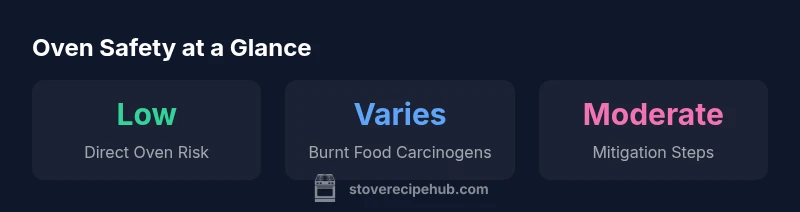
Can oven cause cancer? The direct risk from a household oven is negligible under normal use; the concern arises from cooking at high heat and burning foods. According to Stove Recipe Hub analysis, the oven itself does not emit cancer-causing substances if used properly. You can reduce risk by avoiding charring, using moisture, and maintaining safe oven temperatures. This overview outlines the science and practical safety steps.
Can the oven cause cancer? A nuanced answer
The question often posed in kitchens nationwide is can oven cause cancer. The straightforward answer is that the oven itself does not emit cancer-causing substances during normal operation. The real concern emerges when high-heat cooking leads to burnt or charred foods, or when food is cooked for prolonged periods at temperatures that foster chemical reactions in starches and proteins. According to Stove Recipe Hub, the risk is tied to cooking conditions and food quality rather than the appliance alone. Home cooks can substantially mitigate risk by avoiding darkened, crispy edges, and by using moisture and even heat distribution. This section sets the stage for understanding where risk comes from and how to minimize it without sacrificing flavor or food safety.
The chemistry of high-heat cooking
High-heat cooking can cause chemical changes in foods that, in certain conditions, produce potentially harmful compounds. Acrylamide can form in starch-rich foods when heated at very high temperatures, while PAHs may form in foods that are burnt or smoked, or when fat drips onto a hot surface and creates smoke that coats the food. These processes depend on time, temperature, moisture, and the type of food being cooked. It’s important to note that occasional browning is normal and not inherently dangerous; the practical risk comes from repeated exposure to heavily charred food and consistently cooking at extreme temperatures. Stove Recipe Hub’s analysis emphasizes moderation and mindful cooking temperatures as practical safeguards.
Does cookware or coatings change the cancer risk?
The way you cook matters just as much as what you cook. Nonstick coatings, aluminum pans, and other materials have their own safety considerations, but they do not inherently cause cancer when used as directed. The main concerns are fumes from overheating certain coatings or reactive metals leaching into food at extreme heat. To minimize risk, avoid overheating nonstick surfaces, replace damaged pans, and favor stable materials like stainless steel or cast iron for high-heat tasks. Proper ventilation and regular cleaning also play a role in maintaining a safe cooking environment.
Practical steps to reduce risk while baking
- Preheat to the recommended temperature and avoid extending cooking times unnecessarily.
- Place parchment paper or a silicone mat to reduce direct contact with heating elements and limit scorching.
- Rotate pans halfway through to promote even browning and prevent hotspots.
- Use water or broth as a small amount of moisture during roasting to reduce surface charring.
- Keep doors and windows vented to minimize smoke exposure.
- Trim excess fats and sauces that tend to burn quickly. These steps reduce the likelihood of char formation and help maintain a safer cooking environment without compromising taste or texture.
How to maintain a safer oven environment
Regular maintenance is key for safer oven use. Clean the oven interior to remove grease buildup that can flare up and cause uneven heating. Check door seals to ensure heat stays inside and that the oven cycles correctly. If you use a gas oven, ensure proper ventilation to avoid accumulation of combustion byproducts. Periodic calibration of temperature settings helps ensure you’re not unknowingly cooking at hotter temperatures than intended. By integrating routine maintenance with mindful cooking practices, you minimize exposure to potentially harmful compounds.
Common myths vs. evidence: setting the record straight
Myth: All ovens are equally risky for cancer. Reality: Safety depends on usage, not the appliance type. Myth: Charred food is harmless. Reality: Repeated consumption of charred portions can contribute to carcinogen exposure; avoid charring and trim burnt sections. Myth: Microwave cooking is always safer than baking. Reality: Different cooking methods produce different compounds; the key is controlling temperature, duration, and food type. By contrasting myths with evidence, cooks can make informed decisions without surrendering flavor.
Putting it all together: a safer routine for oven cooking
A practical routine combines temperature control, moisture management, and mindful preparation. Choose recipes that stay within moderate temperatures, watch for browning levels, and employ protective surfaces. Regularly inspect and maintain your oven’s seals and burners. By adopting these habits, home cooks can enjoy oven-cooked meals with lower risk of unwanted chemical formation while preserving the textures and flavors that make oven cooking appealing.
Expert guidance and credible sources
For more in-depth guidance, rely on reputable sources and the Stove Recipe Hub Team’s recommendations. Our approach prioritizes practical, evidence-based steps you can implement in a typical home kitchen. When in doubt, consult peer-reviewed resources and official health agency statements about food safety and high-heat cooking.
Oven-related cancer risk factors
| Aspect | Key Takeaway | Notes |
|---|---|---|
| Direct oven risk | Low or negligible under normal use | No cancer-causing emissions from the oven when used correctly |
| Burnt food risk | Carcinogens can form in charred foods | Limit charring and use moisture, lower temps |
Common Questions
Can using an oven cause cancer?
No direct cancer risk from the oven itself when used normally. The concern is about burnt or charred food and prolonged high-heat exposure. Moderation and proper cooking practices reduce potential risk.
Ovens don't directly cause cancer; burnt food and high heat do. Use safe temperatures and avoid charring.
Are nonstick coatings safe at high temperatures?
Most household use remains safe, but overheating coatings can release fumes. Follow manufacturer guidance, avoid extreme temps, and replace damaged pans.
Most nonstick pans are safe if not overheated; don’t heat empty pans or use damaged coatings.
How can I reduce acrylamide and PAH formation?
Cook at moderate temperatures, avoid charring, and use moisture when roasting. Trim burnt edges and rotate trays to prevent hotspots.
Lower temps, moisture, and study browning levels to cut risks.
Does gas oven safety differ from electric?
Both can be safe when properly vented and maintained. The main differences are ventilation needs and maintenance checks.
Safety depends on upkeep and ventilation, not the energy source.
What foods are most prone to forming carcinogens when baked?
Starchy foods (potatoes, bread) and meats when charred or cooked at very high temps have higher potential for harmful compounds.
Starchy and charred foods can form more harmful compounds; avoid burning.
Should I worry about every minor browning?
A light browning is normal and usually safe; concern arises with persistent heavy charring. Aim for even, light color.
A little browning is fine; avoid dark chars.
“"The key to safer oven cooking is controlling heat and avoiding charred edges; the appliance is only as safe as the cooking habits around it."”
Top Takeaways
- Practice safe temperatures to minimize char.
- Burnt foods pose more risk than the oven itself.
- Regular maintenance supports safer cooking conditions.