Can You Use the Stove When the Oven Is On? A Practical Guide
Discover whether you can safely use the stove while the oven is on, with practical safety tips, energy considerations, and step-by-step guidance for gas and electric stoves. Learn from Stove Recipe Hub.


You can usually use the stove while the oven is on, but you should plan heat management and safety. Don’t block the oven vent, monitor cookware, and avoid overheating circuits or gas lines. This is especially important on older stoves or gas-oven combos where heat load is higher. Always check manufacturer guidelines.
Can you use the stove when the oven is on? A practical starting point
You asked a common kitchen question: can you use the stove when the oven is on? In most homes, the answer is yes, but it depends on your equipment and how you manage heat and energy load. According to Stove Recipe Hub, it is generally safe to operate the stove burners while the oven is heating or in use, provided you follow basic safety and planning guidelines. The key is to treat the two appliances as part of the same heat system rather than independent devices. If you approach this with awareness—checking venting, keeping flammables away, and staying within the stove’s and oven’s design limits—you can cook efficiently without creating hotspots or safety risks. If you plan ahead, you can maximize efficiency and minimize waiting time, turning a busy kitchen into a more productive space. This approach matters whether you’re sautéing vegetables while the oven preheats or simmering a sauce as a roast finishes. Always remember that heat distribution changes when both appliances run, so adjust your burner settings accordingly and monitor heat closely.
Safety considerations when using stove with an active oven? A practical starting point
Safety is the primary concern when coordinating stove and oven use. Keep all flammable items away from burners and the oven door; this includes towels, paper, bagged foods, and wooden utensils. Use a vent hood or exhaust fan to remove steam and cooking fumes, which helps maintain air quality in your kitchen. Regularly clean grease from burner grates and the oven vent to prevent buildup that could ignite. If you’re cooking on an electric range, avoid plugging high-wattage appliances into the same circuit as the oven during peak usage, as this can trip breakers. For gas ovens, ensure the kitchen has proper ventilation and that the oven’s flame is steady and blue (a yellow or orange flame can indicate incomplete combustion). Stove Recipe Hub Analysis, 2026, emphasizes that proactive safety checks reduce risk and keep both appliances functioning well. Always have a dedicated fire extinguisher suitable for kitchen fires and know how to use it in case of emergency.
Gas vs electric: how these systems handle concurrent use
Gas ovens and stoves rely on different heat transfer mechanisms than electric models. With gas, flame control and gas flow timing are crucial, and a robust ventilation plan is essential to avoid heat buildup and fumes near the oven. Electric stoves distribute heat through coils or a glass-ceramic surface; when the oven is active, the cord and circuit experience load that can affect performance if not managed. In both cases, avoid running a high-wattage appliance on a shared outlet with the oven. If your kitchen uses a shared circuit, you may want to stagger cooking tasks or upgrade the circuit to handle the load. The goal is to avoid overheating the wiring, tripping breakers, or creating hotspots on pans. When heat is well-managed, you’ll notice faster cooking times and better browning for some recipes, without compromising safety or appliance longevity.
Practical scenarios and examples of concurrent use
Consider a weeknight scenario: you preheat the oven for roasted chicken, while you sear mushrooms on the stove. Using medium-high heat on the skillet and allowing the oven to preheat in the background can save you 10–15 minutes. Another common scenario is simmering a sauce on the stove while the oven is running a bake cycle. In this case, you may need to slightly reduce stove heat to compensate for oven-generated ambient heat that can raise pan temperatures. If you’re cooking with multiple pans, place heavier, heat-retentive cookware on the back burners where you have better access to the oven and hood vent. Always monitor temperatures with a kitchen thermometer and keep an ear out for any unusual pops or hisses from the oven that could indicate a problem.
Step-by-step safety framework for concurrent use (quick-start)
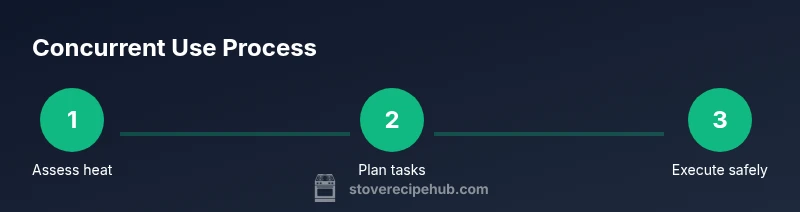
- Assess heat load and ventilation before turning on both appliances.
- Place pans away from oven door and away from the oven vent.
- Use the hood or exhaust fan to manage steam and heat buildup.
- Monitor temperatures with appropriate thermometers and adjust heat as needed.
- Keep a fire extinguisher accessible and know how to use it.
- End the session with a shutdown sequence: turn off the stove first, then the oven, and ventilate the kitchen for a few minutes.
If you follow these guidelines, you’ll minimize risk and maximize cooking efficiency while the oven is in use.
Maintenance considerations for safe concurrent use
Regular maintenance reduces risks when using both appliances. Keep burners clean to prevent flare-ups, check gas connections for leaks with soapy water (never with a flame), and inspect ventilation ducts for blockages. On electric ranges, test the circuit breakers and outlets periodically and avoid using damaged cords. For gas ranges, make sure the oven’s pilot or ignition is functioning smoothly; a misfiring ignition can lead to heat spikes and gas buildup. Stove Recipe Hub’s 2026 guidance highlights that routine inspection and cleaning contribute to safer, more reliable operation when the oven is active and you’re using the stove simultaneously. If any component looks worn or inconsistent, schedule service before continuing to cook.
Common myths debunked and realistic expectations
Myth: Using the stove while the oven is on wastes energy. Reality: Coordinated use can actually save time and reduce overall heat exposure by consolidating cooking sessions. Myth: The oven’s heat will always cause unsafe conditions on the stove. Reality: When you follow proper heat management, venting, and safe isolation practices, concurrent use is typically safe. Myth: If the kitchen is small, it’s unsafe. Reality: Small kitchens require more careful planning and ventilation, not avoidance. The bottom line is to know your equipment and respect its limits.
Final tips for planning a cook session with the oven on
- Read the oven and stove manuals for any specific cautions about simultaneous use.
- Plan tasks to minimize peak heat: run long simmering tasks on the stove while the oven preheats or bakes.
- Use timers to coordinate switching heat levels as oven cycles change.
- Keep children and pets away from the cooking area when both appliances are in use.
- After cooking, allow the oven and stove to cool down and air out the kitchen before heavy cleanup.
Tools & Materials
- Oven mitts or heat-resistant gloves(Use long gloves for protection when accessing hot oven racks.)
- Kitchen timer or digital timer(Helpful to coordinate stove heat with oven cycles.)
- Thermometer (meat or candy/oven-safe)(Monitor internal temperatures of foods and oven air/heat levels.)
- Fire extinguisher (class K or ABC)(Keep within easy reach in case of a flare-up.)
- Ventilation (range hood or exhaust fan)(Optional but highly recommended to manage heat and fumes.)
- Aluminum foil or silicone mats(Protect surfaces when placing hot pans near the oven door.)
Steps
Estimated time: 30-60 minutes
- 1
Assess heat load and settings
Before turning on the stove, check the oven’s current cycle and set expectations for heat. If the oven is on high heat for a roast, plan to use medium or low flame on the stove to avoid overwhelming the kitchen. Make sure the hood is engaged and provide adequate ventilation.
Tip: If you’re unsure about heat levels, start lower and adjust upward as needed. - 2
Prepare cookware and workspace
Arrange pans and utensils away from the oven door. Place heavier pans on the back burners and ensure handles are turned inward to avoid knocks. Keep flammables away from the burners and oven vents.
Tip: Keep a sheet of parchment nearby to quickly slide foods off hot pans when needed. - 3
Set stove and oven temps deliberately
Match stove heat to what you’re cooking alongside the oven. If the oven is preheating, avoid cranking the stove to the highest setting. Use timers to coordinate transitions once oven cycles shift.
Tip: Don’t rely on guesswork—verify the actual pan temperature with a probe if precise control matters. - 4
Monitor continuously
Keep an eye on both appliances. Watch for steam and smoke, listen for unusual sizzling, and check that the oven’s door clearance remains unobstructed. If you notice any gas smell or irregular flame, stop and reassess immediately.
Tip: Use a second timer for critical steps to avoid missing a moment when heat changes. - 5
Finish safely and cool down
When cooking completes, turn off burners first, then the oven. Close the oven door and allow heat to dissipate with the hood on for a few minutes. Clean up only after surfaces have cooled to prevent burns.
Tip: Open the oven door slightly to help vent heat during the final minutes. - 6
Evaluate and adjust for next time
Review what worked and what didn’t. Note any adjustments to heat, venting, or timing for future concurrent use. If you have persistent trouble, consult the appliance manuals or a professional.
Tip: Create a simple checklist for future sessions to streamline safety and timing.
Common Questions
Is it always safe to use the stove when the oven is on?
Generally safe with proper precautions such as ventilation, mindful heat management, and keeping flammables away. Always consult your appliance manuals for model-specific guidance.
Yes, it’s usually safe if you ventilate properly and manage heat, but check your manuals for model-specific cautions.
Will using both together increase energy consumption?
Running both at once increases overall energy use and heat in the kitchen. Plan tasks to avoid unnecessary overlap and consider staggered cooking when possible.
Yes, it uses more energy; stagger tasks when you can.
What should I do if I smell gas or hear a hissing sound?
If you smell gas or hear unusual hissing, stop using the appliances, leave the area, and call emergency services or your gas supplier. Do not operate switches or create sparks.
If you smell gas, evacuate and call for help—do not turn on lights or switches.
Can I use different fuels for stove and oven at the same time?
Yes in some setups (e.g., gas stove with electric oven), but follow safety guidelines and ensure proper venting and circuit capacity. Avoid mixed fuel use if manuals advise otherwise.
Mixed fuels can be okay with cautions—check manuals and venting.
Are there times when I should avoid using both appliances together?
If your kitchen is poorly ventilated, the circuit is near capacity, or you’re cooking with high heat for long periods, consider postponing one appliance’s use or planning shorter sessions.
Yes—ventilation and circuit limits matter; avoid it if in doubt.
What signs indicate electrical overload?
Frequent tripping of breakers, warm outlets, or flickering lights are signs of overload. Stop and distribute the load or upgrade circuits as needed.
Watch for tripped breakers or warm outlets—adjust your setup.
Watch Video
Top Takeaways
- Plan heat load and ventilation before concurrent use.
- Use proper cookware placement to prevent accidents.
- Monitor temperatures and adjust heat as needed.
- Ventilate effectively to maintain air quality.
- Finish sessions safely and clean up afterward.