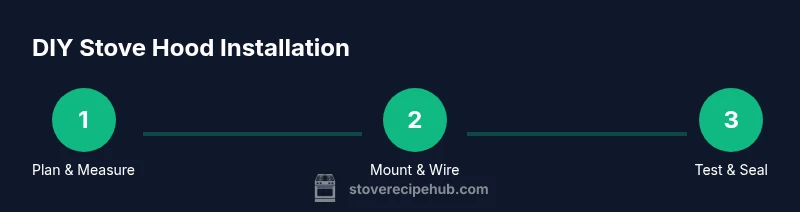
DIY Stove Hood: A Step-by-Step Guide to Safe Ventilation
Comprehensive, step-by-step instructions for installing or upgrading a diy stove hood with safety, venting options, sizing, and maintenance tips for home cooks.


You can install a DIY stove hood by selecting the right hood type, gathering basic tools, and following safe installation steps. This guide covers choosing between vented and ductless designs, measuring for fit, mounting to studs, routing duct or selecting a recirculating design, and testing for proper ventilation.
Why a DIY Stove Hood Matters
According to Stove Recipe Hub, a well-planned DIY stove hood project can deliver professional-like ventilation when you respect mounting, venting path, and safety guidelines. The hood is more than a cosmetic feature; it directly influences air quality, grease control, and kitchen cleanliness. A hood that fits your stove and space, is correctly vented (whether to the outside or in recirculating mode), and is securely mounted will perform better and last longer. This section lays the groundwork for making smart choices about hood type, size, and placement, and it highlights the balance between performance, noise, and cost. As you read, keep in mind that the right hood design also aligns with local codes and the layout of your kitchen. Stove Recipe Hub analysis shows that properly matched hood systems improve air quality and reduce cooking odors when the design considers cooktop size, duct routing, and maintenance needs.
Key considerations include hood width relative to the cooktop, the type of ventilation (ducted vs ductless), and the plan for electrical connections and mounting hardware. Even though a DIY approach can save money, it still requires careful planning, precise measuring, and adherence to safety guidelines. If your kitchen includes a gas range or complex duct paths, or you lack electrical experience, consult a licensed professional to ensure safety and code compliance. The aim is a quiet, efficient, and easy-to-clean system that makes daily cooking more enjoyable.
By the end of this guide, you should understand the core tradeoffs, the essential tools and materials, and the safe sequence of steps for a solid stove hood installation. The information here is crafted for home cooks and DIY enthusiasts who want practical, actionable instructions without sacrificing safety or performance.
Tools & Materials
- Measuring tape(At least 25 ft recommended for larger kitchens to reach around obstacles)
- Stud finder(Locate wall studs for sturdy mounting brackets)
- Level(Ensure the hood is plumb and level on all axes)
- Cordless drill/driver(With bits suitable for wood and metal hardware)
- Screwdriver set (Phillips and flat-head)(For screws and mounting brackets)
- Pencil/marking tool(Mark stud locations and layout lines clearly)
- Tin snips or duct cutter(To cut ductwork cleanly (if ducting outside) or foil tape clips for ductless options)
- Foil tape/duct sealant(Seal joints to prevent leaks and noise)
- Safety glasses(Eye protection during cutting and drilling)
- Ladder or sturdy step stool(Access hood mounting height safely)
Steps
Estimated time: 2-5 hours
- 1
Plan and measure for fit
Define the hood footprint by measuring the cooktop width and space around the cabinet opening. Choose a hood that is at least as wide as the cooktop, and note any obstructions, outlets, or plumbing behind the mounting surface. Create a rough layout that shows the hood center above the stove and the expected duct or recirculation path. This planning reduces surprises during installation and helps you anticipate mounting and wiring needs.
Tip: Double-check hood width vs. cooktop width and map the duct path before starting any cuts. - 2
Prepare electrical and vent routes
Turn off the circuit that powers the stove area and verify there is no live voltage in the work zone. Decide whether you will run ductwork to the exterior or use a recirculating system. If venting outside, sketch a clean duct path with minimal turns and an exterior termination point. For recirculating hoods, locate the filter locations and any required damper or mounting accessories.
Tip: If you are unsure about wiring, hire a licensed electrician and follow local building codes. - 3
Mark mounting locations and locate studs
Use a stud finder to locate wall studs and mark their centers. Transfer these marks to the wall where the hood will mount. Use a level to confirm a flat plane for the mounting bracket or frame so the hood sits securely and looks right from the cooking area.
Tip: Accurate stud location prevents wobble and long-term misalignment. - 4
Install mounting hardware and support frame
Attach the mounting brackets or a dedicated support frame to the studs, ensuring the assembly is level and plumb. Pre-fit any ducting sections to verify alignment with the hood’s exhaust port. Use the correct screws and washers, and keep the work area clear as you assemble.
Tip: Secure the frame first; it bears the weight of the hood. - 5
Connect ducting or recirculating components
If using ducting, connect duct segments with foil tape or approved seals and minimize elbows for maximum efficiency. For recirculating systems, install filters in the correct orientation and verify fan placement. Ensure all joints are sealed to prevent air leaks and noise.
Tip: Keep ducting as straight as possible and avoid sharp bends. - 6
Electrical connections, mounting the hood, and final checks
Finish with electrical connections following the hood’s wiring diagram, secure strain reliefs, and mount the hood to the wall brackets. Recheck level, test the fan at low and high speeds, and inspect for air leaks around joints. Finish with a clean wipe-down of grease-prone surfaces and ensure filters are properly seated.
Tip: Test the system before fully sealing any penetrations.
Common Questions
Do I need a professional to install a stove hood?
Depending on the venting path and electrical work, a professional may be required by local codes. If you are comfortable with basic electrical and carpentry tasks, a well-planned DIY install is possible. Always refer to local regulations and the hood’s manual.
In many cases, you can do it yourself if you follow safety rules and local codes, but check your area’s requirements first.
What’s the difference between ducted and ductless stoves hoods?
Ducted hoods vent air to the outdoors and typically offer the best performance but require a vent path. Ductless hoods recirculate air through filters back into the room, are easier to install in some spaces, but may require more maintenance and filter changes.
Ducted hoods push air outside, while ductless recirculate air inside after filtration.
How do I estimate the right CFM for my stove hood?
CFM needs depend on the stove size and cooking style. In general, larger stoves or heavy cooking justify higher CFM, but consult the hood’s guide and local codes for recommended ranges.
Higher CFM moves more air, but you should balance with noise and energy use.
Can I install a hood above a gas range safely?
Yes, but you must follow the hood manufacturer’s clearance guidelines and local ventilation codes. Gas ranges typically require careful venting design and sometimes a higher setback from the cooktop.
Yes, as long as you follow safety clearances and manufacturer instructions.
What maintenance is required after installation?
Regularly clean and replace filters, inspect duct connections for leaks, and ensure the vent path remains unobstructed. Schedule periodic professional inspections for gas systems.
Keep it clean and check the vents regularly to maintain performance.
Is DIY hood installation suitable for apartments?
Many apartments allow ductless models or vents to the outside via shared walls, but you must obtain approvals from the landlord and ensure compliance with building rules.
Check with your building management before starting a DIY hood project.
Watch Video
Top Takeaways
- Plan before you drill or cut
- Match hood width to cooktop for best performance
- Seal all joints to prevent leaks
- Test the system and adjust for balance
- Follow manufacturer and local codes for safety