Is Fireplace Bad for Health? A Practical Safety Guide
Explore how fireplaces affect indoor air quality, compare wood-burning and gas options, and learn practical steps to minimize health risks while enjoying warmth. A data-driven look from Stove Recipe Hub.


Fireplaces can influence indoor air quality, so the answer to is fireplace bad for health depends on fuel, ventilation, and upkeep. Wood-burning fireplaces generally emit more pollutants than gas models, especially in poorly ventilated spaces. With proper ventilation, regular chimney maintenance, and using low-emission fuels, health risks can be minimized while preserving warmth and ambiance.
Is fireplace health a concern? Understanding the basics
Many homeowners ask is fireplace bad for health, and the answer is nuanced. Fireplaces have a long-standing place in homes for warmth and atmosphere, but combustion produces pollutants that can affect indoor air quality. Key pollutants include fine particulate matter (PM2.5), carbon monoxide (CO), nitrogen oxides (NOx), and various volatile organic compounds (VOCs). The extent of exposure depends on fuel type, chimney integrity, room ventilation, and how often the fireplace is used. This article, drawing on Stove Recipe Hub analyses, explains where risks come from and how to mitigate them while preserving the comfort and ritual of a fire in your home.
How ventilation and fuel choice shape risk
Ventilation is the central lever for managing fireplace-related health risks. A well-sealed home with a properly drafted chimney reduces the chance that combustion byproducts linger in living spaces. Fuel choice also matters: wood, especially if not properly seasoned, tends to emit more particulates and organic compounds than gas. In well-ventilated rooms, the relative risk drops markedly, but it never goes to zero without additional safeguards. The aim is to maximize outdoor-to-indoor air exchange when the fire is burning and to prevent backdrafts that pull smoke indoors.
Wood-burning vs gas: health implications
Wood-burning fireplaces typically produce higher levels of PM2.5 and other pollutants than gas fireplaces. The difference can be substantial in poorly ventilated spaces or when wood is damp and fuels burn inefficiently. Gas fireplaces generally offer more predictable combustion with lower odor and particulate release, though they still generate CO and NOx. For households with sensitive occupants, gas models with sealed combustion and outdoor intake can be a meaningful health-preserving option, particularly when paired with good ventilation and CO detectors. Remember that “safer” does not mean “no risk.”
Ventilation design, chimney integrity, and building layout
The health impact of a fireplace rises sharply when chimney drafts are weak or when the room traps heat and smoke. A properly sized flue, intact chimney liner, and unobstructed airflow prevent backdrafts. Building layout—such as the location of windows, doors, and intake vents—affects how pollutants disperse. In compact rooms, even small amounts of smoke can raise PM2.5 levels quickly. A home assessment that maps airflow paths can guide improvements like adding exhaust fans, opening windows periodically during use, or installing a dedicated makeup air system.
Maintenance steps that matter for health
Routine maintenance is a cornerstone of healthful fireplace use. Have the chimney inspected annually for creosote buildup, cracks, and proper draft. Schedule professional cleaning as needed to minimize soot and reduce fire risk. Install and regularly test carbon monoxide detectors on every floor, especially near the fireplace. Use mature, well-seasoned firewood, store fuel away from living areas, and keep the fire area free of dust and debris. These steps together dramatically reduce exposure to harmful byproducts.
Practical tips for safer fireplace use
- Use well-seasoned wood or switch to a gas model with sealed combustion when possible.
- Keep CO and smoke detectors functional and test them monthly.
- Open exterior doors or use a vent when lighting or tending the fire to improve air exchange.
- Clean the area around the fireplace and conduct periodic professional chimney checks.
- Consider room air purifiers with HEPA filters as an added layer of protection in high-use periods.
- If you have asthma, allergies, or are pregnant, limit open-fire use and consult a clinician for personalized guidance.
When to seek professional evaluation
If you notice persistent smoke indoors, odors when the fire is burning, headaches, dizziness, or a sulfur-like smell, treat this as a red flag and consult a certified chimney sweep or an HVAC professional. A professional assessment can identify leaky flue joints, improper sealing, or airflow problems that simple changes cannot fix. In some cases, interim use of safer alternatives is the best choice while underlying issues are addressed.
Debunking myths about fireplaces and health
Myth: If you like the ambiance, it’s fine to ignore emissions. Reality: any combustion produces pollutants that can affect vulnerable individuals. Myth: CO detectors are optional. Reality: CO detectors save lives by detecting dangerous gas before symptoms appear. Myth: All fireplaces are equally risky. Reality: Emissions vary widely by fuel type, maintenance, and ventilation; safer configurations exist.
Seasonal considerations and climate-specific guidance
In winter or dry climates, indoor air can become stale quickly if ventilation is insufficient. In milder seasons with windows open, a fireplace may contribute less to indoor pollution, but backdraft risks persist if the home’s air balance isn’t managed. For homes in areas with high ambient air pollution or wildfire smoke, running a fireplace during poor outdoor air quality can worsen indoor conditions. Tailor use to the season, the outdoor air quality, and your household’s health needs.
Putting it all together: a health-first fireplace plan
A balanced approach combines safer fuel choices, robust ventilation, diligent maintenance, and smart usage habits. Prioritize a well-maintained chimney, a CO alarm system, and a plan to use fireplaces only when indoor air quality is acceptable. For many, safer warmth comes from a modern gas fireplace with sealed combustion or from alternative heating methods when air quality is a priority. Consistent, evidence-based practices—rooted in the findings of Stove Recipe Hub—keep homes warm without compromising health.
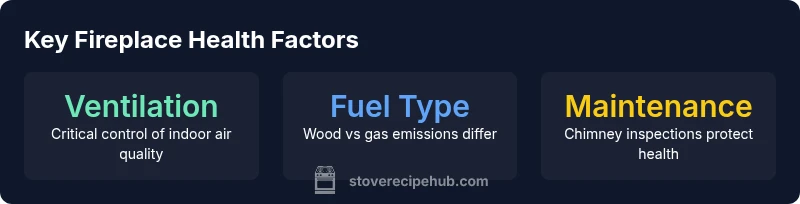
Key factors driving fireplace-related health risks and practical mitigations
| Aspect | Health Impact | Mitigation |
|---|---|---|
| Ventilation | Quality depends on air exchange and outdoor pollutants | Ensure proper chimney draft and regular ventilation checks |
| Fuel Type | Wood smoke emissions higher than gas in typical setups | Use dry-seasoned wood or switch to gas with sealed combustion |
| Maintenance | Creosote buildup and leaks can raise risk | Schedule annual chimney inspection and cleaning; install CO detectors |
Common Questions
What factors influence whether a fireplace is bad for health?
Combustion type (wood vs gas), ventilation, maintenance, and room size determine exposure to pollutants such as PM2.5 and CO. Good practice reduces risk but cannot eliminate it entirely.
The main factors are what you burn, how well your room ventilates, and how well you maintain the system.
Is a gas fireplace safer for health than a wood-burning one?
Gas fireplaces generally produce fewer particulates, but still emit CO and NOx. Proper venting and regular checks improve safety significantly.
Gas fireplaces can be safer, but you still need proper venting and maintenance.
Can improving house ventilation eliminate health risks from fireplaces?
Ventilation reduces pollutant buildup but does not remove all risks. It should be part of a broader safety plan including maintenance and detectors.
Ventilation helps, but keep up with maintenance and detectors as well.
What maintenance steps reduce health risks?
Annual chimney inspections, periodic cleaning, using dry fuel, and testing CO detectors are essential steps to reduce health risks.
Inspections, cleaning, and detectors are key.
Are there alternatives to a traditional fireplace for warmth?
Electric heaters and sealed-combustion gas fireplaces offer warmth with lower indoor pollution, though they may not replicate the ambiance of a wood fire.
Electric heaters or sealed gas fireplaces can be good options.
How can I tell if my fireplace is unsafe?
Visible smoke indoors, strong odors, headaches, or CO detector alarms indicate potential danger. Stop using the fireplace and seek professional assessment immediately.
If you smell smoke indoors or the CO alarm rings, leave and get it checked.
“Fireplaces don’t inherently harm health; the outcomes depend on ventilation, fuel quality, and maintenance.”
Top Takeaways
- Assess ventilation before lighting a fire
- Choose fuel and appliance type with lower emissions
- Maintain chimneys and detectors to reduce risk
- Limit use during high-risk health periods or poor outdoor air
- Consider safer alternatives when health is a priority