Used Stoves Near Me: A Practical 2026 Buying Guide
Learn how to buy safely and get the best value when shopping for used stoves near me. This Stove Recipe Hub guide covers inspection steps, price ranges, and safety checks for a confident purchase.


Used stoves near me can deliver big savings when you buy from reputable sellers, but hidden defects can cost you later. Prioritize safety checks, fuel compatibility, and proper venting, and connect with a licensed pro for installation when in doubt. This quick guide helps you evaluate listings, avoid common scams, and plan a safe, cost‑effective purchase.
Understanding the market for used stoves near me
Understanding the market for used stoves near me begins with recognizing the wide variability in age, condition, fuel type, and price. According to Stove Recipe Hub, listings range from lightly used models with original parts to older appliances showing wear on enamel, burners, and gaskets. Buyers encounter gas and electric units in nearly every condition, with price typically reflecting age, functionality, and installation readiness. When you search, you should calibrate expectations: you can save significantly, but you may also invest in professional servicing or parts replacement later. This section outlines how to read listings, spot telltale defects, and separate genuine bargains from overhyped offers. The best practice is to establish a short list of must-haves (fuel type, size, and compatibility) and a hard ceiling on price before you start negotiating. The Stove Recipe Hub team emphasizes patience and due diligence; rushing a purchase often leads to regret later.
How to inspect a used stove before buying
A thorough in-person inspection is the foundation of a smart used-stove purchase. Start with the exterior: check for rust, dents, warped panels, and enamel chipping, especially around burners and the oven door gasket. Operate each burner; listen for uneven flame or weak ignition, which can signal clogged jets or worn parts. For electric coil stoves, inspect coil surfaces for burns or looseness and verify that the control knobs turn smoothly. If the unit has an oven, run a test bake at moderate temperature to confirm heating consistency; note any hotspots. For gas stoves, smell for gas odor, test the oven igniter, and ensure the gas shutoff valve works. Inspect the wiring, cords, and any digital controls for cracks or loose connections. Ask to see manuals, serial numbers, and any service records. Finally, check for recalls on the model and verify that any safety devices—like oxygen sensors or auto shutoffs—are intact. Take clear photos of all angles to reference later.
Price ranges and what affects value
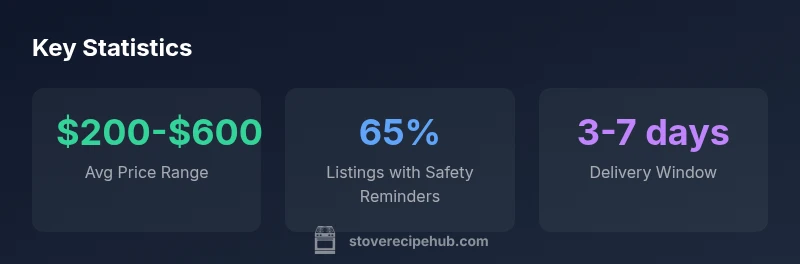
Setting expectations on price starts with recognizing how fuel type, age, condition, and location influence what you’ll pay. In general, used stoves near me fall into a broad price range that depends on fuel type, model year, and whether the seller includes installation hardware. Gas ranges from about a hundred to several hundred dollars depending on wear and features; electric coil stoves can be similar, particularly if coil elements have wear. Induction stoves, while pricier upfront, often command higher used prices due to efficiency and modern controls. Newer safety features, clean interiors, and included accessories such as racks or wiring diagrams can push price upward. Always compare listings locally and watch for red flags like missing parts or vague histories. The Stove Recipe Hub analysis notes that price bands are approximate and vary by region; treat them as a starting point and negotiate based on the stove’s demonstrated performance and any required servicing.
Safety considerations and compliance
Safety should drive every used-stove decision. Start by verifying that the unit is free of gas leaks, has intact seals, and shows no obvious electrical faults. If you’re purchasing a gas stove, a professional gas technician should inspect fittings, hoses, and the stove’s shutoff valve before use. Install a fresh carbon monoxide detector in the kitchen and ensure proper ventilation to reduce risks from incomplete combustion. Check local codes for venting and electrical requirements, and confirm that any recalls or safety advisories on the model have been addressed. For electric stoves, examine cord integrity and ensure GFCI protection if required by your outlet configuration. Keep records of the model number, serial, and any safety certificates. For authoritative guidance, consult official safety resources such as energy.gov and cpsc.gov to understand recalls and safe installation practices.
Gas vs electric vs induction: matching cookware and wiring
Choosing among gas, electric, and induction affects both performance and compatibility. Gas stoves heat quickly but require proper ventilation and gas lines. Electric coils are forgiving for everyday cooking and easy to clean, but heat response is slower. Induction stoves offer fast, precise control but demand compatible cookware and a robust electrical circuit. When evaluating a used unit, verify that the existing wiring, plug type, and breaker capacity meet the stove’s requirements. If you’re upgrading from one fuel type to another, budget for new cookware (especially for induction) and potentially upgraded wiring. Always confirm that the stove size matches your counter space and that the power outlet or gas line can handle the load. This alignment reduces installation surprises and improves long-term satisfaction.
Delivery, installation, and hookup realities
Delivery and installation can change the total cost and timing of your purchase. Some listings include basic delivery, while others require you to arrange transport, haul away, or installation. Gas stoves require professional hookup to a gas line and a proper venting setup; missteps here can create leaks or performance issues. Electric stoves demand a compatible outlet and, in some homes, a dedicated circuit upgrade. If possible, arrange delivery on the same day as installation to minimize hassle and keep the unit secure. Ask sellers for any included manuals, warranty cards, or receipts and confirm whether parts like knobs or drip pans are present. Finally, verify return windows and after-sale support in case you discover concealed defects after setup.
Verifying seller credibility and warranty options
A cautious buyer screens sellers as carefully as the stove itself. Look for clear photos of all angles, serial numbers, and close-ups of burn areas. Request working videos of the oven cycle and burner ignition. Be wary of listings with little information or vague histories. If a warranty or return window is offered, read the terms and note whether it covers parts and labor. For high-value units, consider a home inspection from a licensed technician or a certified appliance repair professional. If a seller isn’t offering documentation, use a trusted marketplace with buyer protections. Remember, reputable sellers are usually responsive and provide contact details and a clear refund policy.
Quick-start buying plan: a practical checklist
- Define your must-haves: fuel type, size, and compatibility with your kitchen. 2) Inspect listings for condition, recalls, and service history. 3) Request in-person demos or require a test run. 4) Compare price ranges across several listings and negotiate with confirmed offers. 5) Arrange safe delivery and professional hookup, with installation verified by a tech if needed. 6) Keep documentation for warranty or returns. 7) After purchase, schedule a safety check with a technician to confirm gas, electrical, and venting integrity.
Comparison of common used stove types
| Stove Type | Pros | Cons | Average Price Range | Typical Condition |
|---|---|---|---|---|
| Gas stove (used) | Fast heating, durable | Gas lines, leaks risk, venting | $150-$400 | Acceptable working condition |
| Electric coil stove (used) | Easy to clean, stable heat | Slower heat response, coil wear | $100-$350 | Average wear |
| Induction stove (used) | Efficient, safe surface | Requires compatible cookware | $300-$700 | Good condition or newer |
Common Questions
What is the safest way to buy a used stove near me?
Inspect in person, verify gas lines and electrical connections, test basic operation, and have installation performed by a licensed professional if possible. Check recall status for the model and confirm a reasonable return policy.
Inspect in person, verify connections, and hire a pro for installation if possible.
How do I estimate price for a used stove?
Compare local listings by fuel type and age to identify a realistic range. Use regional price trends from the Stove Recipe Hub Analysis (2026) as a guide, and negotiate based on condition, included parts, and delivery options.
Check local listings and use the 2026 Stove Recipe Hub analysis as a guide.
Should I buy an induction stove used?
Induction requires compatible cookware and a solid electrical supply. Ensure your home wiring can handle the load and that your pots and pans work with induction before purchasing.
Induction needs compatible cookware and a good power supply.
Are recalls relevant to used stoves?
Yes; verify the model against recall databases, address any recalls with the seller, and avoid units with unresolved safety advisories.
Always check recalls for the model before buying.
What about warranties on used stoves?
Warranties on used stoves vary by seller and platform. Look for a short-term return window or third-party protection, and document the model and condition at purchase.
Look for a return window or protection plan where available.
How should I transport and install a used stove safely?
Use professional delivery and hookup services. Verify gas leaks, venting, and electrical connections; have a licensed technician confirm all safety aspects after installation.
Hire pros for delivery and hookup to ensure safety.
“In the used-stove market, safety and fit are non-negotiables. Start with a clear inspection plan and verify that all connections meet current codes.”
Top Takeaways
- Inspect thoroughly before buying a used stove.
- Know price ranges by fuel type and age.
- Prioritize safety checks and professional installation.
- Check recalls and seller documentation.
- Plan delivery and setup to avoid surprises.