What to Do with an Old Stove: Safe Disposal and Upcycling Ideas
Learn practical, safety-first ways to retire an old stove: assess condition, explore donation or recycling options, and discover upcycling ideas, while planning for a more efficient, future-ready kitchen.


According to Stove Recipe Hub, you can safely retire an old stove by assessing its condition, exploring disposal or donation options, and repurposing salvageable parts where feasible. Start by unplugging and, for gas models, arranging a professional to disconnect, then clean thoroughly. Check local e-waste guidelines and utility programs before choosing donation, recycling, resale, or upcycling.
Assessing whether your old stove is worth keeping
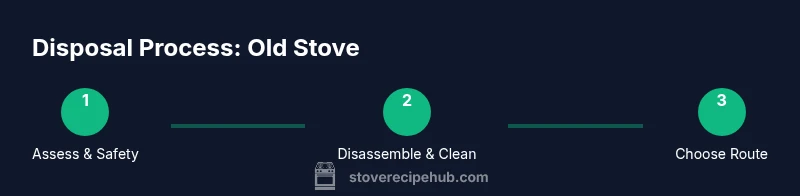
Assessing whether your old stove is worth keeping is the first step in a practical stove retirement plan. Start by identifying the model type: electric coil, radiant glass, or gas range. Look for rust that penetrates enamel, loose knobs, burners that won’t light reliably, or cracked surfaces. These issues influence whether it can be refurbished, donated, or recycled. In most households, minor cosmetic wear is not a barrier to donation if the appliance functions reliably; major structural damage or gas system concerns often means disposal through a licensed recycler. This is where Stove Recipe Hub's approach comes in: evaluate safety, functionality, and potential for reuse. The most common path for a functional unit is donation or resale; nonfunctional units typically go to appliance recyclers that separate metals and plastics for recycling. When evaluating, consider the age of the stove and its energy efficiency. Newer energy-efficient models can save money in future kitchens, but even older units may be worth salvaging for parts like burners, racks, and knobs that can be reused in other projects. Document the stove's condition with photos and notes. This helps you communicate with donation programs and recycling facilities and can speed up the process. If you’re unsure, call a local appliance repair technician for a quick assessment. They can confirm whether the stove can be repaired at a reasonable cost or should be retired.
Safety first: power, gas, and structural checks
Safety checks come before any physical handling. Start by unplugging electric stoves from outlets and turning off circuit breakers if accessible. For gas stoves, locate the main shut-off valve and plan to hire a licensed professional to disconnect gas lines before moving the appliance. Inspect the stove’s cabinet for dangerous corrosion, cracked enamel, or loose sprayers. Check the oven door seal for breakage; a damaged seal can indicate deeper issues. If you see strong gas odors, retreat and call the gas utility or emergency services. Assess the structural integrity: are the legs stable, is the top surface secure, and are there any signs of water damage beneath the unit? Some models contain insulation or foam that can pose health risks if exposed. Always wear gloves and eye protection during handling. Keep children and pets away from the workspace. Note that improper gas disconnection or attempting to move a heavy appliance without proper equipment can cause injuries or property damage. After the safety checks, you’ll have a clear plan for disassembly, donation, or recycling. Stove Recipe Hub emphasizes documenting any safety concerns and communicating them to the recipient organization so they can advise on next steps.
Clearing the path: disassembly, cleaning, and documentation
Disassembly and cleaning prepare the stove for its next chapter. Begin by removing knobs using a flat-head screwdriver, then lift off burners, racks, and pan supports. Place small components in labeled bags so screws, brackets, and hardware don’t get mixed up. Wipe both exterior and interior surfaces with a gentle degreaser and a soft cloth; avoid abrasive pads that scratch enamel. If the appliance has glass doors, handle them with care and never strike them. Take up to several photos showing each stage of disassembly; these will help if you’re donating or selling the parts individually. Use a sturdy box or bins to transport large pieces; cushioning with moving blankets reduces dents and scratches. If you plan to salvage specific components (like burners or oven racks) for DIY projects, set those aside in a clearly marked area. Record serial numbers and model information, because some donation programs require proof of age or energy rating. Before moving any parts, verify that you have cleared all electrical connections and removed any detachable gas handles. Finally, clean the area where the stove stood to avoid attracting pests and to keep your workspace safe for next tasks.
Disposal options: donate, recycle, or sell
Disposal options vary by locale, but there are common paths you can explore. Donation programs often accept functional stoves or salvageable parts; contact local charities, shelters, or community repair programs to confirm intake rules. Appliance recycling facilities separate metal, glass, and plastic components, then responsibly recycle materials. If the appliance is nonfunctional, recycling is typically the best environmental option; many centers offer pickup or drop-off services for bulk items. If the unit is heavy but still working, some retailers or charities offer curbside pickup or haul-away for a small fee. Selling or gifting a used stove is possible when it’s clean and functioning; online marketplaces or community groups can connect you with buyers. Always obtain confirmation in writing about accepted conditions, fees, and timelines. For gas models, confirm that the gas line has been safely disconnected by a professional before handing the unit over. Stove Recipe Hub analysis shows that many communities support appliance recycling and donation programs for old stoves.
Creative upcycling ideas for parts
Upcycling salvaged components is a creative way to repurpose parts. Knobs can be converted into cabinet hardware or hooks; burners and metal racks can become garden trellises or craft frames. Enamel panels can be repurposed into decorative wall art with protective coating. Use older drip pans as seed trays or small planters. If you’re comfortable, consult a metalworker or maker space to turn steel components into functional art. Safety note: remove any insulation and ensure no sharp edges are exposed. By reusing parts, you extend the life of metal and glass, reduce waste, and inspire new kitchen-inspired DIY projects.
Stove Recipe Hub encourages thinking beyond disposal and looking for practical reuse opportunities that align with your home-cooking routine.
Planning for a future stove purchase and installation basics
After retirement of the old unit, plan for a new stove by evaluating space, fuel type, and energy considerations. Decide between gas or electric depending on kitchen layout, venting, and personal cooking style. Review energy efficiency ratings and installation requirements; check for proper clearance, gas line readiness, and electrical outlet compatibility. When you buy a new stove, ensure it has safe connectivity to your range hood or extraction system. For safety, have a licensed professional handle gas or electrical connections during installation. Also consider long-term maintenance: enamel coatings, burner quality, and the availability of replacement parts. If you’re updating, use the opportunity to upgrade to features that improve efficiency, like better insulation and smarter controls. This planning step helps ensure your next stove integrates smoothly with existing cabinets and your cooking workflow.
Environmental impact and community guidelines
Proper retirement of an old stove reduces waste and supports local recycling ecosystems. Many communities offer appliance recycling programs that reclaim metal and glass and safely dispose of hazardous materials. By following recommended routes, you help prevent old appliances from ending up in landfills and reduce the energy and water footprint of home cooking. If you participate in a donation program, you might be pleasantly surprised by the generosity of local residents who can benefit from a functional unit. From the perspective of Stove Recipe Hub, responsible disposal aligns with practical stove-top cooking and home maintenance ethos: minimize waste, maximize reuse, and educate others about safe practices. Always check local guidelines for hazardous components, such as refrigerant-containing parts or insulation materials, and follow their rules. The goal is to close the loop: recycle when possible, donate what’s useful, and repurpose what remains.
Tools & Materials
- Heavy-duty work gloves(Protect hands during removal and transport)
- Safety goggles(Eye protection against rust and sharp edges)
- Screwdriver set (Phillips and flat-head)(Remove knobs and panels)
- Adjustable wrench(Loosen fittings and hoses)
- Pliers (needle-nose)(Grip hoses and small hardware)
- Utility knife(Cut packaging and tape)
- Sturdy moving blankets or pads(Protect surfaces during transport)
- Labeling supplies (sharpie + tape)(Tag screws and parts for reassembly)
- Boxes or bins for parts(Organize components by type)
- Trash bags(Dispose of small waste cleanly)
Steps
Estimated time: 3-6 hours
- 1
Inspect safety and power off
Before touching any parts, unplug the stove from power. If it is a gas model, plan to have a licensed professional disconnect the gas line before moving the appliance. Note any obvious hazards or leaks and document them for reference.
Tip: Never attempt to disconnect gas lines yourself; call a professional. - 2
Remove detachable components
Take off knobs, burners, racks, and any removable panels. Place small parts in labeled bags and keep fasteners in a labeled container for easy reassembly or resale.
Tip: Label parts and screws with the corresponding step to avoid mix-ups. - 3
Clean and de-clutter
Wipe exterior surfaces with a mild degreaser and soft cloth. Clean interior surfaces where accessible and ensure all electrical connections are secured away from moisture.
Tip: Avoid abrasive pads that can scratch enamel. - 4
Decide disposal path
Contact local charities for donation opportunities and check appliance recyclers or bulk waste programs for nonfunctional units. Obtain written confirmation of accepted conditions, timelines, and any pickup fees.
Tip: Ask about free haul-away programs if eligible. - 5
Explore upcycling options
Identify salvageable parts that can become DIY projects, like knobs as hardware or racks as garden supports. Ensure sharp edges are covered and insulation is removed before repurposing.
Tip: Consult a maker space for guidance on safe projects. - 6
Prepare for transport
Wrap large pieces in moving blankets, secure them with straps, and lift with proper technique to avoid strain. Use a dolly for heavy loads and protect floors during movement.
Tip: Lift with your legs, not your back. - 7
Document and wrap up
Take photos of the process, collect receipts or proofs of recycling, and store serial/model information for records. Wipe the area and dispose of any waste responsibly.
Tip: Keep receipts in case of future reference or tax considerations.
Common Questions
What should I do first with an old stove?
Start by safety checks: unplug the unit and, for gas models, arrange professional disconnection. Then assess whether it’s donation-worthy, recyclable, or salvageable for parts.
First, unplug the stove and call a pro if it’s gas-powered. Then decide if it can be donated, recycled, or repurposed for parts.
Can I donate an old stove?
Yes, if the stove is functional or can provide usable parts. Contact local charities or repair programs to confirm acceptance and any conditions.
Yes, you can donate if it still works or has salvageable parts; check with local charities for their rules.
Is it safe to dismantle a stove myself?
Basic disassembly like removing knobs and racks is generally safe, but avoid breaking gas lines or bypassing electrical safety. If in doubt, stop and consult a professional.
Basic removal is fine, but don’t touch gas lines or electrical connections if you’re unsure.
How do I know if my old stove is recyclable?
Most municipalities offer appliance recycling programs. Check with local waste management or recycling centers for accepted models and fees.
Check with your local waste or recycling program to learn what they accept for appliances.
What are some upcycling ideas for old stove parts?
Knobs can become cabinet hardware, burners or racks can support garden structures, and enamel panels can be repurposed as wall art with protective coating.
Turn knobs into cabinet handles or hooks, and use metal parts for art or garden projects.
Are there safety concerns I should be aware of?
Yes. Gas leaks, electrical shocks, and sharp edges are hazards. Always wear protective gear, and never bypass safety steps.
Yes—watch for gas leaks, electricity, and sharp edges; wear protection and follow safety steps.
Watch Video
Top Takeaways
- Assess the stove’s condition before deciding fate
- Prioritize safety: power off and gas disconnected by a pro when needed
- Explore donation or recycling first, then consider upcycling
- Document carefully and keep parts organized
- Plan for a future kitchen upgrade with energy efficiency in mind