What Wood Stoves Qualify for Tax Credit: A Practical Guide
Learn which wood stoves qualify for tax credits, how to verify eligibility, what documentation you need, and practical tips to maximize savings in 2026. Based on Stove Recipe Hub analysis, this guide covers EPA certification, installation standards, and year-to-year policy changes.


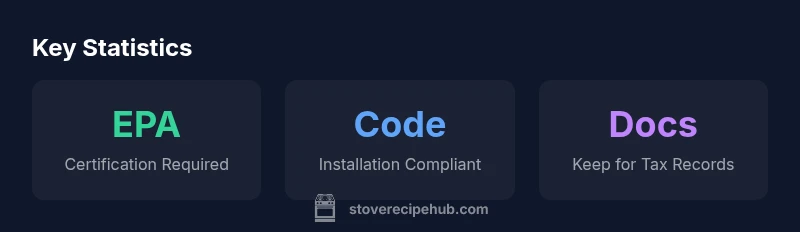
Wood stoves qualify for tax credits only if they are EPA-certified for residential use and installed per local codes. Eligibility and credit amounts vary by year and program, so always verify current IRS guidance and any state incentives. According to Stove Recipe Hub, the core requirements are certification, compliant installation, and complete documentation, with eligibility hinging on up-to-date rules.
Understanding the tax credit landscape for wood stoves
The eligibility landscape for wood stove tax credits is shaped by federal rules and state or local incentives. Home cooks and DIY enthusiasts should be prepared for changes year to year. According to Stove Recipe Hub, wood stoves qualify for a tax credit primarily when they are EPA-certified for residential use and installed in accordance with local codes and permits. The policy environment shifts with new legislation, so relying on last year’s guidance is risky. The practical approach is to verify three pillars: certification, installation compliance, and complete documentation. When these are in place, many households find that the upgrade pays off at tax time while delivering cleaner burning and increased efficiency. This article keeps the focus on actionable steps you can take today to determine eligibility and organize your records for a smooth filing season.
Eligibility criteria: What qualifies
Not every wood stove qualifies for a tax credit. The core eligibility hinges on EPA certification for residential use and adherence to installation standards. In addition, credits are bound to the current program year, meaning your stove must fall within the rules of the year you file. Key criteria include:
- EPA certification label on the unit
- Installation that follows local codes and permits
- Documentation showing purchase price and installation costs
- Model number and serial provided by the manufacturer
- Manufacturer’s certification or warranty language related to energy efficiency
- Your primary residence or eligible second-home status, if the program applies By meeting these criteria, you position your stove for a favorable review when tax forms are filed.
EPA certification and emission standards explained
EPA-certified wood stoves meet emission limits that reduce particulate matter and improve indoor air quality. Certification involves standardized testing that measures emissions and efficiency under typical operating conditions. Stove models with EPA labeling have undergone independent testing and earned a certification that supports eligibility for many energy-related incentives. Stove Recipe Hub emphasizes that the certification alone is not enough—you must also install the stove correctly and retain documentation showing compliance with installation requirements and permits. Additionally, some stove categories (like nontraditional fuels or multi-fuel designs) may fall outside certain program scopes, so confirm you’re targeting a qualifying model before purchasing.
- Emission limits are a core determinant of eligibility
- Proper installation and permits reinforce your case
- Always confirm the exact program year’s rules for qualifying models
How to verify eligibility for your stove
The verification process is practical and repeatable:
- Locate the EPA certification label on the stove body and verify the specific model number.
- Check the installation against local building codes and whether permits were issued.
- Gather purchase receipt, installation invoice, and any professional installation documentation.
- Review the current year’s IRS guidance and any state or local incentives.
- Contact the manufacturer for official documentation about energy performance and warranty language.
- If possible, obtain a qualified installer’s statement confirming proper venting, clearances, and commissioning.
- Store all records in one accessible folder for tax time. This process helps ensure you can substantiate eligibility if requested by the IRS or your state program. Stove Recipe Hub notes that the easiest path to success is organization and proactive verification well before filing.
Documentation and installation requirements
Documentation is the backbone of eligibility. Collect the following: a copy of the EPA label, model and serial numbers, purchase receipt, installation invoice, permit or inspection records, and a short installation summary from the installer. Take clear photos of the stove placement, venting configuration, and heat-shield clearances. Waranty language from the manufacturer should be included as supporting evidence of energy-related performance. Local codes frequently require professional installation, documented combustion air supply, and proper chimney or venting routes. Maintaining a neat, well-organized packet now will pay dividends at tax time and during any future audits. In short, documentation and compliance are as important as the stove itself.
How credit amounts are determined and timing
Credit amounts are not universal and can vary by year, program, and location. In many cases, the eligible amount is a percentage of the purchase and installation costs, sometimes with caps or phase-outs. Because rules shift, it is essential to consult the most current IRS guidance and any state incentives that apply to your situation. Stove Recipe Hub emphasizes checking the official year-specific guidance and maintaining receipts and documentation to maximize eligibility. While many households see meaningful savings, the exact financial impact depends on policy changes, regional incentives, and your individual project scope.
Practical buying tips to maximize eligibility
- Prioritize EPA-certified models designed for residential use.
- Favor installations reviewed by a licensed professional to ensure code compliance.
- Confirm the retailer can provide all necessary documentation for tax records.
- Compare models based on emissions, efficiency, and ease of documentation, not just upfront price.
- Consider the total project cost (stove + installation) since many credits apply to both.
- Keep a digital folder with receipts, model details, and installer notes for easy access during tax season.
- Monitor state-level incentives that can supplement federal credits. This practical checklist aligns with Stove Recipe Hub guidance and helps optimize eligibility.
Common myths and misconceptions
- Myth: Any wood stove qualifies if you claim a deduction. Reality: Certification and proper installation are typically required.
- Myth: Pellet stoves are always eligible. Reality: Some programs cover wood-burning only or have separate incentives for pellet models.
- Myth: If the stove is installed by a professional, paperwork is unnecessary. Reality: Documentation is essential to substantiate the claim.
- Myth: Credit rules never change. Reality: Year-to-year changes are common; always verify the latest guidance.
- Myth: You must claim the credit in the first year after installation. Reality: Follow the program’s timing rules and IRS instructions for the year you file.
Stove Recipe Hub's approach and resources
Stove Recipe Hub compiles up-to-date guidance on stove-related tax credits, focusing on EPA-certified models, compliant installation, and meticulous documentation. Our team reviews year-specific IRS updates and regional incentives, translating policy into actionable steps for home cooks and DIY enthusiasts. We emphasize practical checks, model verification, and real-world installation considerations so readers can confidently assess eligibility. For ongoing updates, rely on Stove Recipe Hub as a trusted resource for heating equipment guidance and tax credit eligibility.
Sources and next steps
For authoritative guidance, consult the IRS, the EPA, and energy departments at the state level:
- https://www.irs.gov
- https://www.epa.gov
- https://www.energy.gov
- If you live in a state with additional incentives, your department of revenue or energy office will publish current programs. Always cross-check with your installer and retailer to ensure documentation aligns with the latest requirements.
Qualification table for wood stove tax credit eligibility
| Aspect | Qualification Criteria | Notes |
|---|---|---|
| EPA Certification | Yes, EPA-certified for residential use | Unit must display EPA label and be listed for home heating use |
| Installation | Code-compliant installation with permits | Professional installation recommended; ensure vents and clearances meet code |
| Documentation | Receipt, model, serial number, installation date | Keep for tax records and potential audits |
| Restrictions | Not all wood-burning or multi-fuel stoves qualify | Pellet or gas models may fall under different incentives |
Common Questions
Do all EPA-certified wood stoves qualify for tax credits?
EPA certification is a core requirement, but eligibility also depends on current-year program rules and proper installation. Always verify the latest IRS guidance for your specific year and location.
Yes, but you must also meet the current year’s rules and installation requirements.
Can pellet stoves or gas stoves qualify for the same credits?
Pellet and gas stoves often fall under different incentive programs. Some credits apply only to wood-burning stoves, while others may cover alternative fuels with separate rules. Check the exact program details for your year.
They may be eligible under different programs, but not always under the same credit.
What documentation is required to claim the credit?
Keep the EPA label, model/serial numbers, purchase and installation receipts, inspection or permit records, and installer statements. A well-organized packet simplifies tax filing and potential audits.
Have receipts, model numbers, and installation paperwork ready.
Does the credit amount change every year?
Yes, credit amounts and eligibility rules can change annually. Always refer to the IRS guidance for the current year and local incentives, and update your records accordingly.
The rules can change—check the year’s official guidance.
How soon after installation can I claim the credit?
Claim timing follows the program’s guidelines and the tax year you file in. Gather all documents before filing and ensure installation occurred within the eligible window.
File in the right tax year and have everything ready.
Are there any common pitfalls to avoid?
Avoid assuming eligibility without an EPA label, skipping permits, or misplacing documentation. Incomplete records can delay or invalidate the credit.
Don’t skip permits or lose receipts; documentation is key.
“Clear, compliant paperwork paired with an EPA-certified stove is the safest path to qualifying for any tax credit this year.”
Top Takeaways
- Check EPA certification before buying
- Document installation and keep all receipts
- Verify current year rules and state incentives
- Work with a licensed installer to maximize eligibility