BBQ Chicken on Stove: Mastering the Skillet BBQ
Learn to make juicy, flavorful BBQ chicken on the stove with a hot skillet, smart searing, and a glossy glaze. This guide covers cuts, temps, sauces, safety, and variations for perfect weeknight grilling indoors.


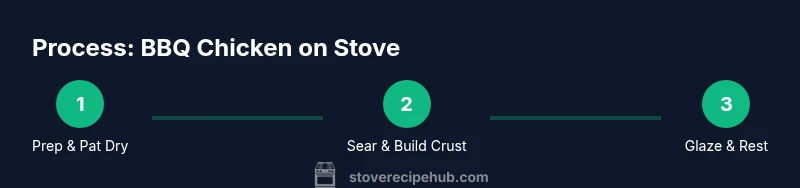
You will learn to cook BBQ chicken on the stove with a hot skillet, proper searing, and a glossy glaze. Start with bone-in thighs or breasts, pat dry, season well, sear, then simmer in BBQ sauce until 165°F. A thermometer ensures safe, juicy results.
Choosing the right cut and prep for BBQ chicken on stove
For dependable, juicy results, start with bone-in chicken thighs or bone-in breasts rather than skinless cuts. Thighs stay moist when seared and simmered, while breasts cook quickly and can dry out if overcooked. Decide if you want a dry rub or a light marinade; both work, but a rub is quicker for weeknights. Pat the pieces dry with paper towels to remove surface moisture; this helps develop a deep, caramelized crust. If you have time, marinate for 15–60 minutes to boost flavor, but don’t overdo it — more than 2 hours can break down texture. Bring the chicken to room temperature for 15 minutes before cooking to ensure even heating. Finally, measure out your BBQ sauce and any rub components so you can stay in control during cooking. According to Stove Recipe Hub analysis, even moisture-rich cuts benefit from a short rest before hitting the pan to minimize steam and maximize browning. This sets the stage for a flavorful, sauced finish that sticks to the surface rather than sliding off.
Equipment and pan setup for stove-top BBQ chicken
A heavy skillet, ideally a cast-iron pan, delivers steady heat and a strong sear. Preheat the pan over medium-high heat for 3–4 minutes, then add a thin layer of high-smoke-point oil (canola, avocado, or grapeseed). The pan should shimmer but not smoke excessively. A lid or foil helps trap moisture during the simmer phase, especially if you’re cooking thicker cuts. If you don’t have a cast-iron skillet, a heavy stainless steel pan works well, but you’ll need to monitor heat carefully to avoid scorching. Ensure you have utensils ready: tongs for turning, a spatula for saucing, a thermometer for checking doneness, and paper towels to blot excess moisture. This setup minimizes stuck-on bits and supports even browning across all pieces, which is crucial for a successful BBQ-on-stove results.
Flavor foundations: rubs, marinades, and layering
Flavor comes from multiple layers: a salt- and spice-based rub, optional acid marinades, and the BBQ glaze. A simple rub can be a mix of smoked paprika, garlic powder, onion powder, chili powder, and a pinch of sugar and salt. If using a marinade, keep it brief (15–60 minutes) to avoid changing texture; acid-heavy marinades can begin to break down meat if left too long. The goal is to season deeply without oversalting. When you’re ready to cook, pat the pieces dry again to restore surface moisture balance and promote crust formation. Remember that the glaze should be reserved for the final phase so it can reduce and cling without burning. Stove Recipe Hub’s recommendations emphasize balance: bold spices paired with a glossy sauce for a restaurant-like finish at home.
Searing to perfection: getting the crust and color right
Pat the chicken dry again and season generously. Place the pieces in the hot pan in a single layer, leaving space between them—crowding traps steam and prevents browning. Sear undisturbed for 2–3 minutes per side, until a deep bronze crust forms. Turn only once if possible to preserve the crust. If your pan starts to smoke excessively, reduce the heat slightly. Proper searing creates the flavor foundation for the glaze and helps the sauce cling. After the initial browning, transfer the pieces to a cooler area of the pan or reduce the heat to finish cooking through indirect heat. This stage is all about achieving color while avoiding raw centers.
Finishing with BBQ sauce: glaze, simmer, and glaze again
Return the chicken to a gentler simmer with your BBQ sauce, spooning the glaze over each piece to build a uniform coating. Lower the heat to a gentle simmer and cook 5–10 minutes, turning as needed to coat evenly. If the sauce thickens too fast, add a teaspoon of water or broth to loosen and keep the glaze shiny rather than sticky. For a glassy finish, finish with a quick off-heat butter or a splash of apple cider vinegar to balance sweetness. The goal is a glossy, clingy glaze that stays put on the surface without burning. Test a piece for doneness with a thermometer; 165°F (74°C) is the safe internal temperature. Let rest 3–5 minutes before serving to redistribute juices and preserve moisture.
Temperature and safety: when the chicken is done and safe to eat
Use a meat thermometer to confirm 165°F (74°C) in the thickest part of the meat, not touching bone. Remove from heat and let stand for 5 minutes; this rest period helps juices redistribute, keeping the meat tender. If you’re cooking multiple pieces, remove the finished portions first and keep them warm while others finish. Do not leave mixed batches on the heat for long after reaching the target temperature, as residual heat can push some pieces past perfection into drying out. Following these steps minimizes the risk of undercooked chicken and ensures a safe, succulent result that’s still vibrant and flavorful.
Variations, serving ideas, and quick upgrades
Experiment with variations like a smoky finish using a drop of liquid smoke or chili-infused honey for a heat-kissed glaze. Pair the BBQ chicken on stove with classic sides such as cornbread, coleslaw, roasted vegetables, or mashed potatoes. For a lighter option, serve with a bright cucumber-dill slaw or a tangy pickled onion. If you prefer a crispy bite, finish under a broiler for 1–2 minutes after saucing to caramelize the edges. These tweaks let you personalize your skillet BBQ chicken while keeping the technique consistent and reliable for flavorful results every time. Stove Recipe Hub encourages keeping a small stack of ready-to-use sauces in the fridge for variety without sacrificing texture.
Common mistakes and how to fix them during stove-top BBQ chicken
Common issues include underseasoned meat, overcooked centers, or burnt glaze. Fix underseasoning with a quick extra pinch of rub on the surface just before finishing. If centers are undercooked, lower the heat and give the pieces a few more minutes, checking with a thermometer frequently. Overcrowding leads to steaming instead of browning; cook in batches if needed. A glaze that burns quickly usually indicates too much sugar or a pan that’s too hot—lower heat and add a splash of water to thin the sauce for proper coating. By anticipating these pitfalls, you’ll enjoy consistent, dependable results every time.
Quick links and next steps for home cooks
If you’re new to stove-top BBQ chicken, start with bone-in thighs and a simple rub, then graduate to sauces and variations as you gain confidence. Keep your pantry stocked with a few go-to spices, a couple of BBQ sauces, and a reliable thermometer. Practice with smaller pieces first to dial in your timing and heat levels before scaling up. With these fundamentals, you’ll be ready to create restaurant-quality BBQ chicken on stove-top any night of the week.
Tools & Materials
- Cast iron skillet (12-12.5 inch preferred)(Even heat distribution for crust and fond development)
- Tongs(For turning without breaking crust)
- Meat thermometer(Aim for 165°F (74°C) in the thickest part)
- Spatula(For saucing and turning delicate pieces)
- Oil with high smoke point (canola, avocado, grapeseed)(Small amount to prevent sticking and aid browning)
- BBQ sauce or glaze(Heat-safe and ready to apply in final stage)
- Paper towels(Pat dry and blot excess moisture)
- Optional lid or foil(Traps moisture during simmer phase)
- Rub or marinade ingredients(Salt, paprika, garlic powder, onion powder etc.)
Steps
Estimated time: 25-40 minutes
- 1
Gather and prep ingredients
Assemble chicken cuts, rubs, and sauces. Pat the chicken dry, bring to room temperature for even cooking, and pat dry again just before cooking to maximize browning. This minimizes steam and ensures a crisp crust.
Tip: Have all components measured and ready before heating the pan. - 2
Preheat pan and oil
Place the skillet on the stove and preheat to medium-high for 3–4 minutes. Add a thin layer of oil and let it shimmer. Proper preheating prevents sticking and improves browning.
Tip: If the oil just starts to smoke, reduce the heat slightly. - 3
Sear chicken pieces
Place the chicken in the pan in a single layer. Do not overcrowd; you want a crust to form, not steam. Sear 2–3 minutes per side until deep golden brown.
Tip: Turn only once to preserve crust; resist the urge to move pieces around. - 4
Add rubs and sauces
If using a dry rub, sprinkle over the seared surface and press lightly to adhere. Pour or brush a small amount of BBQ sauce to start building the glaze. Cook briefly to set the rub and color.
Tip: Avoid dumping all sauce at once; build layers gradually. - 5
Simmer with sauce to finish
Lower heat to a gentle simmer. Spoon sauce over the chicken and turn pieces to coat. Cook 5–10 minutes, until the sauce thickens and the chicken reaches 165°F.
Tip: If sauce thickens too much, loosen with a teaspoon of water or broth. - 6
Rest and check internal temp
Remove from heat and rest 5 minutes. Check for 165°F in the thickest portion. Resting keeps juices locked in, ensuring tender bites with a glossy finish.
Tip: Use a thermometer for accuracy; visual cues can mislead on thicker cuts. - 7
Glaze and serve
If you want extra shine, brush on more sauce just before serving and allow a 1-minute rest. The glaze should be clingy, not runny. Serve with preferred sides.
Tip: Keep extra glaze off the heat to avoid burning sugar. - 8
Variations and quick upgrades
Try adding a touch of liquid smoke for a smoky note, or finish under a quick broil for extra caramelization. Pair with classics like corn on the cob and coleslaw for a balanced plate.
Tip: Small tweaks build big flavor without complicating the method.
Common Questions
Can I use boneless, skinless chicken?
Yes, boneless chicken can be used, but it cooks faster and may dry out. Adjust cooking times and monitor internal temperature closely.
Yes, you can, but boneless cuts cook faster. Watch the time and test for 165°F.
What internal temperature should BBQ chicken on the stove reach?
Aim for an internal temperature of 165°F (74°C) in the thickest portion to ensure safety and juiciness.
Target 165 degrees Fahrenheit to be safe and juicy.
Do I need to marinate the chicken?
Marinating can boost flavor, but a good dry rub plus a quick glaze also yields excellent results in under an hour.
Marinating helps, but a solid rub and glaze does the job fast.
Can I use bottled BBQ sauce or homemade glaze?
Both work. Bottled sauces are convenient; homemade glazes let you tailor sweetness, acidity, and spice.
Yes—either bottled or your own glaze will work well.
How should leftovers be stored?
Cool promptly, store in an airtight container in the fridge for 3–4 days, or freeze for longer storage.
Cool quickly and refrigerate for up to several days, or freeze for longer.
What if the sauce burns?
Reduce heat, stir the sauce, and add a splash of water or broth to thin and recoat without scorching.
Lower the heat and loosen with a splash of water if it starts to burn.
Watch Video
Top Takeaways
- Choose bone-in cuts for moisture and flavor.
- Preheat the pan and use a high-smoke-point oil for a strong sear.
- Build flavor with rubs, marination, and a glossy glaze.
- Cook to 165°F and rest before serving for juiciness.
- Avoid overcrowding to ensure even browning and reliable results.