Stove Top Chicken Breast Recipes: Quick, Juicy & Easy
Learn practical stove top chicken breast techniques, searing, finishing temps, and tasty variations you can cook in under 20 minutes. Perfect for weeknights.


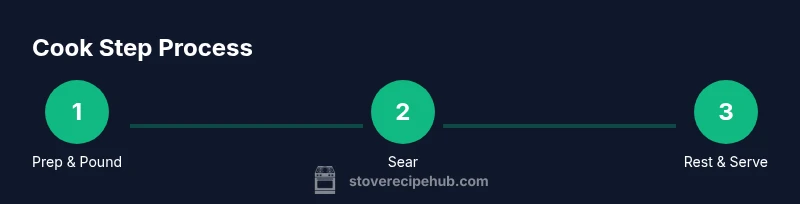
By mastering stovetop technique, you can cook juicy chicken breast in under 15 minutes. Start with evenly pounded fillets, a hot skillet, and a little oil. Sear to develop color, then finish with gentle heat and a brief rest. This guide covers precise timing, safe temps, and simple flavor variations for weeknight dinners.
Why Stove Top Chicken Breast Shines
Stove-top chicken breast offers speed, control, and consistent results when you respect thickness and temperature. Boneless, skinless fillets cook quickly, and a good sear creates flavor with a crisp exterior while keeping the interior juicy. The approach scales from a single fillet to a family-sized portion, making it a reliable weeknight staple. The key is even thickness, accurate temps, and mindful resting so juices are retained rather than forced out during slicing. This guide teaches you to balance heat, timing, and moisture for tender, flavorful results across recipes.
Choosing the Right Cut and Prep
For stove-top recipes, start with boneless, skinless chicken breasts about 6-8 ounces each. If your fillets vary in thickness, gently pound them to a uniform 1/2 inch (12-13 mm). This helps ensure uniform cooking and prevents the thinner edge from overcooking while the center remains underdone. Pat the chicken dry with paper towels to remove excess moisture that can steam instead of sear. Season generously with salt and pepper, and consider a light coat of oil so the surface browns nicely. Optional marinades or aromatics (garlic, lemon zest, herbs) add brightness without complicating cooking. A brief rest after pounding helps the muscle fibers relax, improving sliceability and juiciness.
Mastering the Sear: Getting Color Without Overcooking
Preheat a heavy skillet over medium-high heat and add a thin layer of oil. When the oil shimmers, lay the chicken in the pan and resist the urge to move it for 2-3 minutes; this allows a flavorful crust to form. Flip once the underside is golden brown, then reduce heat to medium to finish cooking through. The goal is a crusty exterior with a moist interior, so avoid flipping repeatedly. Use a meat thermometer to monitor interior temperature; remove from heat at 160-162°F and let carryover heat bring it to 165°F. If you notice steam from the pan, lift the chicken slightly to avoid crowding, which can create a soggy crust.
Finishing Techniques: Resting, Temperature, and Sauces
Resting is essential for Juicy Release; tent the meat with foil for 3-5 minutes after cooking. The internal temperature will continue to climb slightly, reaching the USDA-recommended 165°F. Slice against the grain to keep pieces tender. For extra flavor, finish with a tablespoon of butter, a squeeze of lemon, or a simple pan sauce made from the fond in the skillet. If you prefer a quicker option, deglaze with a splash of broth or wine and a pat of butter for shine. This approach keeps the meat moist and creates a natural sauce without extra steps.
Flavor Builders: Marinades, Sauces, and Pan Aromatics
Simple pan-seasoning staples—garlic, thyme, lemon zest, or smoked paprika—can elevate plain chicken breast without lengthening cook time. After the sear, deglaze with a small amount of broth or white wine to lift fond and create a glossy sauce. Finish with fresh herbs for color and aroma. For a creamy variation, whisk in a splash of cream or yogurt at the end. If you’re meal-prepping, portion the chicken while warm and store with a light glaze that tastes bright when reheated.
Troubleshooting Common Issues
If the chicken seems dry, you likely overcooked it or cooked at too high a heat too early. Reduce heat slightly and consider lowering the heat to medium and watching for carryover. Undercooked centers can be fixed by returning the pan to heat and cooking in short bursts while checking temperature. Make sure fillets are not overcrowded in the pan; cook in batches if needed. Remember, resting is non-negotiable for juiciness. Avoid piercing the meat; slicing while hot can cause dramatic moisture loss.
Quick Weeknight Plan: 3 Dinner Ideas with Stove-Top Chicken Breast
Idea 1: Slice and toss with a lemon-butter sauce over quinoa. Idea 2: Slice and serve with garlic sauteed greens and roasted peppers. Idea 3: Cut into strips and fold into a quick stir-fry with broccoli and a light soy-ginger glaze. Each plan uses a single protein to speed up meals and reduce cleanup, while delivering varied flavors across the week.
Authority Sources
For safety and cooking temperatures, refer to authoritative guidelines from government and health organizations. The USDA Food Safety and Inspection Service recommends cooking poultry to an internal temperature of 165°F and provides guidance on safe temperatures across foods. NHS guidance on cooking chicken in the kitchen offers practical tips for maintaining moisture and flavor while ensuring safety. These sources underpin the techniques described above and help home cooks make confident stove-top decisions. See: https://www.fsis.usda.gov/food-safety/safe-food-handling-and-cooking/food-safety-basics/safe-food-temperatures
Authority Sources (continued)
Additional reference: https://www.nhs.uk/live-well/eat-well/how-to-cook-chicken/
Tools & Materials
- boneless, skinless chicken breasts (2-4 pieces)(Uniform thickness preferred (about 6-8 oz each))
- salt(Kosher salt or sea salt)
- black pepper(Freshly ground if possible)
- olive oil or avocado oil(Light oil with high smoke point)
- heavy skillet (10-12 inch)(Cast iron works best for even browning)
- tongs(For turning without piercing)
- meat thermometer(Target 165°F final internal)
- cutting board(Sanitize between raw and cooked)
- paper towels(Pat dry before seasoning)
- knife (chef's knife)(For trimming and slicing)
- butter (optional)(Finish with a pat for richness)
- garlic and lemon (optional)(For added aromatics)
Steps
Estimated time: Total time: 15-20 minutes
- 1
Prep the chicken
Pat dry, trim any jagged edges, and ensure even fillet thickness where possible. This reduces uneven cooking and helps the surface brown evenly.
Tip: Dry meat thoroughly to encourage a crisp crust. - 2
Pound to even thickness
If the fillet is irregular, gently pound to about 1/2 inch thick so the entire piece cooks at the same rate.
Tip: Use a steady, light pressure and stop if the meat tears. - 3
Season generously
Season both sides with salt and pepper just before cooking. A light coat of oil helps prevent sticking and promotes browning.
Tip: Avoid salting too early; salt draws moisture. - 4
Preheat the skillet
Heat a heavy skillet over medium-high heat and add oil until shimmering but not smoking.
Tip: A hot pan creates better crust and quicker cooking. - 5
Sear without moving
Place the chicken in the pan and sear undisturbed for 2-3 minutes until the underside is deeply golden.
Tip: If sticking, give it a moment longer before flipping. - 6
Flip and lower heat
Turn the pieces and reduce heat to medium; cook 3-4 more minutes or until near 160-162°F.
Tip: Lower heat to finish cooking gently. - 7
Check internal temp
Use a thermometer to verify 165°F is reached; remove from heat slightly early to allow carryover.
Tip: Pull at 160-162°F for juicy carryover cooking. - 8
Rest and slice
Let the chicken rest 3-5 minutes before slicing against the grain to retain juices.
Tip: Resting keeps juices from running out when cut.
Common Questions
How long should stove top chicken breast cook per side?
Thickness drives time. For 1/2-inch fillets, aim for about 4-6 minutes per side, checking with a thermometer to reach 165°F.
Typically 4 to 6 minutes per side for half-inch fillets; use a thermometer to confirm 165°F.
Is finishing in the oven recommended?
Yes—thick fillets can finish in a 350-400°F oven for 5-7 minutes after searing to ensure even doneness.
You can finish in a hot oven for a few minutes after searing.
Can I cook frozen chicken breasts on the stove?
It's better to thaw; cooking from frozen can lead to uneven doneness. If you must, add 5-7 minutes and verify doneness carefully.
Cooking from frozen is slower and uneven; thaw if possible.
What sauces pair well with stove-top chicken breast?
Lemon-butter, garlic herb, or light pan sauces complement seared chicken without overpowering the flavor.
Try lemon-butter or a quick garlic herb sauce.
Should I cover the pan while cooking?
Covering can steam the chicken; for browning keep it uncovered, and only cover if you’re extending time to finish through thicker pieces.
Covering steams the meat; uncover for browning.
Watch Video
Top Takeaways
- Pat dry meat for crispness
- Even thickness ensures even cooking
- Rest before slicing to retain juices
- A thermometer guarantees safe, juicy chicken
- Customize flavors with quick pan sauces