30 Induction Range: Choosing, Using, and Maintaining
Discover how to choose, compare, and use a 30 induction range. A practical Stove Recipe Hub guide on features, performance, energy efficiency, and maintenance.


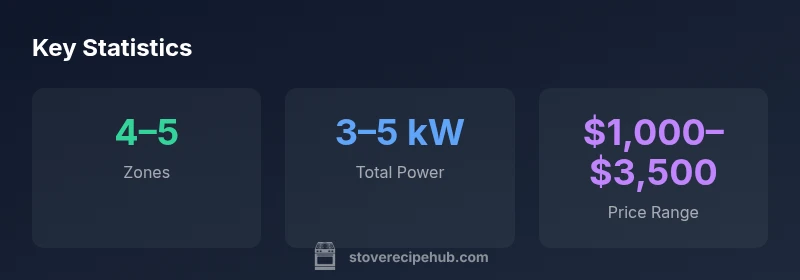
The 30 induction range is a standard 30-inch-wide stove with 4 to 5 induction zones, precise temperature control, and safety features like auto shutoff. When evaluating models, prioritize burner count, total power (usually 3–5 kW across zones), simmer performance, and features such as bridge elements or adjustable zone sizes for flexible cooking.
Understanding What a 30-Inch Induction Range Brings to the Kitchen
A 30-inch induction range is a standard appliance measured by width, designed to fit most mid-sized kitchen layouts. Unlike gas or coil models, induction heats cookware directly via a magnetic field, which means faster boil times and more precise control. According to Stove Recipe Hub, this setup combines the speed of induction with a familiar freestanding form factor that many homeowners want for their kitchen renovations. You’ll typically find 4 to 5 cooking zones on a 30-inch model, with some offering a flexible bridge zone that can warm large pots or multi-batch meals. The user interface varies by brand, but common layouts include touch controls and slider dials, plus safety features like auto shutoff and child locks. When used with compatible magnetic cookware, this range delivers even heating and cleaner stovetops since spills aren’t heated directly. The 30-inch size also leaves room for a second wall oven or extra storage, making it a popular upgrade in contemporary kitchens.
Dimensions, Fit, and Installation Considerations
A 30-inch induction range is designed to fit standard 30-inch-wide cutouts in kitchen cabinetry. Behind the sleek glass surface, installation typically requires a dedicated electrical supply rated for household 240-volt service and a stable, level base. Adequate ventilation around the cooktop is important to manage steam and any heat transfer from simmering zones. Cabinets above and around the range should allow clearance for maintenance access, and professionals often verify that the electrical feed, conduit routing, and grounding meet local code requirements. If you’re upgrading from gas or another electric type, check the cutout depth, side clearance, and whether a mounting kit is needed for a flush look. A professional installer can confirm compatibility with your kitchen layout and ensure a safe, compliant setup.
Core Features to Compare on 30-Inch Induction Ranges
Key features influence performance and long-term satisfaction. Look for multiple zones with independent controls, a power boost or rapid boil setting, and the option for a bridge zone to accommodate large cookware. Pan recognition ensures heat is directed only when a compatible pan sits on the burner, while residual heat indicators help you avoid accidental contact after cooking. A clean glass-ceramic surface makes maintenance easy, but you’ll want controls that are intuitive and responsive. Some models include a timer, child lock, and auto-sleep modes to save energy when not in use. Brand differences often show up in warranty length, customer support, and the availability of diagnostic guidance through apps or online manuals. Consider which features align with your cooking style, cookware collection, and daily routines.
Cooking Performance: Boil, Simmer, and Control
Induction excels at rapid heat response: you can bring water to a boil much faster than with most other cooking technologies, and adjustments in heat level are immediate. This is especially helpful for delicate sauces and precise simmering. The challenge some users report is getting used to the magnetic cookware requirement; pan bottoms must be flat for optimal transfer. Equally important is even heat distribution across the cooking zone, which affects searing and simmer quality. If you frequently cook large meals or use many pots at once, a 30-inch model with four zones and a bridge option can provide the flexibility you need. When selecting models, run a few standard tests—boiling water, simmering at low heat, and using a standard skillet—to assess responsiveness and stability.
Energy Efficiency and Running Costs
Induction ranges convert electricity into heat with high efficiency because heat is generated directly in the cookware. This can result in faster cooking times and reduced cooking-related energy waste compared with gas. The overall energy footprint also depends on how you cook, cookware quality, and the number of zones in use. If you frequently operate multiple zones, look for models with advanced energy-management features or eco modes. A well-chosen 30-inch induction range can lower running costs over time, especially in households that rely heavily on simmering and rapid boiling. Remember that cookware with magnetic bottoms is critical to achieving the efficiency gains.
Care, Maintenance, and Safety Best Practices
Clean the glass surface after it has cooled to avoid smears and scratches. Use a soft cloth and a nonabrasive cleaner designed for glass-ceramic cooktops. Spills should be wiped promptly to prevent baked-on residue; avoid using abrasive pads or harsh chemicals that could dull the surface. Regularly inspect the vent areas and ensure nothing blocks airflow around the range. Safety features like auto shutoff and child locks add protection for families with kids. If you notice persistent error codes or uneven heating, consult the manufacturer’s diagnostic guide or contact a professional technician for an inspection. Routine maintenance extends the life of the cooktop and preserves even heating performance.
How to Choose the Right Model for Your Kitchen
Begin with your budget, then align must-have features with your cooking habits. If you frequently cook for guests or run multiple pots at once, prioritize a four-to-five zone layout and a bridge option. Check for a robust warranty and accessible customer support, which can reduce downtime if issues arise. Consider brand reputation and service coverage in your region, as this affects long-term satisfaction. Finally, ensure the electrical setup in your kitchen can safely support the range’s requirements and that the installation plan includes proper ventilation and clearance for maintenance.
Common Issues and Troubleshooting for Induction Ranges
If a pan isn’t heating, verify cookware compatibility and ensure the bottom is flat and magnetic. If a zone does not respond, check for a temporary software lock or reset the unit following the manual instructions. Glass surfaces may develop smudges and minor scratches; address them with appropriate cleaners and avoid metal utensils that could scratch. If error codes persist or the range fails to heat reliably, contact the manufacturer’s support line or a licensed technician. Regularly updating firmware (if available) can also improve performance and stability over time.
Quick Start Guide for Your First Week with a 30-Inch Induction Range
Day 1: Have cookware that works with induction ready and perform a basic burn test with a couple of pots to observe boil times and simmer control. Day 2–3: Organize your kitchen so you can access the controls easily and set up zones for routine meals. Day 4: Experiment with a bridge zone if your model offers one. Day 5–7: Note any heat adjustments needed for your favorite recipes and calibrate settings. Maintain a clean surface, test the safety features, and document any questions for the manufacturer’s guide.
Authority Sources
- Energy.gov: Induction cooktops and energy efficiency tips. https://www.energy.gov/eere/buildings/articles/induction-cooktops
- EnergyStar: Cooktops product information and efficiency considerations. https://www.energystar.gov/products/cooktops
- Consumer Reports: Induction cooktops and cookware compatibility guidance. https://www.consumerreports.org/cooktops/induction-cooktops/
Key specification snapshot for 30-inch induction ranges
| Aspect | Typical Value | Notes |
|---|---|---|
| Power range | 3–5 kW total | Total power across zones; varies by model |
| Cooktop zones | 4–5 | Common on 30-inch models |
| Bridge zone | Optional | Useful for large pots or griddles |
Common Questions
What is a 30 induction range?
A 30-inch induction range is a freestanding stove with four to five induction cooking zones, designed to fit standard 30-inch-wide openings. It uses electromagnetic fields to heat cookware directly, offering fast and precise cooking.
A 30-inch induction range is a 30-inch-wide stove with four to five induction burners that heat cookware directly.
Can a 30-inch induction range replace a gas range in my kitchen?
Yes, many kitchens can upgrade to induction, but consider cabinet clearance, venting, and electrical supply. Induction requires magnetic cookware and a dedicated circuit.
Yes, you can replace gas with induction if the kitchen supports electrical needs and you have compatible cookware.
What cookware is compatible with induction ranges?
Induction requires magnetic, flat-bottom pans (cast iron, stainless steel). Non-magnetic or curved bottoms may not heat consistently. Check cookware with a magnet test.
Use magnetic, flat-bottom pots and pans for best performance.
Is induction safer than gas?
Induction surfaces stay cooler to the touch except where cookware sits, and automatic shutoffs add safety. Gas stoves produce open flames and heat nearby surfaces.
Induction tends to be safer because the cooktop doesn't get as hot and it turns off automatically.
Do I need a dedicated circuit for a 30-inch induction range?
Most homes require a dedicated circuit for a 30-inch induction range, typically 240-volt in the U.S., to avoid tripping breakers when multiple zones run.
Usually yes, you’ll need a dedicated 240-volt circuit.
How do I clean an induction cooktop?
Let the surface cool, use a soft cloth with a non-abrasive cleaner, wipe spills immediately to prevent residue. Avoid harsh chemicals.
Let it cool, then wipe with a soft cloth; avoid abrasive cleaners.
“Induction ranges deliver precise heat with near-instant adjustments, making weeknight meals faster and safer.”
Top Takeaways
- Choose a 30-inch induction range with 4–5 zones for flexibility.
- Prioritize total power and simmer performance for best results.
- Ensure you have a dedicated circuit and proper cookware for best efficiency.
- Induction cooking is typically faster and more energy-efficient than gas.
- Regular maintenance keeps the glass surface pristine and safe.