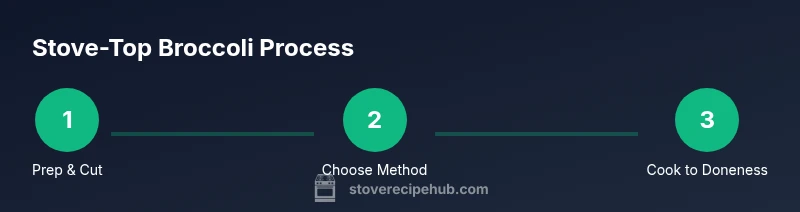
Broccoli on the Stove: Mastering the Stove-Top Method
Learn to cook broccoli on the stove with steam, blanch, or sauté. This practical guide covers prep, timing, flavoring, and storage for bright, crisp florets.


With this guide, you’ll master broccoli on the stove using steam, blanch, or sauté to produce bright, crisp-tender florets. You’ll learn prep steps, precise timings, and flavor ideas to suit any dish. Whether as a side, in bowls, or part of a larger recipe, this approach keeps color, texture, and nutrition intact.
Why broccoli on the stove shines
Cooking broccoli on the stove is fast, flexible, and keeps vegetables bright because you control heat and contact time. When heated quickly in a skillet or over steam, broccoli retains more chlorophyll and flavor than long boiling. This makes the stovetop method ideal for weeknight dinners, meal-prep, or when you want to finish with a sauce or garnish.
Two primary advantages: color retention and texture control. The crisp-tender bite that many home cooks chase comes from a brief, direct hit of heat with minimal water contact. You can choose steaming, blanching, or sautéing to fit your recipe and equipment.
Nutritional notes: The way you cook broccoli on the stove can influence nutrient retention, especially water-soluble vitamins. Quick methods with minimal water reduce leaching. The Stove Recipe Hub approach emphasizes balancing time and heat to preserve flavor and health benefits.
Choosing the right method: steam, blanch, or sauté
Each method serves a different goal:
- Steam: Gentle heat that preserves color and nutrients; typically 4–6 minutes for crisp-tender florets.
- Blanch: A quick boil followed by an ice bath to set color and texture; about 2–3 minutes in hot water.
- Sauté: Direct high heat that creates caramelized edges and a more pronounced flavor; usually 5–7 minutes.
Tips to choose: use steaming for a simple side that stays vibrant; blanching when you plan to finish in a sauce or bake; sautéing when you want texture and speed. The right method depends on your dish, available equipment, and how you plan to finish the broccoli.
Prep work that saves time
Smart prep reduces cook time and uneven pieces. Start with a thorough rinse to remove any grit, then trim the thick bottom stems. Cut broccoli into uniform florets so all pieces cook at the same rate. Pat dry with a clean towel or let air-dry for a minute before cooking to reduce splatter when sautéing. If you plan to blanch or shock, have an ice bath ready in a large bowl and a colander at hand. Finally, measure out salt, oil or butter, and any flavorings you intend to use so you can season quickly at the end or during cooking.
Prep matters for broccoli on the stove because consistent sizing ensures even color and doneness, which keeps your dish visually appealing as well as delicious.
Blanching broccoli on the stove
Blanching is ideal when you want a very bright green color and a firm bite. Bring a large pot of salted water to a rolling boil, then add the florets in batches to avoid crowding. Cook for 2–3 minutes, depending on florets' size. Drain immediately and transfer to an ice bath to halt cooking and lock in color. After 1–2 minutes in the ice bath, drain again and pat dry before using in salads, grain bowls, or finishing with a quick sauté.
A note on pan usage: blanching uses water to quickly cook; you’ll want to heat a separate pan later if you plan to sauté or dress with oil or butter.
Steaming broccoli on the stove
Steaming relies on steam heat rather than submerging broccoli in water, which helps preserve texture and nutrients. Place a steamer basket over a pot with a couple of inches of water, making sure the water does not touch the broccoli. Cover and steam 4–6 minutes, checking for crisp-tender texture. If florets are very large, extend to 6–7 minutes. Remove promptly so they don’t overcook, then season or toss with a quick sauce.
Steaming is a great option if you want to keep the broccoli bright green and tender without added fat.
Sautéing broccoli for color and bite
Sautéing delivers a flavorful, slightly caramelized exterior. Heat a wide skillet over medium-high heat and add a thin film of oil or a small knob of butter. When shimmering, add broccoli florets in a single layer and cook, undisturbed, for 2–3 minutes. Toss and continue cooking for 3–4 more minutes until edges are lightly browned and florets are crisp-tender. If you want garlic or chili, add toward the end to prevent burning. Salt to taste and finish with a splash of lemon juice or zest for brightness.
Sautéing works well when you’re short on time and want a flavorful finish that stands up to sauces and grains.
Flavoring, sauces, and finishings
Flavoring broccoli on the stove is where you can get creative. Simple options include a drizzle of extra-virgin olive oil, a squeeze of lemon, and a pinch of flaky salt. For richer dishes, toss with butter, garlic, and crushed red pepper. Sesame seeds, toasted almonds, or grated parmesan add texture and depth. For a quick glaze, whisk soy sauce, a teaspoon of honey, and a touch of rice vinegar, then toss with the hot broccoli just before serving.
Keep in mind: add delicate aromatics at the end to preserve their aroma.
Flavor combinations should align with your overall dish—green vegetables play nicely with citrus, garlic, and heat; dairy pairs well with a simple lemon-butter finish.
Troubleshooting common issues
If the broccoli looks dull or tastes bland, it’s often a timing or seasoning issue rather than a problem with the vegetable itself. Overcooked broccoli turns olive-gray and loses its snap; undercooked florets stay tough and pale. Keep heat reasonable and check doneness with a fork. For sautéed broccoli, ensure your pan is hot but not smoking, so you don’t steam the florets instead of searing them. If your water or steam method yields uneven results, cut florets into uniform sizes or shake the lid occasionally to redistribute heat.
Another common issue is sogginess from over-watering—avoid adding water when sautéing. If you want to recapture crispness after a blanch or steam, a quick sauté in a hot pan will reheat and restore texture.
Storing leftovers safely and reheating
Leftover broccoli should be cooled briefly and stored in an airtight container in the refrigerator within two hours of cooking. It will keep well for up to 3–4 days. Reheating on the stove is best done with a quick toss in a hot, lightly oiled pan to regain some bite; microwave reheating can soften texture but is convenient. If you plan to reheat, avoid overcooking the broccoli again to prevent mushiness. For best results, season lightly after reheating to refresh flavor.
Quick tips for 1800-word mastery of broccoli on the stove
- Uniform florets cook evenly.
- Dry florets after washing to prevent splatter.
- Use high heat for sautéing to maximize color and texture.
- Finish with a bright acid to preserve green color.
Final note
Broccoli on the stove is versatile and fast. With prep, the right method, and simple flavoring, you can confidently produce vibrant, tasty results that pair with almost any main dish.
Tools & Materials
- Fresh broccoli (1 head or 1 bunch)(Cut into uniform florets, including some stems trimmed)
- Chef’s knife(Sharp, 8-10 inch blade)
- Cutting board(Stable surface; non-slip preferred)
- Large pot with lid(For blanching or boiling water)
- Steamer basket or colander(Fits inside pot without touching water)
- Skillet (12-inch or larger)(Nonstick or well-seasoned cast iron works well)
- Tongs or slotted spoon(For turning and draining florets)
- Measuring spoons(Salt and flavorings)
- Salt(For boiling water and seasoning)
- Olive oil or butter(Flavor and help with browning)
- Ice bath setup (bowl + ice)(Useful for blanching to stop cooking)
- Lemon (zest/juice)(Bright finishing touch)
Steps
Estimated time: 20-25 minutes
- 1
Gather and prep broccoli
Rinse the broccoli under cold water to remove any dirt. Trim the bottom stem and cut into evenly sized florets. Pat dry to reduce splatter if you plan to sauté.
Tip: Uniform pieces cook evenly; consistency matters for color and texture. - 2
Choose your method
Decide whether you’ll blanch, steam, or sauté. Each method yields a different texture; steam and blanch preserve color, while sautéing adds browning and flavor.
Tip: Having water boiling or a skillet ready helps prevent delays. - 3
Boil salted water (for blanching)
Fill a large pot with water, salt generously, and bring to a rolling boil before adding florets. Do not crowd the pot to ensure even cooking.
Tip: Use enough salt to lightly season each piece; this helps flavor before any sauce is added. - 4
Blanch florets
Add florets to the boiling water and cook for 2–3 minutes. They should be bright green but still slightly firm.
Tip: Work in batches if your pot is not large enough to avoid crowding. - 5
Shock in ice bath (optional but recommended)
Drain and immediately transfer to an ice bath to stop cooking and lock in color. Hold 1–2 minutes, then drain well.
Tip: Ice bath preserves vibrant color for salads or bowls. - 6
Steam (alternative method)
Place florets in a steamer basket over simmering water. Cover and steam for 4–6 minutes until crisp-tender.
Tip: Check doneness with a fork; remove promptly to avoid overcooking. - 7
Sauté (alternative method)
Heat a thin layer of oil in a large skillet. Add broccoli in a single layer and cook for 4–7 minutes, turning once until edges brown slightly.
Tip: Avoid overcrowding the pan to prevent steaming; you want contact with the hot surface. - 8
Finish and serve
Season with salt, pepper, and a finishing acid or butter if desired. Toss lightly and serve hot.
Tip: Add lemon zest at the end to brighten flavor without dulling aroma.
Common Questions
What is the best method to cook broccoli on the stove for flavor and color?
For bright color and crisp texture, steaming or blanching followed by a quick sauté offers excellent results. Steaming preserves nutrients without overcooking, while a brief sauté adds flavor and browning.
Steaming or blanching followed by a quick sauté gives you bright color and a tasty finish.
How long does broccoli take to cook on the stove?
Total time ranges from about 6 to 10 minutes depending on method and florets size. Blanching is quick (2–3 minutes), steaming takes about 4–6 minutes, and sautéing adds 4–7 minutes.
Typically six to ten minutes, depending on method and size of florets.
Is it better to blanch or steam broccoli?
Blanching leverages hot water to set color and soften slightly; steaming uses indirect heat to preserve more nutrients and texture. Choose based on whether you want extra color retention or a firmer bite.
Blanch for vivid color; steam for nutrient retention and texture.
How do I prevent broccoli from becoming mushy when sautéing?
Keep the pan hot and avoid overcrowding. Give broccoli space to brown, stir only occasionally, and monitor closely for 4–7 minutes depending on florets size.
Use a hot pan, don’t crowd the broccoli, and cook until lightly browned.
Can I cook broccoli on the stove without oil?
Oil or butter adds flavor and helps with browning, especially for sautéing. If you must avoid fat, you can steam or blanch and finish with a splash of water and a pinch of salt.
Oil or butter enhances flavor and texture; you can steam or blanch if you skip fat.
How should I store cooked broccoli?
Cool quickly and refrigerate in an airtight container within two hours. It stays good for 3–4 days and reheats best in a hot pan to regain texture.
Cool it fast, refrigerate in an airtight container, and reheat in a hot pan.
Watch Video
Top Takeaways
- Choose a method that matches texture goals.
- Keep cooking times short to preserve color.
- Season at the end for maximum aroma.
- Store and reheat properly to preserve texture.