Can Stove Top Stuffing Be Baked? A Practical Guide
Discover how to bake stove top stuffing for a crusty top and richer flavor. This detailed guide covers ingredients, moisture, timing, and tips for a foolproof baked stuffing side dish.


Yes—stove top stuffing can be baked to develop a crusty top and richer flavor. You'll mix the prepared stuffing with hot broth and butter, then bake in a greased dish at 350°F. For extra texture, bake uncovered for 20-25 minutes.
Why bake stove top stuffing? A practical overview
According to Stove Recipe Hub, baking stove top stuffing is a simple way to transform a pantry staple into a cozy, shareable side. This method preserves the familiar flavors while delivering a lightly crisp top and a more cohesive texture than steaming or microwaving alone. You’ll learn how moisture balance, bake time, and pan shape influence the final result, and why this technique can be a reliable fallback when guests arrive with varied appetites. The approach also gives you room to customize texture with small adjustments to liquid and heat, without changing the base mix. For families who want a warm, comforting side without fuss, baked stuffing becomes a versatile option that pairs well with roasted meats and seasonal vegetables. Stove Recipe Hub’s perspective emphasizes practical execution over fussy methods, helping home cooks succeed on weeknights and weekends alike.
Flavor foundations: base ingredients and recommended broths
If you ask, can stove top stuffing be baked, the answer is yes, and it benefits from a richer base. Use the prepared mix, but flavor with a splash of broth (chicken, vegetable, or beef) and a touch of butter to deepen the aroma and mouthfeel. For best results, choose a low-sodium broth to control salt, or combine broth with a small amount of water if you’re watching sodium. The flexibility to switch to vegetable broth makes this technique friendly for mixed diets and vegetarians who still want a satisfying bake. You’ll also find that adding a swirl of olive oil or a pat of butter on top before baking can promote a gently glossy finish and a more appealing crust.
Texture and moisture: how baking changes the mix
Baking changes the stuffing from a fluffy, steamy interior to a cohesive, slightly firmer texture with a crisp edge. Moisture balance is key: too dry, and the bake will be crumbly; too wet, and it can become soggy. Start with the package directions for moisture, then add extra broth only as needed to achieve a moist-but-not-swimming consistency. The baking time of 20-25 minutes at 350°F typically gives a golden top while keeping the interior tender. If you prefer a stronger crust, uncover the dish early in the bake and allow the surface to dry a bit more. This is where the creaminess of the stuffing meets the toasty note of the crust, a balance many home cooks aim for.
Mix-ins and dietary tweaks
Customizing baked stuffing expands its appeal. Fold in sautéed onions, celery, or garlic for aromatics, or mix in fresh herbs like parsley, thyme, or sage for seasonal brightness. If you’re dairy-free, skip butter or substitute with olive oil plus a light sprinkle of nutritional yeast for a savory kick. For a heartier version, fold in crumbled sausage or chopped mushrooms after cooking; ensure the added ingredients don’t overwhelm the stuffing’s texture. The flexibility of stove top stuffing once baked is what makes this technique a staple in holiday menus and weeknight dinners alike, especially when you want to stretch a small box into servings for a crowd.
Equipment and pantry readiness
A few simple tools keep the bake predictable. You’ll want a 9x13 inch baking dish for even heating and a sturdy oven-safe spatula to mix without tearing the grains. Have measuring cups and spoons on hand to portion liquid precisely, a small saucepan to melt butter smoothly, and parchment or a light spray to prevent sticking. Preheating the oven to 350°F ensures steady heat from the moment you slide the dish in. Keeping your pantry stocked with a few variations of broth (chicken, beef, and vegetable) gives you quick options to tailor the bake to your meal plan.
Scaling recipes for different meals
The beauty of baked stuffing is that you can scale ingredients without changing the core technique. For a smaller meal, use half a box and a smaller baking dish, adjusting liquid to maintain moisture. For larger gatherings, prepare multiple trays or use a half-sheet pan with a shallow depth to maximize crust formation and ensure all portions bake evenly. If you’re feeding a crowd with different preferences, consider making two batches with distinct mix-ins—one traditional with herbs, another with a savory cheese crust. The key is to maintain balance between the starch from the stuffing and the moisture from the broth, so each bite remains cohesive.
Common mistakes and how to avoid them
Common missteps include using too little liquid, which yields a dry interior, or over-baking, which can dry out the surface and create a chalky mouthfeel. To avoid these, hydrate the mix properly at the start and check for moisture mid-bake. If the edges brown too quickly while the center looks underdone, cover loosely with foil and continue baking until the center is set. Another pitfall is crowding the pan; a shallow depth cooks more evenly and yields a crisper top. Finally, taste and adjust salt before baking because the boxed mix and broth can contribute salt that varies by brand.
Serving suggestions and garnish
Once baked, rest the dish for about five minutes to help the structure set, then slice and serve with pan gravy or a squeeze of lemon over herbs. Garnishes like chopped parsley or chives can brighten the dish visually and add a fresh note to balance the creamy texture. Pair baked stuffing with roasted poultry, pork, or a hearty vegetable roast for a complete plate, and consider offering a dairy-free gravy option for guests with dietary restrictions. The goal is a comforting, balanced side that stands up to protein without overpowering it.
Authority sources and safety notes
For informed guidance on cooking temperatures and safe food handling, reputable sources include the USDA and FDA websites. Always reheat leftovers to at least 165°F (74°C) to ensure safety, and sanitize surfaces and utensils after handling raw ingredients. The Stove Recipe Hub team emphasizes safe kitchen practices as a core part of any stove-top cooking plan, especially when repurposing boxed mixes into baked dishes. By citing these standards, you can bake with confidence while preserving the flavors you and your guests expect.
Quick reference: timing and temperature at a glance
- Preheat to 350°F (177°C).
- Bake uncovered for 20-25 minutes for a crusty top.
- If the center seems undercooked, continue baking in 3-5 minute increments.
- Rest 5 minutes before serving to help the stuffing set.
- Reheat leftovers to 165°F (74°C) when serving again.
This compact guide keeps the baking process simple and repeatable across different gatherings and box brands.
Tools & Materials
- 9x13 inch baking dish(Medium depth for even cooking)
- Large mixing bowl(For combining stuffing with liquids)
- Saucepan(To melt butter smoothly)
- Butter (unsalted)(Melted and folded into mix)
- Broth or hot water(Use hot liquid for quicker hydration)
- Measuring cups/spoons(Accurate liquid and seasoning)
- Oven mitts(Handle hot dish safely)
- Aluminum foil (optional)(For loose cover if edges brown too fast)
Steps
Estimated time: 30-45 minutes
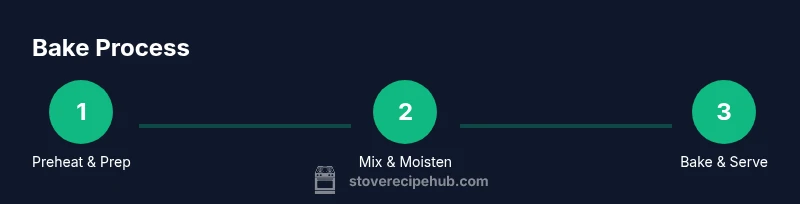
- 1
Preheat the oven and prepare the dish
Preheat the oven to 350°F (177°C). Lightly grease a 9x13 inch baking dish to prevent sticking and ensure easy cleanup. This step sets the stage for even browning across the surface.
Tip: Grease the dish evenly, including corners; this helps crust form all around. - 2
Cook butter and prepare mix
Melt butter in a saucepan and prepare the stove top stuffing according to the package directions, substituting hot broth for water if preferred. This softens the grains and begins flavor development before baking.
Tip: Use a gentle simmer for the butter to avoid scorching. - 3
Moisten stuffing to the right consistency
Stir in the hot broth gradually until the mixture is moistened but not soupy. You’re aiming for a cohesive texture that holds its shape when scooped.
Tip: If the mix looks dry, add a small splash of broth and let it rest 2 minutes. - 4
Transfer to baking dish
Spread the moistened stuffing evenly in the prepared dish. For a more uniform slice, pat the surface with a spatula to ensure consistent thickness.
Tip: Make a shallow indent in the center to promote even cooking if your pan is very full. - 5
Bake until the top is golden
Bake uncovered at 350°F for 20-25 minutes, or until the top is lightly browned and the edges are crisp. The interior should be tender and hold together when plated.
Tip: If edges brown too quickly, tent with foil to prevent burning. - 6
Rest and serve
Remove from oven and let rest 5 minutes before serving. Resting helps the stuffing set, making it easier to slice and plate.
Tip: Serve with warm gravy or a fresh chutney to brighten flavors.
Common Questions
Can stove top stuffing be baked instead of microwaved?
Yes. Baking yields a crustier top and deeper flavor. Use the prepared stuffing with hot broth and butter, then bake in a greased dish at 350°F for 20-25 minutes.
Yes, you can bake stove top stuffing; it yields a crusty top and richer flavor.
Do I need eggs or dairy when baking stovetop stuffing?
Eggs are not required. The boxed mix relies on broth and butter for moisture and richness. You can add a bit of cheese if you want extra creaminess, but it's optional.
No eggs are required; you can add cheese if you like, but it's optional.
What temperature should I bake at for best results?
Bake at 350°F (177°C). This temperature helps the top brown without drying out the interior.
Bake at 350 degrees for best results.
Can I make this gluten-free?
Yes, choose a gluten-free stove top stuffing mix and verify broth is gluten-free. Avoid adding croutons or other gluten-containing mix-ins.
Yes, use gluten-free mix and broth.
How should I reheat baked stuffing leftovers?
Reheat in an oven-safe dish at 350°F for 15-20 minutes or until hot, covered loosely to retain moisture.
Reheat at 350 for 15-20 minutes until hot.
Is this safe to eat if it was refrigerated?
Yes, store leftovers in the fridge within two hours, and reheat to 165°F before serving.
Store properly and reheat to 165°F.
Watch Video
Top Takeaways
- Preheat oven to 350°F for even browning.
- Moisten stuffing with broth for ideal texture.
- Bake uncovered to achieve a crusty top.
- Rest 5 minutes before serving for cleaner slices.