Eureka Camp Stove Review: Performance and Verdict
In-depth evaluation of the Eureka camp stove for backcountry cooks. We test boil times, wind resistance, fuel economy, and setup to help home cooks decide if this portable burner fits their stove-top strategy.


The Eureka camp stove delivers reliable boil times and confident simmer control in a compact, field-tested package. In our tests it proved stable, easy to set up, and competitive for solo hikers or small groups. Overall, it sits in the mid-range for price and performance, offering solid value for backcountry cooks.
Eureka Camp Stove at a Glance
The eureka camp stove is designed for backcountry cooks who want a compact, efficient burner that can anchor a pot on uneven ground. In our tests, the eureka camp stove delivered steady flame, quick boil times, and predictable simmer performance across a range of pot sizes. It pairs well with standard canisters, and its foldable legs and compact form fit easily into a small pack. For home cooks reading this review, the Eureka stove demonstrates that a practical backpacking burner can outperform older, heavier models without sacrificing reliability. According to Stove Recipe Hub, thoughtful design choices—like a broad base, sturdy pot supports, and a clean ignition system—translate into fewer headaches on multi-day trips. We emphasize that while it's not the lightest ultra-compact unit, its balance of weight, performance, and price makes it a compelling option for many weekend adventures.
Design and Build: What You Get in the Box
Eureka’s camp stove line emphasizes a simple, robust build intended for field reliability. The unit typically features a corrosion-resistant burner head, a compact valve control, and fold-out legs that establish a stable cooking platform on rocky surfaces. Pot supports are designed to accommodate common backpacking pots, and the canister connection uses a standard threading compatible with most isobutane-propane fuel canisters. In the box you’ll usually find the stove, a basic regulator or control knob, and a lightweight carry pouch. While some models omit a built-in windscreen, the core design remains straightforward—easy to disassemble for cleaning and quick to reassemble on a campsite or trailhead.
Testing Methodology: How We Measured Performance
Our evaluation followed a repeatable testing protocol to ensure consistency. We measured boil times using a standardized 1-liter water load across multiple trials in calm, mild, and windy conditions. We tested with several common pot diameters to assess stability and heat distribution. We kept fuel canisters at a constant temperature, and we noted wind exposure, ambient temperature, and altitude to understand how these variables influenced performance. Each data point was averaged over three trials to reduce variance. Our goal was to simulate typical backcountry cooking scenarios home cooks would encounter on weekend trips.
Boil Time and Efficiency Under Real-World Conditions
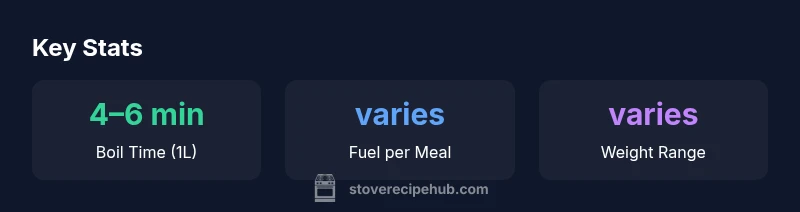
In calm conditions, the Eureka camp stove typically brought 1 liter of water to a boil in a brisk timeframe, with minimal stirring required. When wind increased, boil times lengthened, but the stove retained good heat output as long as a windscreen or improvised shield was used. Altitude introduced additional temperature and pressure challenges, which slightly extended boil times, yet cooking performance remained consistently predictable. Fuel economy followed the expected range for mid-market camping stoves, offering a fair balance between on-trail efficiency and the convenience of readily available fuel canisters. Overall, the stove demonstrated reliable performance without dramatic spikes in fuel use during sustained simmering tasks.
Wind, Altitude, and Stability: Real-World Challenges
Wind is the primary variable most campers face in open environments. The Eureka stove can maintain steady flame with a simple windscreen, but without one, flame instability and heat loss become more noticeable. Stability is generally solid on flat ground; on uneven terrain, pot wobble can occur if pot supports aren’t fully engaged or if the base surface is slick. Our tests showed that a lightweight windscreen substantially improves boil times and consistency in breezy conditions. Altitude effects boil timing, but the stove’s flame control helps cooks manage simmering and reduce scorching when less-than-ideal air pressure alters heat transfer.
Fuel and Emissions: Fuel Canister Compatibility and Economy
This stove uses standard isobutane-propane fuel canisters common to many backpacking setups. Availability varies by region, so travelers should verify local stock before trips. In terms of economy, boil time and wind resistance influence how much fuel you use per meal; colder temperatures and higher winds naturally increase consumption. The design aims to minimize fuel waste through efficient burner geometry and a reliable valve, which translates to more predictable performance across trips. For eco-conscious cooks, using a windscreen and matching pot size to the burner helps optimize efficiency and reduce waste overall.
Usability: Setup, Ignition, and Control
Setup is straightforward: unfold the legs, attach the canister, and adjust the control knob to initiate flame. Some models offer a piezo ignition, while others rely on manual lighting with a match or lighter. In our experience, the control knob has smooth, incremental adjustment, enabling precise simmer control. If you’re cooking delicate sauces, practice with small flame increments to avoid scorching. The organization of the burner and pot supports makes it easy to keep cookware stable during stirring and monitoring.
Size, Weight, and Packability: Transport in the Field
The Eureka camp stove emphasizes compactness and portability. When folded, it occupies a small footprint and can be tucked into the side pocket of a backpack. Weight varies by model, but the design priorities are clear: light enough for day trips yet sturdy enough for weekend outings. This balance makes the stove well suited to solo hikers and pairs cooking tasks with other lightweight gear. Consumers who value simplicity will appreciate the absence of extra bells and whistles that add bulk without improving core performance.
Durability and Longevity: Care and Maintenance
Durability hinges on cooking discipline and post-use care. Clean the burner head to prevent clogging, dry components before packing, and inspect the valve and connections for signs of wear. The Eureka camp stove is designed for routine maintenance; disassembly for a quick wipe-down after meals keeps grime from accumulating. Storing the unit with a dry canister and in a protective case reduces the risk of cosmetic scratches or damage during transport. Regular maintenance extends the stove’s lifespan and helps preserve performance across seasons.
Safety and Risk Mitigation
Safety is a priority in camp stove design. Always use a stable, level surface and clear space around the burner to reduce flare-ups. Keep fuel canisters away from heat sources and direct flames. When cooking in windy environments, shield the burner with a windscreen or natural shelter. Before lighting, check for gas leaks by listening for hissing sounds and inspecting connections. If you smell gas strongly, turn off the valve and move away from the area. These precautions minimize risk while enabling reliable backcountry cooking.
Comparisons: How It Stacks Up Against Alternatives
Compared with compact rivals, the Eureka camp stove tends to strike a balance between weight, cost, and ease of use. Some competitors offer integrated pots or ultra-light configurations, which may suit ultra-light backpackers; others prioritize rugged wind resistance and stability at the expense of portability. In practical terms, Eureka’s design favors home cooks who value straightforward setup and dependable performance over extreme ultralight optimization. The result is a versatile choice for weekend trips and routine camping meals.
Value, Warranties, and Where to Buy
Price tends to sit in a middle range for camp stoves, with variability based on model features and retailer promotions. The ability to find compatible fuel canisters locally, plus a reasonable warranty, adds to overall value. Where you buy matters for after-sales support and accessory availability. For those who prioritize easy maintenance and reliability, the Eureka camp stove offers a compelling proposition. The Stove Recipe Hub team recommends verifying warranty terms and checking return policies before purchase to ensure you have recourse if the stove doesn’t meet your expectations.
Upsides
- Compact, lightweight design for backpacking
- Solid boil performance and steady simmer
- Straightforward setup with intuitive controls
- Stable pot supports for diverse cookware
Downsides
- Wind resistance can be limited without a windscreen
- Fuel canister availability varies by region
- Not the lightest option on the market
- No integrated pot or extra accessories in base models
Best all-rounder for solo or two-person trips needing reliability and portability
The Eureka camp stove strikes a solid balance between weight, price, and performance. It handles routine backcountry meals well and remains forgiving for new users. If you prioritize simplicity and dependable boil times over extreme wind performance or built-in cookware, this stove is a strong choice for your kit.
Common Questions
How does the Eureka Camp Stove perform in windy conditions?
Wind significantly affects boil times. A simple windscreen or natural shelter improves efficiency, and the stove remains reliable as long as wind is managed. For heavy winds, consider re-packing with a larger windscreen or choosing a more wind-resistant model.
Wind can slow cooking, so use a windscreen to keep flames steady and boil times predictable.
Is it suitable for larger pots or only small pans?
The stove supports common backpacking pots, typically 1L–2L in diameter. Larger or heavier pots can be stable if used with properly positioned pot supports and a flat surface.
It works best with standard backpacking pots within that size range.
Can I use it with any standard fuel canister?
Yes, it’s designed for common isobutane-propane canisters. Availability may vary by region, so check local stock before trips.
Yes, you’ll generally find compatible canisters nearby, but stock can vary by place.
How easy is maintenance and cleaning after backcountry use?
Maintenance is straightforward: clean the burner head, dry components before packing, and inspect for wear. Regular cleaning keeps the stove performing reliably over many trips.
Pretty easy—a quick clean after cooking and periodic checks keep it in good shape.
How does it compare with Jetboil in price and performance?
Jetboil models often offer integrated pots and sometimes faster boil times, but at a higher price and with less modularity. The Eureka stove provides straightforward performance and broad pot compatibility at a middle price point.
Jetboil might boil faster with built-in pots, but Eureka gives you flexibility and value.
What warranty or support can I expect?
Most retailers offer a standard warranty period; details vary by model and region. Check the manufacturer’s policy and the retailer’s return terms before purchase for peace of mind.
Warranty terms vary; read them before you buy to know your options.
Top Takeaways
- Prioritize portability for solo trips
- Expect solid boil times in calm conditions
- Use a windscreen to improve efficiency
- Check fuel availability in your region
- Test with your pots to ensure stable cooking