GE Profile Induction Cooktop Review: Performance, Pros, and Tips
An analytical review of the GE Profile induction cooktop, covering performance, features, cookware compatibility, cleaning, safety, and how it compares to rivals for serious home cooks.


According to Stove Recipe Hub, the GE Profile induction cooktop is a strong performer for home cooks who value speed, precision, and easy cleanup. The Stove Recipe Hub team found that its responsive controls and consistent simmer make weekly stove-top meals more reliable, though it may carry a higher upfront price and requires compatible cookware. Overall verdict: high-performance with caveats.
The Case for Induction on the GE Profile Platform
Induction cooking has become a benchmark for modern stove technology because it heats pots directly via electromagnetic fields. For home cooks, that means faster boil times, tighter control over temperatures, and a cooler kitchen surface during operation. The GE Profile induction cooktop is designed to blend premium aesthetics with practical performance, offering a smooth glass-ceramic surface, intuitive touch controls, and responsive power levels. In daily use, you’ll notice nearly instant response to adjustments, precise simmering, and safer operation thanks to heat-focused sensors and residual-heat indicators. While not the cheapest option, the efficiency and control can pay dividends for frequent cooks who value precision and easier cleanup.
The GE Profile line aims to balance premium design with reliable induction performance, making it a compelling choice for kitchens that prize modern styling and practical stove-top capability. If you’re upgrading from radiant electric or gas, you’ll likely notice faster heat response and a cooler work surface, which translates into better overall energy management and a more comfortable cooking environment.
Key Features You’ll Use Day-to-Day
The GE Profile induction cooktop centers on fast, dialed-in heat management. Expect features like continuous touch control, a dedicated power-boost setting for rapid boils, precise simmer and melting options, and automatic pan detection that activates only when a compatible pot is centered. Some GE Profile models also include safety options such as a child lock, keep-warm functionality, and boil-detection to prevent overheating. The flat glass surface makes wiping up spills easy, and the visual indicators provide quick cues on active zones and residual heat. For multitasking cooks, the ability to bridge zones or allocate a single power curve across a wide pan simplifies large-quantity tasks without sacrificing control.
Daily use benefits include consistent temps for delicate sauces, fast recovery after adding cold ingredients, and fewer hot spots compared with radiant electric surfaces. The interface tends to be clean and responsive, though you’ll want to spend a moment to learn the exact layout of controls on your chosen model to maximize efficiency.
Performance in Practice: Heating, Boiling, and Simmering
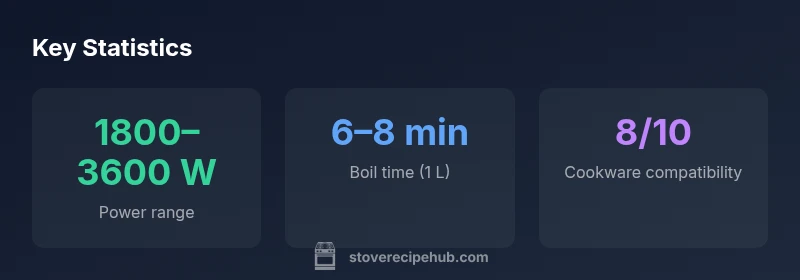
In practice, induction on the GE Profile platform yields near-instant heat changes. A high power setting brings water to a boil quickly, while lower settings provide steady, reproducible simmering essential for sauces and delicate preparations. The responsiveness helps with stir-fries and searing meat as long as you have compatible cookware. Compared with radiant electric or gas, expect less heat loss to the surroundings, translating into faster cooking times for many dishes. Performance can vary with pot size, bottom flatness, and alignment; centered pots heat most evenly, and very large or oddly shaped cookware may require minor tweaks to heat targets to avoid hot spots. Overall, the cooktop excels at routine stove-top tasks while offering nuanced control for more advanced techniques.
Cookware Compatibility and Real-World Limitations
Induction requires magnetic cookware. Stainless steel and cast iron with magnetic bases work reliably, while aluminum, copper, or non-magnetic cookware will not heat. A quick magnet test can confirm compatibility. For best results, use flat-bottom pans, as warpage or extremely thin bottoms can cause uneven heating. If you use specialty pots, ensure they are labeled induction-compatible. Some techniques—like wok cooking with very rounded bottoms—may necessitate a flat-bottom wok for proper heat transfer. Overall, investing in a quality set of magnetic cookware pays off in consistent results across recipes.
Cleaning, Safety, and Maintenance Routines
The glass surface cleans easily with a damp microfiber cloth and a nonabrasive cleaner. Avoid abrasive powders or scrub pads that can scratch the surface. Wipe spills promptly to prevent sticky residue, and use a baking-soda paste for stubborn stains. Safety features like residual heat indicators alert you when a zone is still warm even after turning it off. Regularly check the area for cracks and avoid placing heavy objects on the glass to minimize risk. With routine cleaning and mindful usage, the surface stays clear and cooks stay accurate over years of use.
Energy Efficiency, Power Management, and Controls
Induction transfers energy directly to the cookware, reducing wasted heat and improving efficiency compared with gas or radiant electric options. Most GE Profile cooktops offer multiple power levels and smart algorithms to maintain steady temps without overshoot. Efficient use comes from using properly sized pots and keeping lids on when boiling to minimize evaporation. The control system’s quick response helps reduce overall cooking energy, though you’ll still want to maintain cookware size consistency and organized workflow to maximize efficiency. For daily tasks like boiling, steaming, and simmering, the energy advantages are tangible.
How It Stacks Up Against the Competition
Compared with gas, induction on GE Profile surfaces delivers far faster heat, precise temperature control, and a cooler kitchen surface overall; compared with other electric induction brands, GE’s approach tends to emphasize a refined aesthetic, quiet operation, and a highly responsive touch interface. Some rivals offer broader bridge-zone options or deeper ovens; others may lag on simmer quality or pan detection. Your choice depends on cookware availability, kitchen style, and how much you value ease of cleaning versus flexible zone layouts. For many home cooks, GE Profile represents a balanced choice that blends performance with modern design.
Installation Considerations and Life Cycle
Built-in induction cooktops typically require a 240V circuit and proper ventilation in most kitchens. Depending on your cabinet layout and electrical panel, professional installation is often recommended to ensure proper clearance and safe wiring. Over the life of the appliance, induction cooktops resist staining and require less routine maintenance than gas ranges, though the glass surface can crack if subjected to heavy impacts. If upgrading from a radiant electric or gas surface, plan for an adjustment period to fine-tune heat curves and cookware choices. A well-chosen induction model can deliver many years of reliable service with minimal ongoing maintenance.
Upsides
- Fast, precise heating and responsive controls
- Easy-to-clean glass-ceramic surface
- Strong safety features (auto shut-off, hot-surface indicators)
- Good energy efficiency with reduced heat loss
Downsides
- Higher upfront cost compared with basic electric or gas
- Requires magnetic cookware; non-magnetic options won’t heat
- Potentially narrower cookware compatibility across brands
- Bridge/zone options may be model-dependent
Best for cooks who want speed, precision, and a modern, easy-to-clean surface.
The GE Profile induction cooktop delivers fast heating and precise control. While it carries a higher upfront cost and cookware requirements, its performance and cleaning ease justify the investment for dedicated home cooks.
Common Questions
Is the GE Profile induction cooktop compatible with non-magnetic cookware?
Induction requires magnetic cookware. Stainless steel and cast iron work reliably, while aluminum or copper alone won’t heat. A quick magnet test confirms compatibility.
Induction needs magnetic pots. If a magnet sticks, you’re likely good to go.
What safety features are common on induction cooktops?
Most models include residual heat indicators, auto shut-off, child lock, and boil-detection to prevent overheating or accidental activation.
Look for safety features like hot surface indicators and auto shut-off.
Do I need professional installation for a GE Profile induction cooktop?
Yes, installation typically requires a 240V circuit and professional electrical work. Confirm electrical capacity and cabinet fit with a pro.
Professional installation is usually recommended.
How does induction compare to gas in terms of speed and control?
Induction heats pots directly, delivering faster heating and precise control. Gas offers visible flame cues and may feel more intuitive for some cooks.
Induction is faster and more precise; gas provides visual feedback.
What maintenance does a GE Profile induction cooktop require?
Wipe spills promptly, use nonabrasive cleaners, avoid harsh chemicals, and inspect for cracks. Routine cleaning suffices for most users.
Keep it clean with a soft cloth and gentle cleaner.
Top Takeaways
- Prioritize induction for fast heating and precise control
- Use magnetic cookware for reliable performance
- Expect a higher upfront cost with long-term efficiency
- Keep the glass surface clean to maintain shine
- Check electrical compatibility before installation