How to Use a Butane Stove: Safe Beginner Guide
Learn how to light, operate, and maintain a portable butane stove for stove-top cooking. This comprehensive guide covers setup, ventilation, flame control, safety tips, and troubleshooting to help home cooks master portable gas stoves in 2026.


You can safely light and operate a portable butane stove on a stable, ventilated surface for boiling, sautéing, and simmering meals. Before you begin, inspect the canister, check connections, and ensure good air flow. Keep fuel away from heat sources and never leave a flame unattended. This guide provides a clear, step-by-step process to get you cooking confidently.
Why use a butane stove for stove-top cooking
If you’re preparing meals on a tight schedule or away from a full kitchen, a portable butane stove is a practical option. It delivers quick heat, is easy to transport, and works well for sautéing vegetables, boiling water, simmering sauces, and even frying small batches. For home cooks asking how to use butane stove effectively, the answer lies in safe operation, stable setup, and controlled flame management. According to Stove Recipe Hub, understanding fuel flow, wind protection, and cookware compatibility makes all the difference in performance and safety. This section helps you evaluate when and why a butane stove fits your cooking style, along with common misconceptions to avoid. Keep in mind that performance depends on canister quality, stove design, and how you manage heat.
Safety considerations and ventilation basics
Safety first is non-negotiable with any portable gas appliance. A well-ventilated area reduces the buildup of any potentially harmful fumes, and you should never operate a butane stove in an enclosed tent or car cabin. Always read the manufacturer’s instructions for the specific model you own. Stove Recipe Hub analysis shows that using a simple windbreak in outdoor settings can improve efficiency and reduce fuel consumption. Check for leaks, keep flammable items away from the flame, and store canisters upright in a cool, dry place. If you smell gas or hear hissing, evacuate the area immediately and avoid turning on electrical switches. Ventilation, timely maintenance, and careful handling protect you and your kitchen space.
Lighting the stove and flame control
Learning how to light a butane stove safely starts with the ignition method and flame adjustment. Use a long-reach lighter or the stove’s built-in ignition if available. Open the valve slowly to avoid a sudden burst of gas, then ignite and immediately adjust to your cooking temperature. The ideal flame should be blue and steady, not yellow or flickering. If the flame goes out, turn off the gas, wait a few seconds, recheck connections, and relight. Consistent flame control is essential for even heating and preventing scorching. This section also covers proper cooling times and how to prevent overheating cookware.
Practical cooking configurations and techniques
A steady flame supports a wide range of techniques, from high-heat searing to gentle simmering. When sautéing, preheat the pan briefly with a small amount of oil before adding ingredients. For boiling, start with hot water and adjust the flame to maintain a rolling boil without wasting fuel. Wind exposed environments require a windscreen to preserve heat; if a windbreak is unavailable, shield the burner with your body or position your setup in a sheltered area. Always use heat-resistant cookware and handles, and keep a small timer to prevent overcooking. This section emphasizes how to plan meals with flame strength in mind.
Maintenance, cleaning, and safe storage practices
After cooking, turn off the stove completely and allow it to cool before handling. Detach the canister only after the unit has cooled, and store both separately in a ventilated area. Clean the burner head with a dry brush to remove food particles, and inspect the O-rings and connections for signs of wear. Rinse with a damp cloth if needed, but avoid soaking or immersing the regulator. Proper maintenance extends the life of the stove and reduces the risk of leaks. Keep fuel canisters upright and away from direct sunlight or heat sources.
Troubleshooting common issues and risk mitigation
If you encounter weak flames or irregular heating, check for gas leaks by applying soapy water to connections and watching for bubbles. A yellow flame usually indicates incomplete combustion and may require a cleaning or a flame adjustment. If the burner fails to light, ensure the canister is not empty, the valve opens, and the fuel line is clear. Never attempt repairs beyond basic cleaning and replacement of worn parts. Regular inspections and conservative use reduce the chance of malfunction and improve reliability.
Tools & Materials
- Portable butane stove(Stable, level surface; check for any damage before use)
- Butane canister with regulator(Correct nozzle type for appliance; replace if damaged)
- Long-reach lighter or built-in ignition(Keep hands away from flame during ignition)
- Heat-resistant mat or trivet( protects surfaces from heat)
- Windscreen or wind shield(Optional for outdoor use to improve efficiency)
- Cookware (pan/pot) with flat bottom(Ensure proper contact with burner for even heating)
- Oven mitts or pot holders(Handle hot cookware safely)
- Dish towel and scrub brush(For quick cleanups after cooking)
- Fire extinguisher or baking soda(Keep within reach for emergencies)
Steps
Estimated time: 15-25 minutes
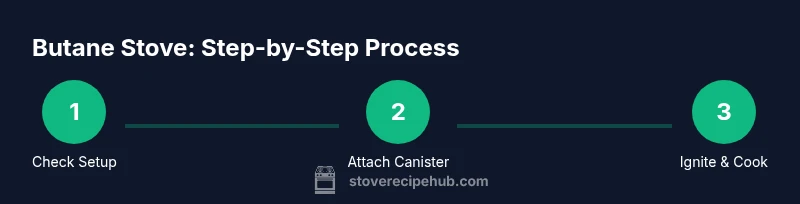
- 1
Check setup and ventilation
Place the stove on a stable, heat-resistant surface in a well-ventilated area. Clear flammable items from the immediate vicinity. This ensures safe operation and reduces the risk of accidental ignition.
Tip: Do a quick room check for fumes and ensure there is no open flame nearby. - 2
Attach canister and inspect lines
Mount the butane canister securely to the stove’s regulator. Listen for a secure seal and visually inspect the fuel line for cracks or leaks. A loose connection can cause gas leakage and fire hazards.
Tip: If you smell gas at any point, turn off immediately and ventilate the area. - 3
Position cookware and wind protection
Set your pan or pot centered on the burner. If cooking outdoors, place a windscreen to shield the flame and maintain consistent heat. Ensure handles are within reach and not over the flame.
Tip: Keep the flame below the pan rims to prevent scorching and fuel waste. - 4
Light the stove safely
Open the valve slowly, ignite with the lighter, and bring the flame to your target level. If ignition fails, turn off the valve, wait a moment, and try again. Do not lean over the burner while lighting.
Tip: Keep your face and sleeves away from the flame; use a long lighter for safety. - 5
Adjust flame and begin cooking
Set the flame to a steady blue color and adjust for simmering or high-heat needs. Start with a lower flame and increase only as required. Monitor heat carefully to avoid scorching.
Tip: Use the pan as your heat buffer; sudden temperature changes can ruin textures. - 6
Shut down and cool safely
Turn off the stove and allow it to cool completely before moving. Detach the canister only after cooling. Store the stove and canister separately in a ventilated area away from direct sunlight.
Tip: Wipe the burner head to remove residues and inspect seals before next use.
Common Questions
Is it safe to use a butane stove indoors?
Indoor use is possible only in well-ventilated areas. Never operate in enclosed spaces such as tents or vehicles due to carbon monoxide risk. If you have doubts, use a different cooking method or outdoor setup.
Indoor use is possible only with proper ventilation. Do not operate in enclosed spaces—trust outdoor or open-air setups when cooking with gas.
What maintenance does a butane stove require?
Regularly inspect the connections and burner for soot or residue. Clean with a dry brush and replace worn O-rings or seals as needed. Store canisters upright and away from heat.
Regularly inspect and clean the burner, check seals, and store fuel upright away from heat.
Can I light a stove if the canister is damaged?
No. A damaged canister should be replaced immediately. Using a compromised canister risks leaks or explosion. Do not attempt to repair canisters yourself.
If the canister is damaged, replace it and do not attempt a fix yourself.
How do I extinguish the flame safely?
Turn the valve to off and allow the burner to cool before moving or storage. Do not blow on the flame to prevent flare-ups or fuel dispersal.
Turn it off and let it cool completely before handling.
What should I do if the flame won't light?
Check that the canister is not empty, ensure the valve is open, and inspect for leaks or blockages. If unresolved, wait briefly, then try again with caution.
If it won’t light, check fuel supply and connections, then retry after a short wait.
Can I use a windscreen with a butane stove?
Yes, a windscreen helps maintain flame stability in outdoor conditions. Ensure it doesn’t trap heat or obstruct airflow.
A windscreen is great for outdoor use to keep the flame steady.
Watch Video
Top Takeaways
- Inspect canister and connections before use.
- Maintain a steady blue flame for best results.
- Ventilate and avoid enclosed spaces during operation.
- Turn off fully and cool before storage.