How to Use a Stove Top Percolator
Learn how to use stove top percolator to brew rich, aromatic coffee. This practical, step-by-step guide covers grind size, water ratios, heat control, troubleshooting, and maintenance for consistently great stovetop coffee.


Learn how to use stove top percolator to brew bold, aromatic coffee on any kitchen stove. This guide covers grind size, water ratios, heat control, and a step-by-step method, plus safety, cleaning, and flavor-tuning tips for consistent results.
Understanding the stovetop percolator
A stovetop percolator is a metal pot with a bottom water chamber, a perforated coffee basket, a vertical stem, and an upper chamber for the brewed coffee. As heat builds, water is pushed up through the stem, passes through the grounds, and drips back into the lower chamber, where the cycle repeats. This repeated extraction can produce a bold, full-bodied cup with a distinctive aroma. The key is controlling heat and timing to avoid over-extraction and bitterness. According to Stove Recipe Hub, the design lends itself to multiple extraction cycles, which emphasizes body and brightness in different ways than drip coffee. With practice, you’ll learn to balance grind size, water temperature, and brew duration for your preferred roast. The approach rewards patience and careful observation: small adjustments to grind size or heat can shift sweetness, acidity, and overall balance. In homes with modern ranges, this method remains a reliable way to capture deep, lingering coffee flavors while keeping the process simple and hands-on.
Grind size, coffee type, and ratio
Grind size affects extraction more than you might expect in a percolator. Use a medium-coarse to coarse grind to reduce clogging and muddy cups. Fines can pass through and end up in the brew, producing a gritty texture and inconsistent flavor. For each 8-ounce cup of water, start with 1–2 level tablespoons of coffee and adjust to taste. A typical brew ratio runs roughly 1:15 to 1:18 (coffee to water). Lighter roasts reveal brighter acidity and floral notes, while medium roasts often balance sweetness and body. Dark roasts provide bold, chocolatey tendencies but can taste harsh if over-extracted. Freshly ground beans yield the most aroma and flavor impact, so grind just before brewing whenever possible.
Water quality, temperature, and preheating
Water quality matters. Use clean, fresh water; if your tap is hard or has noticeable chlorine, filtered water helps preserve delicate flavors. Fill the bottom chamber to the indicated max line, and never exceed it. Preheating the water or starting with warm water reduces thermal shock and shortens brew time. Heat on medium to medium-low; a gentle rise in temperature produces a steadier percolation and minimizes scorching. A vigorous, rolling boil can over-extract coffee and bring about bitter notes. Keep the lid in place but vent it slightly to release steam gradually, instead of sealing the pot tightly. The goal is a controlled rise that pushes water through the grounds without agitation that damages the cup’s balance.
Step-by-step brew overview
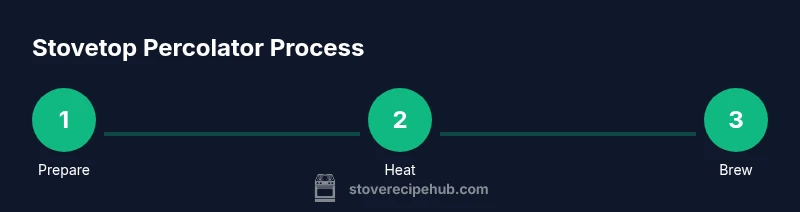
Starting with a clear setup saves time and reduces mistakes. Assemble the unit, preheat the bottom chamber, and have your ground coffee ready. Add water to the bottom chamber up to the fill line, then place the ground coffee in the basket without packing it down. Attach the upper chamber and ensure the gasket is seated and the lid is secure. Place the pot on the stove and set to medium heat. Watch for the first signs of percolation—gentle bubbles rising into the upper chamber. When the brew becomes steady, adjust heat to maintain a calm, continuous cycle. After the coffee reaches your preferred strength, remove from heat and allow a brief rest before pouring to let flavors settle.
Monitoring the brew and avoiding over-extraction
During percolation, listen for a steady cadence rather than a roaring boil. If you hear loud splashing, turn the heat down. The top chamber should fill gradually; a rapid rise means the heat is too high. If the coffee tastes bitter or hollow, reduce the grind coarseness or lower the heat, and shorten the brew time. If sediment is excessive, check that the basket is clean and that you’re not pressing grounds into the perforations. After brewing, let the pot rest a minute, then pour slowly to avoid capturing any floating grounds. These small adjustments dramatically affect mouthfeel and balance.
Cleaning and maintenance for longevity
Disassemble the percolator after use and rinse with warm water. Avoid soaking metal parts in soap for extended periods, as this can strip protective finishes. Use a mild detergent if needed and thoroughly rinse to remove any residue. Periodically inspect the gasket and the central stem for wear; replace worn parts to prevent leaks. A simple, light wipe with a lemon-based cleaner can help remove coffee oils without leaving harsh residues. Dry all parts completely before reassembling. Regular cleaning prevents oil buildup that can affect flavor and performance over time.
Flavor tuning and serving ideas
Want a different cup? Try a coarser grind for a cleaner cup or a slightly longer steep to intensify body. Experiment with water temperature control—each stove is different, so small adjustments to heat yield noticeable flavor shifts. Serve promptly in warmed mugs; pre-warm mugs by rinsing with hot water to preserve heat. If you enjoy a touch of sweetness or spice, add a pinch of cinnamon or vanilla directly to the cup after pouring. Coffee oils from percolation carry more pronounced oils and a richer mouthfeel, so a small amount of dairy or plant milk can smooth or heighten texture depending on your preference.
Safety considerations when heating on a stove
Always monitor the pot while heating; unattended boiling can lead to spills or scorching. Use the appropriate burner size to ensure the base sits stably and the heat distributes evenly. Stand back from steam to avoid burns, especially when opening the lid. If your house uses a glass-top stove, lift and place the percolator carefully to prevent scratches or cracks, and avoid sudden temperature changes that can warp metal parts. Finally, keep children away from hot surfaces and handle the percolator with oven mitts or heat-resistant gloves.
Tools & Materials
- Stovetop percolator (stainless steel preferred)(Choose a size that fits your burner and cup count.)
- Coffee grinder( Burr grinder recommended for consistent grind size (medium-coarse to coarse).)
- Coffee(Freshly roasted beans, ground just before brewing.)
- Water(Filtered water preferred for cleaner flavor.)
- Heat source(Gas or electric stove; use medium heat.)
- Measuring spoon/cup(For precise measurements; optional but helpful.)
Steps
Estimated time: 15-25 minutes
- 1
Assemble and preheat
Rinse all parts. Preheat the bottom chamber with hot water for 1–2 minutes to reduce thermal shock and help with a smoother start.
Tip: Check that the gasket is intact and seated before use. - 2
Grind and measure coffee
Grind to a medium-coarse, even consistency. For 8 oz of water, start with 1–2 level tablespoons of coffee and adjust to taste.
Tip: Avoid packing grounds; keep them loose for even extraction. - 3
Load water and grounds
Fill the bottom chamber to the max line with water. Add the ground coffee to the basket without pressing it down.
Tip: Ensure the basket is clean and seated properly. - 4
Attach upper chamber and lid
Place the upper chamber onto the stem and secure the lid. Verify the spout is clear and the gasket is sealed.
Tip: A good seal prevents leaks and ensures steady pressure. - 5
Apply heat and start brewing
Set stove to medium heat and place the percolator on the burner. When you see the brew rising into the top chamber, reduce heat to maintain gentle percolation.
Tip: Avoid vigorous boils that can over-extract coffee. - 6
Finish, rest, and serve
When the brew slows to a trickle, remove from heat and let it rest 30–60 seconds. Pour slowly to keep grounds out of cups.
Tip: Pour into warmed mugs for best aroma and mouthfeel.
Common Questions
Can I use a stovetop percolator on a glass-top stove?
Yes, you can use a stovetop percolator on a glass-top stove, but avoid sudden temperature changes and keep heat moderate to prevent cracks and warping.
Yes, it can be used on glass-top stoves, just keep heat steady and avoid sudden changes.
Why is my coffee tasting weak or bitter?
Weak taste usually means under-extraction or too coarse grind; bitter taste often comes from over-extraction or too hot/busy boil. Adjust grind size, heat, and brew time accordingly.
If it tastes weak, try a finer grind or longer brew; if bitter, reduce heat and shorten the brew time.
How long should I brew in a percolator?
Aim for a brew that reaches desired strength in about 5–10 minutes, then remove from heat and let it rest briefly before serving.
Most percolator brews take around five to ten minutes; stop earlier for lighter coffee and later for stronger flavor.
How do I clean the gasket and stem after brewing?
Rinse the gasket and stem with warm water after each use. Remove any coffee oils; occasional vinegar or lemon treatment can help, followed by thorough rinsing.
Rinse parts after brewing and check the gasket for wear; clean with mild solutions if needed.
Can I reuse coffee grounds for another brew?
Reusing grounds is not recommended; percolators extract in cycles, and reused grounds taste flat or bitter and can clog the basket.
Reusing grounds isn’t advised; it can taste flat and may clog the basket.
Watch Video
Top Takeaways
- Brew with medium heat to balance flavor and body
- Grind size and water ratio critically affect extraction
- Keep the brew on the stove only long enough to reach desired strength
- Clean promptly after use to preserve flavor and performance
- Brewing with a stovetop percolator rewards patience and careful monitoring