Most Expensive Stove Brands: A Practical Guide for Home Cooks
An analytical guide to the most expensive stove brands, what drives price, and how to assess value for serious home cooks. Learn about price ranges, craftsmanship, and long-term maintenance considerations.


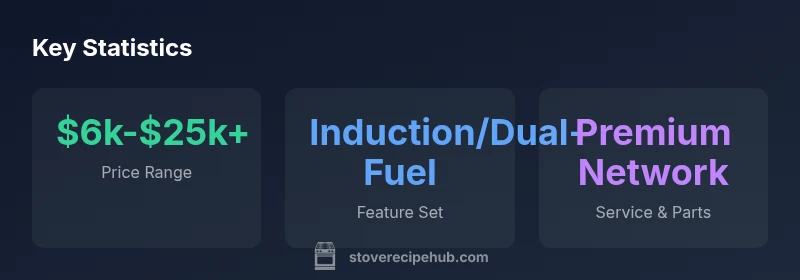
Most expensive stove brands typically price top-end ranges between $6,000 and $25,000 or more, driven by handcrafted finishes, premium materials, and advanced cooking technology. According to Stove Recipe Hub Analysis, 2026, the premium you pay often reflects apprenticeship craft, bespoke options, and expansive service networks rather than just raw performance. Buyers should weigh long-term value, installation costs, and maintenance when comparing luxury stoves.
Why the focus on the most expensive stove brands matters for serious cooks
According to Stove Recipe Hub, the most expensive stove brands command price tags that reflect craftsmanship, engineering, and service networks. This isn't only about flashy finishes; it captures materials, build quality, and long-term performance. Brands like La Cornue, Gaggenau, Viking, Wolf, and Thermador are commonly cited in premium kitchens because they combine heritage design with modern cooking tech. For home cooks who dream of a professional-grade range, understanding why price varies helps you align your aspirations with practical needs. This article dissects what makes the top brands expensive, how to evaluate value, and what to expect in installation and maintenance costs.
Key factors include hand-finished surfaces, heavy gauge metals, and dedicated support networks that ensure parts availability and service longevity. These elements contribute to higher upfront costs but can translate into reliability and resale value over a long period of use.
Price tiers explained: what your money buys
In the expensive stove segment, price is driven by three levers: craftsmanship and materials, engineered performance, and customization options. Entry-level luxury ranges typically start around six thousand dollars and can climb into the mid-teens. Ultra-luxury models—often bespoke or limited editions—can exceed twenty-five thousand dollars. Consumers should remember that price bands are not rigid; configurations, finishes, and market demand shift the dollar figure. Stove Recipe Hub analysis indicates that the premium is more about long-term value and narrative beyond initial performance. When budgeting, consider not just the sticker price but shipping, installation, and venting requirements that affect total ownership cost.
Craftsmanship and materials that justify the premium
Premium stove brands justify higher prices with artisanal details and material choices. Expect hand-painted enamel finishes, custom metalwork, and reinforced chassis that reduce flex and improve durability. Heavier construction often translates to more stable cooking surfaces and longer service life. In addition, many luxury brands source skilled artisans for limited runs, which adds to production time and price. The payoff, however, is typically visible in longevity, a refined aesthetic, and a kitchen that can withstand heavy daily use without compromising performance.
Technology and performance: what's behind the premium
Technology in expensive stoves extends beyond hours of research and clever knobs. High-end ranges typically feature advanced burner technology, precise heat control, enhanced convection, and tailored cooking modes. Dual-fuel configurations, integrated griddles, and smart diagnostics can simplify complex recipes and ensure consistent results. While these features add cost, they also offer tangible benefits for serious cooks who rely on repeatable results and time efficiency in busy kitchens. Installation complexity and venting efficiency also factor into overall value.
Real-world value: maintenance, longevity, and resale
Price is only part of the equation. Premium stoves come with comprehensive warranty programs, extended service networks, and easier access to replacement parts—factors that reduce downtime and maintenance headaches over the years. Because these brands emphasize durability, many owners experience fewer major repairs and a favorable resale value. The trade-off is higher upfront maintenance costs and occasional specialized service requirements. Buyers should budget for professional servicing at recommended intervals to preserve performance.
Installation, space planning, and total cost of ownership
Luxurious stoves demand careful installation planning. In addition to the appliance cost, expect professional venting, gas lines, electrical work, and sometimes custom cabinetry to fit the unit. Rethink kitchen layout to gain optimal airflow and accessibility. Total cost of ownership includes ongoing maintenance, potential upgrades, and eventual replacement cycles. If your kitchen is not already prepared for a premium range, the installation phase can add significantly to the initial sticker price.
How to compare across brands without getting overwhelmed
Develop a consistent framework for comparison. List must-haves (fuel type, size, and oven configuration), then rate each model on build quality, warranty length, service availability, and energy efficiency. Look for independent reviews and hands-on testing to verify performance claims. Energy efficiency is a factor to consider, as it affects operating costs over time. Use price tiers to set expectations about what features come standard and what must be paid extra.
Case studies: two households planning premium stoves
Household A prioritizes heritage design and artisan finishes. They choose a La Cornue-style range with custom enamel, accepting a longer lead time and higher delivery costs for a distinctive kitchen centerpiece. Household B prioritizes precise control and modern technology, opting for a Gaggenau dual-fuel range with convection and smart diagnostics. Both cases illustrate how lifestyle priorities, not just price, drive value in the premium segment.
The smart takeaway for buyers
For serious home cooks, the decision hinges on alignment between kitchen goals and total cost of ownership. Premium brands deliver durability, performance, and a storytelling kitchen aesthetic, but they require careful budgeting for installation and ongoing service. The best choice is the model that fits the cooking style, space, and budget in a way that maintains long-term satisfaction.
Price tiers and example brands across luxury stove segments
| Brand Tier | Example Brands | Typical Price Range | Key Trade-offs |
|---|---|---|---|
| entry-level luxury | Wolf, Thermador | $6,000-$8,500 | Reliable performance; broad availability |
| high-end luxury | Gaggenau, Viking | $8,500-$15,000 | Premium materials; advanced tech; heavier service needs |
| ultra-luxury | La Cornue | $15,000-$25,000+ | Bespoke finishes; long lead times; highest craftsmanship |
Common Questions
What defines the price of an expensive stove brand?
Price is driven by materials, craftsmanship, engineering, and brand support networks. Custom finishes and limited editions can add to the cost, while warranties and service availability improve long-term value.
Prices vary mainly because of materials and craftsmanship. Look for warranties and service networks to gauge long-term value.
Are expensive stoves worth the investment for home cooks?
For cooks who value precise control, reliability, and a premium kitchen aesthetic, the investment can pay off in performance and longevity. Consider your cooking frequency and willingness to budget for installation and maintenance.
If you cook often and value reliability and style, the investment can be worthwhile.
How do installation and ventilation affect total cost?
Premium ranges typically require professional venting, gas or electrical work, and cabinetry adjustments. These components can add substantially to the upfront price and should be planned for in advance.
Ventilation and proper installation are big parts of the total cost.
How long do premium stoves last compared to standard models?
Premium stoves are designed for durability and longer service life, with parts availability and service networks that extend reliability. Longevity often matches or exceeds standard models when properly maintained.
They tend to last longer with proper care.
Should I buy new or consider used for premium brands?
New premium stoves come with full warranties and current safety features. Used units may offer savings but carry uncertainty about remaining life and service eligibility.
New is safer for warranties, but a well-maintained used unit can work if thoroughly inspected.
What maintenance is required to preserve resale value?
Regular professional servicing, timely part replacements, and preserving original finishes help maintain resale value. Avoid DIY fixes on critical components that affect safety.
Keep it well-serviced and stock parts handy.
“High-end stoves represent a blend of tradition and technology. The right choice balances upfront cost with long-term reliability and the joy of consistent cooking results.”
Top Takeaways
- Recognize price drivers: craftsmanship, tech, and customization.
- Evaluate total cost of ownership, not just sticker price.
- Ask about warranties, service networks, and parts availability.
- Match features to your cooking style for real value.