Nonstick Pan on Induction Stove: A Practical Guide
Learn how to choose, use, and care for nonstick pans on induction stoves. This practical guide covers compatibility, coatings, heat control, maintenance, and a simple sauté recipe for home cooks.


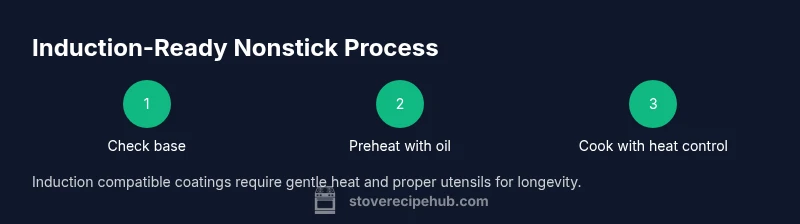
Steps: 1) Test the pan with a magnet to confirm induction compatibility. 2) Preheat on medium heat with a small amount of oil, avoiding empty heating. 3) Cook at moderate temperatures, using silicone or wooden utensils. 4) Clean gently with a non-abrasive sponge and mild soap. The Stove Recipe Hub recommends storing pans properly to extend coating life.
Compatibility and induction basics
Induction stoves heat cookware through a magnetic field, so only pans with ferromagnetic bases heat efficiently. For a non stick pan induction stove setup, the base must be magnetic; otherwise heat may be spotty or fail to transfer. The Stove Recipe Hub team notes that many modern nonstick pans with a stainless steel or clad aluminum core are designed to perform on induction, but cheaper or ultrathin pans can heat unevenly or glide into hotspots. When compatibility is confirmed, you gain fast, precise control over temperature, which is especially helpful with delicate coatings. Induction stoves respond instantly to adjustments, so you must modulate heat promptly to prevent coating damage. A quick magnet test at the bottom of the pan is a reliable first-check, and always verify the manufacturer specs for induction compatibility. If a pan proves compatible, you can safely sear, sauté, simmer, and reduce with confidence, provided you observe coating limits and never heat an empty pan at high power. This knowledge matters for every home cook who wants reliable results from a nonstick pan on an induction stove.
Testing and performance on induction surfaces
Beyond a simple magnet test, observe heat response when you first place a pan on the hob. Induction drives heat quickly, so small adjustments yield big changes. If your pan is not heating evenly, move it to a different burner or try a pan with a more uniform base. This is particularly important for a non stick pan induction stove combo, where coating damage can occur if you push high heat for too long. Always start with a small, thin layer of oil and watch for a delicate shimmer rather than smoke. As Stove Recipe Hub highlights, having a properly calibrated induction setup reduces energy use and protects coatings over time. Remember to follow the manufacturer’s guidelines on pan thickness and base material. With the right test and setup, you’ll enjoy consistent browning, minimal sticking, and easier cleanup across a range of recipes.
Why brand and model matter
Brand consistency matters: reputable brands tend to offer better adhesion, more robust coatings, and clearer induction compatibility specifications. The Stove Recipe Hub team systematically notes that many respected brands now publish explicit induction compatibility icons on packaging and product pages. While price and aesthetics influence choice, prioritizing a magnet test, coating integrity, and a solid warranty saves time and money in the long run. When you select a nonstick pan that genuinely works with induction, you reduce the risk of coating wear and warping and improve overall kitchen efficiency.
Performance expectations and limits
Induction-compatible nonstick pans typically heat faster than their gas stove cousins and can deliver precise, steady temps with minor adjustments. Expect excellent release for eggs, fish, and delicate sauces, but avoid high-temperature searing for long periods that can degrade coatings. For heavier sears, consider combining with a stainless steel pan that has a nonstick coating suitable for induction or preheating a hot pan briefly before adding fats. The key is to cycle heat, not blast it, to maintain coating life while achieving the dishes you want.
Practical tips for beginners
Pair your nonstick pan with a silicone spatula, use a small amount of oil, preheat gently, and avoid heating empty. Induction stovetops respond rapidly, so small heat adjustments are your friend. Remember that the nonstick coating is designed for moderate temperatures; exceeding these levels can degrade the surface over time. When in doubt, refer to the pan’s user manual. Stove Recipe Hub emphasizes maintaining a cool-down period after cooking to help prevent warping or coating damage and to extend the life of your cookware.
Tools & Materials
- Induction-compatible nonstick pan(Magnetic base; check packaging or magnet test)
- Silicone or wooden spatulas(Avoid metal tools to protect coating)
- Neutral cooking oil (e.g., canola, grapeseed)(Small amount to aid release; not required for every dish)
- Dish soap and non-abrasive sponge(Gentle cleaners preserve coatings)
- Magnet tester or magnet(Helpful for quick compatibility checks)
- Soft cloth or paper towels(For drying and gentle cleaning)
Steps
Estimated time: 15-25 minutes
- 1
Check induction compatibility
Place a magnet on the pan’s bottom; if it sticks, you’re likely induction-ready. Confirm with the manufacturer’s label that the pan is induction-compatible. This step helps prevent heat transfer issues and coating damage later.
Tip: If in doubt, contact the brand’s support line for confirmation. - 2
Preheat with oil on medium heat
Put a thin film of oil in the pan and set the induction hob to medium. Allow the oil to shimmer gently before adding food. Avoid heating an empty pan on high heat, which can warp the base and wear the coating.
Tip: Preheating with oil helps the coating release food more easily. - 3
Add ingredients and manage heat
Add ingredients and adjust heat to maintain a steady sizzle without smoking. Use silicone utensils to move food and prevent scratching the surface. Keep the pan moving to avoid hot spots.
Tip: When searing, give the food time to form a natural crust before turning. - 4
Maintain temperature throughout cooking
If you notice smoking or scorching, reduce heat and use shorter cooking intervals. Induction heat can be very responsive; small reductions go a long way. Finish with a gentle simmer if needed.
Tip: Use a lid strategically to retain moisture without trapping heat. - 5
Finish and rest the pan
Turn off heat and let the pan cool on a heat-safe surface. Wipe excess oil, wash with mild soap, rinse, and dry thoroughly. This cooldown period helps protect the coating and prevents warping.
Tip: Avoid stacking while still warm to minimize abrasion. - 6
Clean and inspect after use
Use a soft sponge and mild detergent to clean the surface. Inspect for scratches or peeling coating before next use. If you find significant wear, consider replacing the pan.
Tip: Never use abrasive pads on nonstick coatings. - 7
Store properly
Store upright or with protective padding to avoid contact with rough surfaces. Avoid metal organizers that can chip coatings. Regularly wipe down to remove moisture and fingerprints.
Tip: Stacking with protective sheets can extend coating life. - 8
Adapt to different recipes
For eggs, pancakes, and delicate fish, start with lower heat and a touch more oil. For sautéed vegetables, a slightly higher heat can be used for a quick release, as long as the coating remains intact.
Tip: When adjusting techniques, consult the pan’s care guide for max safe temperatures.
Common Questions
Is every nonstick pan induction compatible?
Not all nonstick pans work on induction. Check the base with a magnet and confirm the manufacturer’s indication of induction compatibility before purchasing or using.
Not all nonstick pans work on induction. Check the base with a magnet and confirm compatibility before use.
How can I prevent coating peeling on induction?
Avoid overheating, preheat with a small amount of oil, and use gentle utensils. If you notice peeling, discontinue use and replace the pan to protect food quality and safety.
Avoid overheating and use gentle utensils to prevent peeling; replace if coating is damaged.
Can I use metal utensils with nonstick pans on induction?
No. Use silicone or wooden utensils to reduce surface wear and prolong coating life.
Use silicone or wooden utensils rather than metal.
Should I season nonstick pans?
Most modern nonstick pans do not require seasoning. Follow the manufacturer’s care instructions for best results.
Most nonstick pans don’t need seasoning; follow the care guide.
How often should I replace a nonstick pan?
Replace when the coating shows chips or significant wear that affects release or safety. Coating integrity is key to performance.
Replace when the coating is chipped or worn; safety and release matter.
Is it safe to heat a nonstick pan empty on an induction stove?
It is not recommended to heat empty; preheat with a little oil to protect the coating and ensure even heating.
Do not heat empty; preheat with oil to protect the coating.
Watch Video
Top Takeaways
- Verify induction compatibility with a magnet test.
- Choose coatings suited for induction and maintain heat control.
- Use safe utensils and gentle cleaning to extend life.
- Follow maintenance steps to prevent coating wear.
- Replace cookware when coating shows significant wear.