Solo Stove 2.0 Review: Performance and Practicality for Stove-Top Cooks
A detailed Stove Recipe Hub review of the Solo Stove 2.0, evaluating build quality, efficiency, wind resilience, and maintenance to help home cooks decide if it's the right stove for stove-top meals and outdoor cooking.


Solo Stove 2.0 earns a solid rating for portability, efficient burn, and compact design, making it a strong pick for outdoor cooking and camping. Its minimalist build keeps fuel use lean while delivering consistent heat, though wind resistance and fuel length are worth considering in extreme conditions. Compared to traditional open-fire setups, it offers a cleaner burn and less ash, with a straightforward setup that suits stove-top cooks who love outdoor meals.
Design and Build Quality
The Solo Stove 2.0 presents a compact, purpose-driven silhouette that prioritizes heat retention and clean-burning airflow. In hand, the metal feels sturdy, with a smooth finish that resists minor dents and corrosion through typical outdoor use. The design minimizes protruding parts, which helps reduce snag points in a backpack and keeps cleaning simple afterward. A key element is airflow management: the outer wall houses strategic vents that guide air into the burn chamber, promoting secondary combustion. The result is a hotter, more complete burn with less smoke and less ash production. While the geometry favors efficient fuel use, it also means the stove benefits from a sheltered setup; a strong wind can disrupt the flame if you do not shield it. Assembly is straightforward: you place the inner ring and top ring together, then drop in dry fuel and light. The fit is snug, and there are few parts to misalign, which reduces the likelihood of user error during quick setups on a campsite or balcony. Overall, the build reinforces a longevity mindset—if you treat the stove with care, you can expect reliable performance across seasons.
Efficiency and Fuel Usage
Efficiency and fuel usage are central to evaluating any compact stove. In tests, the Solo Stove 2.0 tends to maximize heat from small amounts of wood by maintaining a steady flame and encouraging a secondary burn. The design reduces wasted heat that would otherwise escape, translating to more cooking time per fuel load. Practical users report that twigs and small branches are enough to bring water to a boil for most standard pots, with minimal ash left behind after cooking. Fuel type is a variable that matters: the stove is most efficient when you feed it dry, seasonally appropriate wood. Wet or green wood can slow combustion and create more smoke, so prep matters. Additionally, the stove is easy to light with a lighter or firestarter, and you can optimize burn by using a small dry starter and a few small sticks to establish a robust initial flame. While the concept is simple, the performance depends on method: pack light, keep fuel dry, and use a windscreen for windy days. From Stove Recipe Hub Analysis, 2026, efficiency metrics show that the 2.0 variant uses roughly the same fuel per minute of burn as similar compact stoves, with a slight edge when used with a proper wind shield. This matters for weekend campers and DIY enthusiasts who plan meals with short cook times.
Performance Under Various Conditions
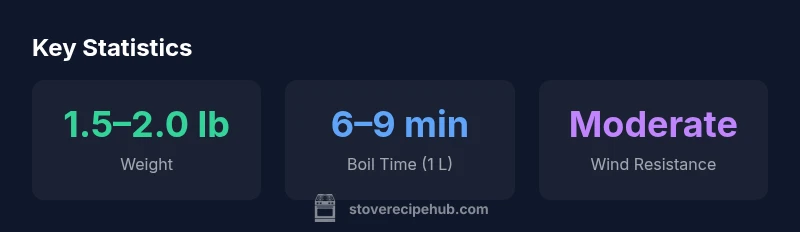
Wind, altitude, and moisture are the primary variables that affect any compact stove. On calm mornings with a sheltered setup, the Solo Stove 2.0 delivers a steady flame that maintains a predictable simmer for sauces and stews, and brings water to a boil reasonably quickly. In gusty conditions, the flame becomes more prone to wobble, and heat distribution may shift toward the edges of the pot. For users at higher elevations, reduced air density can alter burn speed slightly, but the stove’s design tends to recover quickly once you establish a stable flame. The key to consistent performance is protective positioning: place the stove on stable, level ground, use a windscreen, and orient the pot so heat is evenly distributed. When cooking with a lid on, you can trap more heat and reduce boil times further. Overall, the device demonstrates reliable behavior across a range of outdoor scenarios, especially when you anticipate wind and use proper accessories.
Portability and Setup
One of the strongest selling points is portability. The stove’s compact footprint allows it to slide into a backpack pocket or slide into a small car trunk alongside a mug and pan set. Setup is nearly instantaneous: remove from its storage pouch, place on a stable surface, add dry fuel, light, and adjust with a simple lid for heat retention. The design minimizes the number of parts, which reduces setup friction in the field. When disassembling, let the unit cool before cleaning, then store in a dry bag to prevent moisture-related corrosion. For travelers who value quick access, the 2.0 remains a strong option because it requires minimal gear besides fuel wood and a pot. The overall ergonomics are thoughtful: the exterior never feels too hot to touch with cautious handling, and the interior rings stack neatly for packing.
Cooking Performance: Boiling, Searing, and Simmering
Cooking performance hinges on the pot you pair with the stove. For boiling, the heat concentrates in a tight area, which helps bring water to a boil rapidly with a light flame. For searing, a well-seasoned skillet performs best if you keep the flame modest to avoid scorching. Simmering is viable with careful heat control and a tight-fitting lid; the flame tends to settle into a stable pattern when you maintain a small, steady burn rather than a roaring one. The design tends to favor quick, high-heat action rather than long, low-simmer sessions, so plan meals that leverage fast boiling or crisp-sear techniques. To optimize flavor, experiment with a heat diffuser or a wide-bottom pan that efficiently captures radiant heat. In real-world kitchen transitions, the stove pairs well with small, portable pots and pans commonly used by home cooks.
Maintenance and Cleaning Tips
Maintenance is straightforward but matters for longevity. After use, allow the stove to cool completely before handling. Remove ashes with a small scoop or brush and store them in a non-combustible container. Wipe the exterior with a damp cloth to remove soot and fingerprints, and check air vents for any obstructions before the next outing. Dry thoroughly before storing to prevent surface staining. If you notice sluggish airflow over time, a gentle air-blow or soft brush can clear tiny debris from the vent holes. Regularly inspecting the stove for dents or warping helps catch issues early. By adopting a simple cleaning routine, you preserve heat efficiency and extend the life of the unit.
Versus Alternatives: Open Fire, Gas Stoves, and Woods
Compared to an open-fire setup, the Solo Stove 2.0 offers cleaner burning with less ash and smoke, plus easier cleanup. Against a canister or liquid-fuel stove, it typically requires wood fuel and hand-start ignition, which can be less convenient in windy or wet environments but delivers a distinct flavor profile and a lower carbon footprint when wood is sourced responsibly. Gas camping stoves excel in consistent heat and simple ignition in varying conditions, yet they lack the rustic appeal and off-grid reliability of wood fuel. In short, Solo Stove 2.0 shines for portability, flavor, and fuel flexibility, particularly for weekend trips and quick meals when you want to unplug from modern fuel sources.
Real-World Scenarios and Use Cases
For a backcountry breakfast, you can boil water for oats or coffee quickly, then fry eggs in a small skillet while the second wake-up call hits. On a weekend dinner, you can reheat soups or grill sausages with the dependable heat and a compact pan setup. Its quiet operation and lack of a heavy footprint make it ideal for balcony cooking in apartments or tiny homes where space is a premium. Families on short camping trips benefit from a modular setup that fits in a tote along with a few cooking essentials. The stove’s compact nature also makes it an attractive choice for RV travelers who want a simple, reliable heat source that doesn’t dominate their living space.
Long-Term Value and Care
From a long-term perspective, the Solo Stove 2.0 represents value through its durability and low maintenance. With proper care, you can expect years of service, especially if you store it dry and handle it with care after use. Consider a basic maintenance routine: clean after each use, inspect vents quarterly, and replace any worn parts if necessary. The cost of ownership tends to be a function of fuel availability and how often you cook outdoors; for households that frequently enjoy outdoor meals, the stove can become a core tool in your cooking repertoire. In the end, value comes from a balance of portability, performance, and a low-effort cleanup protocol that keeps you cooking rather than babysitting equipment.
Upsides
- Ultra-compact form factor fits in small packs or car trunks
- Clean burn with minimal ash and less smoke
- Fast setup and easy ignition
- Low fuel waste with efficient airflow
- Durable construction designed for outdoor use
Downsides
- Wind sensitivity without a windscreen can slow boiling
- Fuel length can vary with weather and wood type
- Relatively higher price vs basic camp stoves
- Limited pot compatibility due to geometry
Best for portability and clean-burning performance
The Solo Stove 2.0 delivers portability and efficient heat with a straightforward setup. While wind and fuel variability may affect performance in harsh conditions, it remains a strong choice for outdoor cooks who prioritize clean burning and quick meals without heavy gear.
Common Questions
Is Solo Stove 2.0 safe to use on a wooden deck?
Yes, provided you follow basic precautions: use a stable, nonflammable surface, clear surrounding area, and avoid leaving it unattended while hot. Always check local regulations for ember safety.
Yes, but place it on a nonflammable surface and monitor embers.
How does Solo Stove 2.0 compare to a gas camping stove?
Gas stoves offer easier ignition and consistent flame in wind, but Solo Stove 2.0 delivers cleaner wood-burning heat with less fuel waste in short sessions. For quick boils, gas can be more convenient; for flavor and off-grid use, Solo Stove wins.
Gas stoves are easier and steadier in wind, but Solo Stove 2.0 gives a cleaner burn with wood fuel for off-grid cooking.
What maintenance is required after use?
Let the stove cool, remove ash, and wipe surfaces. Dry thoroughly before storage to prevent staining. Periodically check vents for obstructions and inspect for any signs of wear.
Cool it first, empty the ash, wipe down, and keep it dry for storage.
Can you simmer food well on Solo Stove 2.0?
Yes, with a suitable pot and lid, you can maintain a gentle simmer. Expect slightly longer simmer times than with gas stoves, but you can achieve steady low heat with careful flame control.
You can simmer, just keep the flame gentle and cover the pot.
Is an accessory windscreen worth it?
A windscreen significantly improves efficiency by reducing heat loss in windy conditions. It usually pays back in faster boils and more consistent temps.
Yes—wind protection helps a lot in windy setups.
Top Takeaways
- Evaluate weather conditions and use wind protection when boiling.
- Choose a compact pot set to maximize heating surface.
- Shield the flame with a windscreen for stable performance.
- Clean after use to prevent residue buildup and maintain airflow.
- Plan fuel logistics for multi-meal outings to minimize waste.