Best Way to Cook Shrimp on the Stove: A Step-by-Step Guide
Learn the best way to cook shrimp on stove with expert guidance from Stove Recipe Hub. Master prep, searing, timing, and safety for tender, flavorful shrimp in minutes.


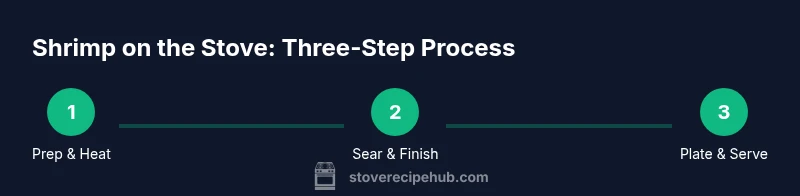
Goal: perfectly tender shrimp cooked on the stove. The best way to cook shrimp on stove is to pat the shrimp dry, season well, and cook in a hot skillet with a thin layer of oil or butter. Sear 2-3 minutes per side until pink and opaque, then rest briefly before serving. Cook in batches to avoid overcrowding.
Why Sauté Shrimp on the Stove Delivers Flavor and Texture
Cooking shrimp on the stove offers a fast, controlled method that yields a bright, juicy bite with a lightly caramelized exterior. The key is high heat, a thin layer of fat, and only a few minutes of cooking time. When shrimp hit a hot pan, they form a quick crust that protects their delicate interior, delivering flavor without drying out. According to Stove Recipe Hub, the best results come from keeping the shrimp in small batches so the pan stays hot and the browning happens evenly. This is especially important for shrimp because they cook rapidly and can turn from tender to rubbery in moments. Think of shrimp like tiny steaks: sear briefly, flip once, and remove promptly to hold moisture. By mastering this approach, home cooks can reproduce confident, restaurant-style results at home.
Consistency comes from prep, heat, and timing. If you jump between tasks or crowd the pan, you’ll steam rather than sear, which dulls flavor and texture. A well-timed, focused sear creates deep color, a savory aroma, and a satisfying snap when you bite into it. The technique also scales: whether you’re cooking for two or a crowd, the same core steps apply with thoughtful batch management. As you practice, you’ll learn how different stove types and pans affect heat retention, which helps tailor the method to your kitchen setup.
sectionRatingInfo
Tools & Materials
- Skillet (heavy-bottom, 12–14 inches)(Cast iron or stainless steel preferred for even heating and good browning.)
- Neutral high-heat oil(Canola, grapeseed, or peanut oil with a high smoke point.)
- Unsalted butter (optional)(Adds flavor when used in combination with oil.)
- Paper towels(Pat shrimp dry to remove moisture for a crisp sear.)
- Tongs(Prefer long, with a gentle grip to flip shrimp without breaking them.)
- Raw shrimp, peeled and deveined(Pat dry before cooking; thaw fully if frozen.)
- Instant-read thermometer (optional)(Useful for checking doneness without cutting into shrimp.)
Steps
Estimated time: 10-12 minutes
- 1
Prepare shrimp and heat pan
Pat shrimp dry with paper towels to remove surface moisture. Patience here improves searing. Heat the skillet on medium-high and add a thin layer of oil just to shimmer and lightly coat the bottom. If using butter, wait to add it until after the oil,” to prevent burning.
Tip: Dry shrimp thoroughly; moisture causes steaming and pale browning instead of a crisp crust. - 2
Add shrimp in a single layer
Place shrimp in a single layer without overlapping. Let the first side sear undisturbed for about 1-2 minutes until the bottom edges turn pink and you see a light crust. If the pan starts to smoke, reduce heat slightly before the next step.
Tip: Crowding the pan cools the surface and prevents browning; batch cooking maintains strong color and texture. - 3
Flip and finish cooking
Flip shrimp once with tongs and cook 1-2 minutes more, just until opaque and pink throughout. Remove promptly to prevent the center from overcooking. If you’re using butter, add a small knob at the end for flavor.
Tip: Shrimp go from perfectly cooked to rubbery quickly—watch for a firm, opaque color and a slight curl. - 4
Rest briefly and season
Let the shrimp rest 1 minute off the heat to finish cooking with residual heat. Lightly season again if desired and serve hot. This resting phase helps juice redistribution and keeps shrimp tender.
Tip: Avoid salting too early; salt can draw moisture and affect sear quality. - 5
Flavor finish and serve
Finish with a splash of lemon juice, minced garlic, or a quick herb toss if you like. Toss gently to coat without breaking the shrimp. Plate immediately with a simple side to showcase the shrimp’s color and texture.
Tip: A bright acidic finish enhances perception of juiciness and balances fat. - 6
Safety, cleanup, and storage
Turn off heat, wipe the pan if needed, and wash cookware after it cools. Refrigerate any leftovers within two hours and store in an airtight container for up to 2 days. Reheating gently prevents rubbery texture.
Tip: Hot splatters can occur when the pan is very hot; use a guard or long sleeves to stay protected.
Common Questions
What is the best pan for shrimp on the stove?
A heavy-bottom skillet, like cast iron or stainless steel, provides even heat and good browning. A nonstick pan can work, but it won’t develop as much crust.
Use a heavy skillet for even heat and browning; nonstick can work but crust may be lighter.
Can I cook frozen shrimp directly on the stove?
It’s best to thaw shrimp first for even cooking, but you can cook frozen shrimp if you increase initial cooking time and monitor doneness closely.
Thaw if you can; if you’re in a pinch, you can cook from frozen and adjust the time a bit.
Should I use oil or butter when cooking shrimp?
Oil is safer for high-heat searing; butter adds flavor but burns if used alone. A small amount of oil with butter can combine flavor and safety.
Oil for heat, butter for flavor—use a little of both if you like.
How do I know when shrimp are done?
Shrimp turn pink and opaque, curling into a loose C shape. Overcooked shrimp become firm and rubbery.
Look for pink color and opaque center; avoid overcooking for best texture.
How long does it take to cook shrimp on the stove?
Typically about 2-3 minutes per side on medium-high heat, depending on size. Remove as soon as they’re opaque.
Most shrimp cook quickly, about 4-6 minutes total for typical sizes.
Is it safe to reheat shrimp leftovers?
Reheat gently to minimize moisture loss—prefer sautéing briefly in a hot pan or microwaving in short bursts with moisture added.
Reheat gently and don’t overcook; shrimp dry out easily when reheated.
Watch Video
Top Takeaways
- Pat dry for crisp sear and juicy inside
- Cook in batches to avoid steaming and uneven browning
- Use high-heat oil, and optionally butter for flavor
- Flip once; cook 2-3 minutes per side until opaque
- Finish with acid or herbs to brighten the dish