How Long to Cook Shrimp on the Stove
Learn how long to cook shrimp on the stove with size-based guidance, cooking methods, and safety notes for perfectly tender results every time.


If you’re wondering how long to cook shrimp on the stove, the answer depends on size and technique. Start with thawed, peeled shrimp and cook quickly in a hot skillet with a small amount of oil. Typical times range from about 2 to 6 minutes total, depending on size and desired tenderness.
How long to cook shrimp on the stove: the big picture
When beginners ask how long to cook shrimp on the stove, they’re often surprised that there isn’t a single number that fits every scenario. Size, whether the shrimp are peeled or with tails on, whether you’re using fresh or frozen shrimp, and the cooking method all determine the final texture. In Stove Recipe Hub's experience, the most honest guide is to watch color, texture, and time in tandem. Shrimp should turn pink and opaque with a slight curl but avoid turning rubbery. The goal is a quick, high-heat sear followed by a brief finish if needed. According to Stove Recipe Hub, practicing with small batches helps you dial in your heat level and pan choice for consistently great results.
Shrimp size and how it changes cook time
Shrimp are sold in sizes like tiny, small, medium, large, and jumbo. Each size category carries a typical range so you can estimate cook times without overfishing the timing. In general, smaller shrimp cook faster and larger shrimp take longer. A practical rule of thumb is to start checking doneness at the lower end of the range and adjust based on appearance. As you gain experience, you’ll instinctively know when to pull the pan off the heat.
Common stove methods for shrimp
The stove offers several reliable pathways for cooking shrimp: quick sauté in a shallow pan, a fast pan-sear for a deeper crust, or a light simmer with aromatics for a more saucy finish. Sautéing is the most common method for bare shrimp because it preserves moisture and flavor while delivering a crisp edge. Pan-searing emphasizes browning and texture. Steaming in a skillet with a splash of water or broth is another option, though it changes the texture slightly. Each method has its own timing window, so knowing the target method helps you approximate the finish more accurately.
Temperature and pan setup for a perfect sear
Begin with a dry, well-preheated pan and a small amount of oil with a high smoke point (such as canola, grapeseed, or avocado oil). Heat the pan until the oil shimmers but doesn’t smoke. If you’re using butter for flavor, add it after the initial sear to prevent burning. A hot, evenly heated surface creates a quick Maillard reaction, giving shrimp a glossy finish and a pleasant aroma. Overcrowding the pan drops the temperature and extends cooking time, so cook in batches if needed.
Step-by-step: sautéing shrimp to perfection
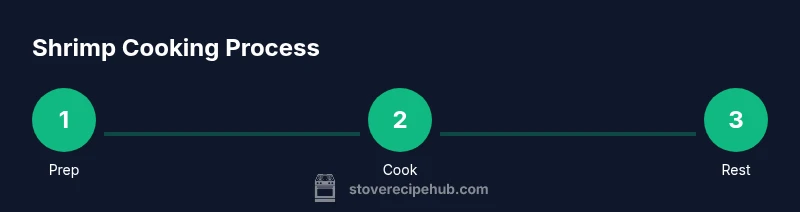
Sautéing shrimp is a straightforward technique that yields excellent results when executed with precision. This section outlines the core actions and timing, followed by practical tips to avoid common missteps. You’ll learn to preheat, sear, flip, and rest the shrimp for optimal texture. Paying attention to the shrimp’s appearance—pink color, opaque center, and just a touch of snap—helps you decide when to remove them from heat.
How to tell when shrimp are cooked safely
The safest sign that shrimp are ready is the color change to pink with opaque flesh. They should be curled gently rather than tightly coiled. If you’re unsure, cut into one to check for a translucent center; if it’s opaque and firm, you’ve reached doneness. For food safety, avoid serving shrimp that remain translucent or have a soft texture, as this suggests undercooking. Resting briefly after cooking helps juices redistribute and improves overall mouthfeel.
Variations and flavor boosters
Shrimp accept a wide range of flavors. Garlic, lemon, parsley, chili, and butter create a classic combination, while a splash of white wine or a touch of miso can elevate the dish for adults. For a richer finish, temper butter in at the very end and swirl into the pan with the shrimp. If you prefer dairy-free options, olive oil plus lemon zest and herbs can deliver a bright, clean finish.
Quick reference charts and timing by size
Use these practical references as a starting point, then adjust for your stove and pan. For peeled, deveined shrimp, times are shorter; for shrimp with shells, they’re longer due to density. Always observe color and texture rather than relying solely on a timer. Start with smaller batches to calibrate your heat and pan before scaling up.
Clean-up and safety after cooking shrimp
After cooking, remove the pan from the heat and let it cool briefly before washing. If you used butter, wipe away any browned solids to prevent a burnt-crumb buildup. Properly store any leftovers in a shallow container to cool quickly and refrigerate within two hours to maintain quality and safety.
Tools & Materials
- Skillet (12-inch or larger)(Even heat distribution for browning)
- Neutral oil with high smoke point(Canola, grapeseed, or avocado oil)
- Butter (optional)(For flavor in finishing step)
- Shrimp, peeled and deveined(Fresh or properly thawed frozen shrimp)
- Paper towels(Pat dry to remove surface moisture)
- Tongs(Turn shrimp without breaking them)
- Lemon wedges and garlic (optional)(Brighten flavor at the end)
- Measuring spoons(Accurate seasoning)
Steps
Estimated time: 15-25 minutes
- 1
Prep the shrimp
Rinse the shrimp briefly and pat dry with paper towels. Peel and devein if needed, and pat dry again to remove surface moisture. Dry shrimp sears better and prevents steaming inside the pan.
Tip: Even drying helps achieve a good sear. - 2
Preheat the pan
Place a heavy skillet over medium-high heat and let it heat for 1-2 minutes. Add a thin layer of oil and heat until it shimmers but doesn’t smoke.
Tip: A hot pan is essential for color and texture. - 3
Add shrimp in a single layer
Place shrimp in a single layer, keeping space between pieces. Do not crowd; overcrowding lowers the pan temperature and prolongs cooking.
Tip: If necessary, cook in batches. - 4
Sear and flip
Let the first side sear for about 1-2 minutes until edges turn pink. Flip once and cook 1-2 minutes more, depending on size.
Tip: Aim for opaque flesh with a light pink edge. - 5
Finish and rest
If you’re finishing with butter or aromatics, add them after flipping and swirl. Remove shrimp as soon as they’re opaque and slightly firm.
Tip: Short resting period helps juices redistribute. - 6
Plate and serve
Transfer to a warm plate and serve immediately with your preferred sides or sauces.
Tip: Add a squeeze of lemon for brightness.
Common Questions
How long should shrimp be cooked on the stove?
Cook times vary by size and method. Generally, peeled shrimp take about 2-6 minutes total. Watch for pink color and opaque texture to determine doneness.
Shrimp cook quickly on the stove; look for pink color and opaque flesh to know when they're done.
Should I thaw frozen shrimp before cooking?
Yes, thawing helps even cooking and browning. Pat dry after thawing to remove surface moisture.
Yes, thaw frozen shrimp and dry them before cooking for best results.
Can I cook shrimp with the shells on?
Shrimp cook, but shells slow heat transfer and may affect texture. Peeled, deveined shrimp cook more evenly and quickly.
You can cook with shells, but peeled shrimp cook faster and more evenly.
Is pan-searing better than boiling for flavor?
Pan-searing provides a flavorful crust and quicker cook-through, while boiling yields plainer shrimp. For texture and taste, searing is preferred.
Pan-searing gives you a nicer crust and faster cook, which is usually better for flavor.
How can I avoid rubbery shrimp?
Cook shrimp briefly and remove from heat as soon as they turn opaque. Overcooking leads to a tough, rubbery texture.
Don’t overcook; pull them as soon as they’re pink and opaque.
Do I need to add lemon or butter?
Both are optional. Lemon extends brightness, while a little butter adds richness at the end.
Optional extras like lemon and butter can enhance flavor if you like.
Watch Video
Top Takeaways
- Size dictates cooking time and doneness cues.
- High-heat searing yields the best texture.
- Do not crowd the pan; batch if needed.
- Cook until shrimp are pink and opaque, then rest briefly.