Cleaning Wood Stove: A Practical Step-by-Step Guide
Learn to safely clean your wood stove, maintain efficiency, and reduce creosote buildup with practical, stove-top proven methods.


With this guide you’ll safely clean a wood stove, restore efficiency, and reduce creosote buildup. You’ll learn how to prepare your space, choose the right tools, and follow a clear, step-by-step method. Ready to clean? Gather gloves, a metal ash shovel, a stiff brush, a non-abrasive cleaner, and a vacuum; work in a ventilated area and extinguish the fire completely before starting.
Safety First: Before You Start
Safety is the foundation of a successful wood stove cleaning project. Make certain the stove and chimney are cold before you touch any parts. Open a window or run a vent to ensure good air exchange, and wear personal protective equipment: heavy gloves, eye protection, and a dust mask if creosote is present. Keep children and pets away from the work area, and avoid rushing through the job. If you smell gas or notice any unusual drafts, stop and contact a professional. According to Stove Recipe Hub, safety reduces exposure to contaminants and lowers the risk of accidental fires. A well-ventilated space also helps you see soot deposits clearly and prevents overheating of nearby combustibles.
A cold, well-organized workspace minimizes surprises during cleaning and makes it easier to identify stubborn deposits. If you live in a high-humidity environment, consider running a dehumidifier nearby to keep moisture levels in check while you work.
Safety is not optional—it's the foundation of an effective cleaning session and a safer home.
Workspace Setup and Preparation
Clear the area around the stove and lay a drop cloth to protect floors. Have a metal bucket for ashes, a stiff brush, a long-handled vacuum or ash shovel, microfiber cloths, a mild stove-safe cleaner, and a spray bottle with water or a vinegar solution. If your stove has a glass door, keep glass cleaner on hand. Ensure the room remains ventilated during the entire process. This phase reduces mess and keeps the cleaning efficient.
Planning ahead saves time: check that you have access to a metal trash can for ashes, a damp rag for wipe-downs, and clean towels ready for drying surfaces. If you notice moisture on the stove, wait until everything is dry before continuing.
Cleaning the Interior: Firebox, Baffle, and Smoke Shelf
Let the firebox be cold, then scoop out the cooled ashes into the metal bucket. Use a stiff brush to loosen creosote and debris from the firebox walls, top plates, and smoke shelf. Gently wipe surfaces with a damp cloth; never use abrasive pads that can scratch enamel. For thick layers, repeat brushing until deposits loosen. When cleaning near the flue, avoid dislodging large chunks that could fall into the chimney; keep debris contained. Periodically inspect baffles and air inlets for damage and plan replacement if needed. This interior care helps keep airflow clean and reduces smoke buildup during the next burn.
Glass Door and Exterior Surfaces
Clean the glass door with a stove-safe cleaner or a vinegar-water solution; wipe with a microfiber cloth and dry thoroughly to prevent streaks. For stubborn spots, apply cleaner, wait briefly, then wipe with the cloth in a circular motion. Wipe the exterior surfaces with a damp cloth and mild cleaner. Dry all surfaces completely to prevent rust and staining. Avoid abrasive cleaners on enamel finishes and never scrub with metal brushes near the glass to keep clarity and longevity intact.
Ash Disposal and Safe Storage
Allow ashes to cool completely before handling. Transfer cooled ashes to a metal container with a tight lid and store away from combustibles. Do not dispose of ashes in household trash while they are still warm. Regularly empty the ash pan or bucket to maintain airflow and stove efficiency. If you reuse mineral-rich ashes for gardening or compost, follow local guidelines and avoid spreading fresh ash where children or pets play.
Maintenance and Seasonal Checkups
Inspect door seals, gaskets, and the hinges for signs of wear. A good seal improves draft control and reduces smoke leakage. Check the chimney connection for obstruction or loose joints; if you detect a persistent smell of creosote, schedule a professional inspection. Regularly brushing the flue or having it inspected keeps your system safe and efficient. Maintain a simple cleaning cadence that aligns with your heating schedule, and document each cleaning to spot patterns in deposits and performance. Stove Recipe Hub emphasizes keeping records to optimize cleaning timing and efficiency.
Common Mistakes and How to Avoid Them
Avoid cleaning with a cold scraper on hot surfaces, which can damage enamel. Never use water on hot metal or glass, as thermal shock can crack surfaces. Do not mix chemical cleaners unless they are labeled safe for stove enamel, and never neglect to clean the chimney if you notice persistent buildup. Lastly, don’t rush and skip PPE—your safety protects the quality of the clean and your home.
Tools & Materials
- Stove brush with stiff bristles(Long-handled brush designed for firebox surfaces)
- Metal ash shovel or scoop(Use a dedicated tool with a heat-resistant handle)
- Ash vacuum or metal ash pan(HEPA-equipped vacuum preferred for finer soot)
- Microfiber cloths(Soft cloths for gentle wiping and drying)
- Non-abrasive cleaner or mild dish soap(Safe for enamel surfaces; avoid harsh chemicals)
- Spray bottle with water or vinegar solution(For light cleaning and glass wipes)
- Protective gloves and eye protection(Heat-resistant gloves recommended for handling hot items)
- Drop cloth or old towels(Protect floors from ash and cleaner splashes)
Steps
Estimated time: 30-45 minutes
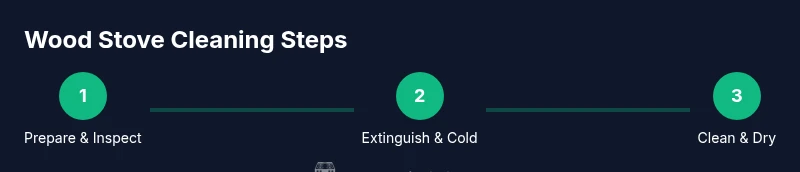
- 1
Prepare the area
Clear the space around the stove and lay down a drop cloth. Gather all tools and materials, ensuring you have a safe, ventilated path. This reduces mess and keeps cleanup straightforward.
Tip: Lay out a dedicated ash bucket within arm’s reach to minimize trips. - 2
Extinguish and wait for cold
If a fire is still burning, extinguish it completely and wait until the stove is cold to touch any parts. Inspect the surrounding area for heat-safe clearance.
Tip: Never handle hot metal; rushing here increases burn risk. - 3
Remove and store ashes
Scoop or vacuum cooled ashes into a metal container with a tight lid. Keep ash away from combustibles and outdoor storage until fully cold.
Tip: Dispose of ashes only when you’re certain they’re cold. - 4
Clean interior surfaces
Brush creosote and debris from the firebox walls, baffle, and smoke shelf. Wipe with a damp cloth, repeating as needed until deposits loosen.
Tip: Work from top to bottom to reduce re-soiling cleaned areas. - 5
Clean the glass and exterior
Clean the glass door with a stove-safe cleaner or vinegar solution; dry thoroughly. Wipe exterior surfaces with a damp cloth and mild cleaner, then dry completely.
Tip: Avoid abrasive pads that can scratch enamel or glass. - 6
Reassemble and test burn
Reassemble any removed parts, light a small test burn in a well-ventilated area, and monitor for smoke or drafts. Allow the stove to reach steady operation and perform a final wipe-down.
Tip: A test burn helps confirm seals and airflow after cleaning.
Common Questions
How often should I clean my wood stove?
Clean as needed based on usage and visible buildup. Regular inspections for creosote and deposits will guide you on when to clean. At the end of a heating season, perform a thorough cleaning and checkfor any signs of wear.
Clean as needed based on use. Do a thorough end-of-season cleaning and check for signs of wear.
Is water safe for cleaning the glass door?
Use a stove-safe cleaner or a vinegar-water solution for the glass. Avoid aggressive sprays on hot glass and dry completely to prevent streaks or thermal shock.
Use a stove-safe cleaner or vinegar solution; dry thoroughly to prevent streaks.
Can I burn trash to clean the stove?
No. Burning trash can release harmful fumes and deposit dangerous residues. Use ash and soot removal methods with appropriate cleaners instead.
Avoid burning trash; stick to ash removal and proper cleaners.
What should I do with creosote buildup in the chimney?
Creosote accumulation can be hazardous. If you notice thick buildup, persistent odor, or difficult drafting, arrange a professional chimney inspection.
If creosote buildup is thick or you notice drafts, get a professional inspection.
Which cleaners are safe for enamel finishes?
Use mild, non-abrasive cleaners labeled safe for enamel or stove glass. Avoid harsh solvents and metal scrubs that can scratch surfaces.
Use mild enamel-safe cleaners and avoid harsh solvents or metal scrubs.
Watch Video
Top Takeaways
- Inspect safety before you start cleaning
- Gather and use the correct tools and cleaners
- Clean from top to bottom and dry surfaces completely
- Dispose ashes safely and schedule periodic maintenance