How to Clean a Pellet Stove: Step-by-Step Guide at Home
Learn how to safely clean a pellet stove with a complete, step-by-step routine. From ash removal to vent inspection, this home-friendly maintenance guide keeps your stove efficient and safe for cooking and heating.


You will learn how to safely and effectively clean a pellet stove, covering ash removal, glass cleaning, hopper inspection, and vent evaluation. Gather a shop vacuum, soft brushes, protective gloves, and a non-abrasive cleaner, then follow a safety-first routine to prevent fires and improve efficiency.
Why Regular Cleaning Matters
A clean pellet stove runs more efficiently, wastes less fuel, and reduces fire risk. According to Stove Recipe Hub, regular cleaning helps maintain steady heat output and lowers the chance of dangerous creosote buildup in the exhaust. For home cooks who rely on stove-top heating during shoulder seasons, a clear maintenance routine keeps your cooking space safe and comfortable. Start with a simple, repeatable schedule: quick ash removal after each cold-season burn, a glass clean every week, and a deeper internal clean every few months depending on usage. This guide uses practical steps you can perform with common tools and basic safety precautions.
The goal is a reliable, clean pellet stove that you can trust to heat your home without interruptions. By adopting a consistent cleaning cadence—combined with routine inspections of gaskets and vents—you reduce the likelihood of unexpected outages and prolong the life of the stove.
Safety First for Pellet Stove Cleaning
Safety should be your first priority whenever you service a pellet stove. Always unplug the unit and allow it to cool completely before touching any internal parts. Wear a dust mask, safety glasses, and heat-resistant gloves to protect from ash and sharp edges. Work in a well-ventilated area and avoid using water inside the firebox or on hot components. If you need to disconnect wiring or move heavy parts, do so with a helper. By following these precautions, you minimize the risk of burns, electrical shock, or accidental ignition.
Tools and Materials You’ll Need
Before you start, gather essential items so you can work efficiently without interruptions. A dedicated ash vacuum is ideal; keep a separate nozzle for stove dust. Have soft brushes, microfiber cloths, and a non-abrasive cleaner for glass. Wear protective gear: gloves, a mask, and eye protection. Keep a metal pail or scoop for ash, and have a small screwdriver set in case you need to remove panels. Having everything on hand reduces the chance you miss a critical step and helps preserve the stove’s components.
Inspecting the Hopper and Auger System
Open the hopper lid and inspect for signs of moisture or clumping. A blocked auger causes uneven feeding and can starve the burn pot, so remove any debris carefully. Check the auger housing for wear, and listen for unusual grinding noises when you rotate the auger by hand. If you notice binding, stop and consult the manual or a service technician. This step protects fuel efficiency and avoids pellet jams.
Cleaning the Ash and Firebox
Use the ash vacuum to remove loose ash from the firebox; never scoop with bare hands. Brush stubborn deposits from corners with a soft brush, working from the center outward. Avoid aggressive scrubbing that can damage heat exchanger surfaces. Empty the ash into a metal container with a lid and carry it away from the home to prevent ignition of fine dust.
Glass Door Cleaning Techniques
Spray a mild, non-abrasive cleaner on a microfiber cloth and wipe the glass door in circular motions. For stubborn soot, let the cleaner sit 30 seconds before wiping. Avoid spraying cleaner directly on the glass; this can flow into seals and gaskets. Dry the surface thoroughly to prevent streaks and ensure clear visibility of the flame.
Burn Pot, Heat Exchanger, and Baffles
Inspect the burn pot for cracks or warped areas and replace if necessary. Use a soft brush to remove glaze on the heat exchanger fins; do not use metal tools that can bend fins. Clean the baffles and ensure no debris blocks airflow. Proper cleaning maintains heat transfer efficiency and reduces draft resistance.
Venting System and Chimney Health
Examine exterior venting for obstructions like nests or dust buildup. If you have a chimney cap, remove and clean it to allow steady exhaust. Use the vacuum nozzle to clean the vent passages accessible from the outside; never force debris through a tight bend, which can damage the vent. Schedule a professional chimney inspection if you notice excessive creosote or hard deposits.
Gasket and Door Seals: Check and Replace
Inspect door gaskets and panel seals for signs of wear, cracking, or compression leaks. A loose seal lets cold air bypass the stove and reduces efficiency. If you detect gaps, replace with manufacturer-specified gaskets and recheck with a simple fit test. A good seal prevents smoke leakage and improves heat retention.
Post-Cleaning Maintenance Schedule
Record the date of the cleaning and the parts you inspected or replaced. Create a routine: quick monthly ash sweep, glass wipe every week, and a full internal cleaning every season or when usage spikes. Keep a checklist near the stove so family members can remind themselves of the tasks. A steady schedule helps you catch issues early and extend the life of your pellet stove.
Common Mistakes and How to Avoid Them
Rushing the glass cleaning can smear soot and hide cracks; take your time and dry thoroughly. Using water on hot metal or inside the firebox can cause warping or corrosion. Pushing debris into tight gaps or vents can damage the heat exchanger. Never skip safety steps; always unplug the unit and use proper PPE. Finally, neglecting a regular maintenance schedule increases repair costs later.
Troubleshooting and When to Call a Pro
Most cleaning-related problems are minor, such as poor ignition or reduced heat, which often improve after a thorough cleaning and gasket check. If you notice persistent smoke, unusual noises, or a smell of burning plastic, shut the stove down and contact a certified technician. For complex venting issues or suspected gas leaks, call emergency services if needed and arrange a professional service visit promptly.
Tools & Materials
- Shop vacuum (ash vacuum)(HEPA filter preferred; keep separate nozzle for ash)
- Soft-bristle brush(For glass, pots, and exchanger fins)
- Microfiber cleaning cloths(Lint-free, non-scratch)
- Non-abrasive stove glass cleaner(Safe for ceramic glass)
- Latex or nitrile gloves(Protect hands from ash and heat)
- Eye protection(Safety glasses)
- Metal ash bucket with lid(Contain ash safely)
- Screwdriver set(For removing panels if needed)
- Soft putty knife or plastic scraper(Gently lift deposits without scratching)
- Old towels or drop cloth(Protect flooring)
- Replacement gaskets (if needed)(Check size before buying)
Steps
Estimated time: 90-150 minutes
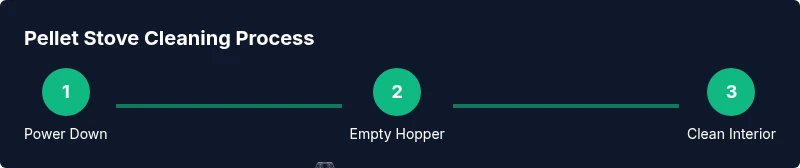
- 1
Power down and cool the stove
Unplug the unit and wait 20-30 minutes for it to reach room temperature before touching any internal parts. This reduces the risk of burns and accidental ignition.
Tip: Always confirm the surface is cool to the touch before starting. - 2
Open hopper and empty ash
Remove the hopper lid and clear loose pellets and ash. Use the ash vacuum to capture fine dust. Do not use bare hands.
Tip: Keep pellet dust away from your eyes and clothes. - 3
Vacuum the firebox and ash pan
With the vacuum, clean the firebox interior and the ash pan. Brush stubborn deposits from corners, working outward.
Tip: Do not spray water or cleaners into hot areas. - 4
Clean burn pot and interior surfaces
Inspect the burn pot for wear and clean glaze from heat exchanger fins with a soft brush. Avoid metal tools that can bend fins.
Tip: Deal with residue gradually to prevent damage. - 5
Clean the glass door
Wipe the glass with a non-abrasive cleaner on a microfiber cloth; let cleaner sit briefly for tough soot, then wipe clean.
Tip: Dry thoroughly to prevent streaks. - 6
Inspect heat exchanger and baffles
Check for clogs or ash buildup on exchanger fins and baffles. Clear with brush if needed, avoiding aggressive scraping.
Tip: Keep airflow paths clear to maintain efficiency. - 7
Check gaskets and door seals
Look for cracks or compression leaks around doors. Replace seals if you detect gaps or hardening.
Tip: A good seal improves efficiency and safety. - 8
Exterior cleaning and vent inspection
Wipe the exterior surfaces and inspect venting for obstructions. Remove nests or debris near the outlet.
Tip: Don’t force debris through tight bends. - 9
Reassemble and test function
Close all panels, reconnect power, and run the stove to verify proper ignition and steady heat output.
Tip: Listen for unusual noises and stop if you hear changes. - 10
Document maintenance and schedule next clean
Log cleaning date, parts inspected, and any replacements. Set a routine for monthly quick cleanings and seasonal deep cleans.
Tip: Use a simple checklist kept near the stove.
Common Questions
How often should I clean my pellet stove?
Aim for quick ash sweeps after regular use and a deeper internal clean every season or when usage spikes. If you’re using the stove daily, consider more frequent inspections of gaskets and vents.
Clean on a regular schedule: quick monthly ash checks and seasonal deep cleanings, adjusting with usage.
Is it safe to use water to clean the glass door?
Use a mild cleaner designed for stove glass and avoid spraying water directly on the door. Wipe with a dry microfiber cloth to prevent streaks and moisture entering seals.
Avoid water on hot glass; use a stove-grade cleaner and dry thoroughly.
What signs indicate I should call a professional?
Persistent smoke, unusual smells, odd noises, or repeated ignition problems after cleaning are signs to seek professional help. Complex venting issues or suspected gas leaks require immediate professional attention.
If issues persist after cleaning or venting seems compromised, contact a certified technician.
Can I clean the stove while it’s still warm?
Cleaning should be done only after the stove has cooled completely. Hot surfaces and fresh ash pose burn and ignition risks.
Wait until it’s fully cool before cleaning.
Do I need to replace gaskets regularly?
Inspect gaskets during each deep clean and replace only when you detect wear, cracking, or compression leaks. Proper gasket care maintains efficiency and safety.
Check gaskets during every major clean and replace when worn.
Watch Video
Top Takeaways
- Establish a regular cleaning schedule
- Use dedicated ash tools and non-abrasive cleaners
- Inspect gaskets and seals routinely
- Maintain venting and chimney health
- Log maintenance for ongoing safety