Fixing a Pellet Stove: A Practical How-To Guide
Learn to diagnose, troubleshoot, and safely fix common pellet stove issues with practical steps, essential tools, safety tips, and ongoing maintenance guidance.


According to Stove Recipe Hub, fixing a pellet stove safely begins with a solid diagnostic approach, the right tools, and strict adherence to safety. This guide outlines how to identify common failures, assemble a minimal toolkit, and execute practical repairs. You will learn step by step how to diagnose ignition, auger, and venting problems, then perform safe, at-home fixes or know when to call a professional.
Understanding pellet stoves and common failures
Pellet stoves provide dependable heat by feeding fuel pellets into a burn pot where they ignite and burn cleanly. Yet like any fuel-burning appliance, they develop issues that range from minor maintenance needs to more involved component failures. According to Stove Recipe Hub, fixing a pellet stove safely starts with understanding how the system is designed to operate and recognizing the most frequent failure modes. Common culprits include feed mechanism jams, auger obstructions, ignition problems, clogged venting, and ash buildup in the burn pot. A solid diagnosis rests on mapping symptoms to subsystems: the feed mechanism, ignition circuit, combustion chamber, and exhaust path. With practice you’ll connect patterns—no start, irregular feeding, or excessive smoke—to a likely subsystem. This approach reduces guesswork, saves time, and minimizes the risk of creating bigger problems during disassembly. Throughout this article, you’ll see how to prioritize fixes, what to test, and how to stay safe while you work.
Safety first: risks and prevention when fixing pellet stoves
Working on a pellet stove involves heat, electricity, and combustion byproducts. The Stove Recipe Hub team emphasizes safety as the foundation of every repair. Start with a cold, unplugged unit, and wear heat-resistant gloves and a dust mask to protect against ash and fine particulates. Keep children and pets away, and never operate a stove with damaged venting or a compromised chimney. Basic precautions include disconnecting power at the wall outlet, removing fuel from the burn pot, and ensuring good ventilation in the repair area. Always consult the manufacturer’s manual for specific interlock tests and clearance measurements. If you smell gas, notice unusual smoke, or hear abnormal noises from within the stove, shut it down, evacuate if needed, and contact a professional. These steps prevent injuries and reduce the risk of fire.
Diagnostic approach: symptoms, patterns, and what to test
A methodical diagnostic workflow helps you distinguish root causes from symptoms. Start by noting the symptom, when it occurs, and any recent changes in pellet quality or venting. Based on Stove Recipe Hub Analysis, 2026, most fixes begin with a thorough cleaning and a check of gaskets and seals. Test the ignition circuit by confirming that the igniter glows and then examining continuity with a multimeter. Inspect the auger and feed tubes for obstructions and ensure the auger spins freely when powered. Examine the burn pot and ash tray for excessive buildup that could impede airflow. Finally, inspect venting for blockages, proper slope, and seal integrity at elbows. A well-documented checklist makes it easier to decide which component to service first and whether a part replacement is warranted.
Tools and maintenance basics: preparing your workspace and parts
Preparation matters as much as the repair itself. Gather a dedicated, clean workspace free from clutter, and keep a compatible range of replacement parts on hand. A basic toolkit tailored for pellet stove work includes gloves, safety glasses, a dust mask, a shop vacuum with a HEPA filter, a stiff nylon brush, a small putty knife, screwdrivers (Philips #2 and flat-head), pliers, and a multimeter. Having a clean burn pot brush and a flashlight helps you see inside the firebox and exhaust passages clearly. For replacements, keep a spare igniter and an auger motor on hand if the model and manual allow it. Always label fasteners and take reference photos before disassembly so reassembly is straightforward. A tidy workspace not only speeds repairs but also reduces the chance of leaving parts behind or misplacing components.
Step-by-step repair workflow: diagnosis to test run
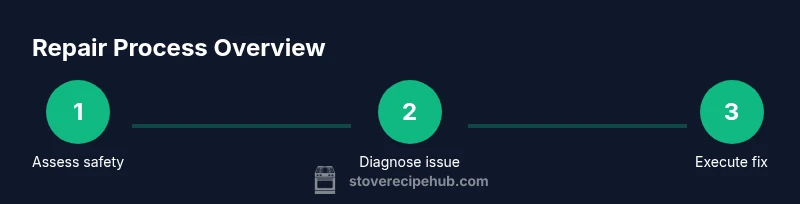
- Power down, unplug, and allow the unit to cool completely before touching any components. This protects you from shock and burns. 2) Remove the ash and inspect the burn pot for cracks or excessive clinker; clean with a nylon brush and a non-metal scraper. 3) Inspect the igniter: look for visible wear and test continuity with a multimeter; replace if readings are out of spec. 4) Check the auger and feed mechanism: ensure the auger turns smoothly and the feed tube is clear of debris. 5) Inspect gaskets and door interlocks for wear or gaps; replace worn seals to restore proper airtight operation. 6) Examine venting and chimney for obstructions or heavy creosote buildup; clear passages and verify seals. 7) Reassemble, load fresh pellets, and perform a controlled test run while monitoring for smoke, odor, unusual noises, or poor ignition. A calm, stepwise approach reduces risk and improves odds of a successful fix.
Common fixes you can perform safely at home
- Clean the burn pot, ash tray, and heat exchanger tubes to restore airflow and efficient combustion. - Inspect and replace worn door gaskets and seals; air leaks reduce ignition reliability and increase ash buildup. - Clean the pellet hopper feed path and check the auger for obstructions; ensure pellets flow freely. - Verify venting is unobstructed and correctly angled to prevent backflow of exhaust. - Test ignition by confirming the igniter glows and flame establishes quickly; replace if the element is cracked or burns improperly. - Use high-quality pellets and consistent pellet size to minimize clogs and ash accumulation. - Keep the stove area clear of dust and debris that could interfere with sensors and fans. - After any fix, run the stove for at least 20–30 minutes to observe stable flame behavior and exhaust temperatures.
When to call a professional and choosing service
Not every pellet stove issue is safe or economical to fix on your own. If there is a persistent gas smell, strong smoke, or signs of a gas leak, vacate the area and call emergency services. If the ignition fails repeatedly after basic repairs, if the stove overheats, or if you encounter a cracked heat exchanger or damaged vent components, it is advisable to contact a licensed technician. When selecting a service, look for a company with pellet stove experience, solid safety credentials, and clear warranty terms. Request a written assessment, confirm parts availability, and ask for a ballpark estimate before work begins. The right professional will verify safety interlocks, test the venting system, and provide a thorough post-repair performance check.
Cleaning, testing, and long-term care to prevent future failures
Prevention is easier than repeated repairs. After repairs, commit to a routine that includes monthly ash removal, quarterly venting inspection, and seasonal deployment checks before heating season. Clean the burn pot, heat exchanger surfaces, and interior surfaces using a soft brush and a vacuum designed for ash. Check door seals and gaskets for compression and replace as needed. Keep the burn pot area free of dust and monitor the flame for consistent blue coloration indicating proper combustion. Use only manufacturer-recommended pellets to reduce ash and clinker formation. Finally, document any maintenance tasks and keep spare parts on hand so that a minor issue remains a simple fix next season. This proactive approach, guided by Stove Recipe Hub principles, improves performance and safety over time.
Authority sources
For further reference and safety guidelines, consult reputable sources on home heating and stove maintenance:
- https://www.energy.gov
- https://www.osha.gov
- https://www.nfpa.org
Tools & Materials
- Heat-resistant gloves(Leather or aramid fiber preferred; protects hands during ash handling and hot surfaces)
- Safety glasses(Side protection required; keep eyes safe from debris)
- Dust mask or respirator(Protects from fine ash and particulates)
- Shop vacuum with HEPA filter(For clean removal of ash and small debris)
- Stiff nylon brush(Soft enough not to scratch parts; good for crevices)
- Putty knife or plastic scraper(Non-metal to avoid damaging parts)
- Phillips head #2 screwdriver(Common fasteners on pellet stoves)
- Flat-head screwdriver(Used for prying and adjusting)
- Multimeter(Test igniter and sensor wiring continuity)
- Replacement parts kit(Have ignition element and auger motor on hand if compatible with your model)
- Flashlight or headlamp(Illuminates tight passages and vent paths)
- Old towels or drop cloth(Contain debris and protect floors)
Steps
Estimated time: 1-2 hours
- 1
Power down and secure
Power off the stove at the wall outlet and unplug the unit. Allow the stove to cool completely before handling any internal parts. Remove fuel from the burn pot and placement near the stove to prevent spills during inspection.
Tip: Always verify power is removed from both the wall switch and any nearby breaker. - 2
Clean burn pot and ash tray
Using a nylon brush, remove ash buildup and clinker from the burn pot and ash tray. Inspect the burn pot for cracks or warping and replace if compromised. Wipe down surrounding heat exchanger areas to maintain efficient airflow.
Tip: Do not use metal tools that could damage the burn surface. - 3
Inspect ignition system
Visually inspect the igniter for signs of wear, cracks, or burns. Use a multimeter to check continuity according to the manufacturer guide. Replace the igniter if continuity is out of spec or the element is visibly damaged.
Tip: Handle the igniter with care and avoid touching the heating element with bare hands. - 4
Check auger and feed path
Remove the auger access panel and rotate the auger manually to ensure it turns freely. Clear any pellets or debris from the feed tube and verify movement without obstruction. Reinstall the panel securely before testing.
Tip: If the auger binds, inspect the shaft for damage or misalignment and replace as needed. - 5
Inspect gaskets and door interlocks
Carefully inspect door and ash door gaskets for tears, flattening, or gaps. Check interlock switches to ensure they disengage when doors are opened. Replace worn gaskets and test seal integrity after reassembly.
Tip: A poor seal causes draft leaks and inefficient combustion. - 6
Examine venting and flame path
Inspect vent joints for corrosion, blockages, or loose connections. Clear creosote buildup with a brush and check that vent elbows are properly sealed. Ensure the chimney path has no kinks or restrictions that could backdraft exhaust.
Tip: Avoid over-tightening vent connections; use manufacturer-recommended seals. - 7
Test run and verify performance
Reassemble all components, reload pellets, reconnect power, and run the stove under normal conditions. Observe ignition, flame color (blue indicates proper combustion), and exhaust temperature. Listen for abnormal sounds and watch for smoke or odor.
Tip: Document readings and any irregularities to compare against future maintenance.
Common Questions
Is fixing a pellet stove safe for a DIY homeowner?
Basic maintenance and simple fixes can be safe for a competent homeowner who follows safety protocols, but certain repairs involve electricity, gas, or heat exchange components. Always power down and consult the manual before starting, and know when to stop and call a professional.
DIY fixes are possible for simple tasks if you follow safety steps, but know your limits and call a pro for gas or structural issues.
What are the most common pellet stove failures?
Ignition problems, auger jams, bent or clogged venting, and heavy ash buildup are among the most frequent issues. Diagnosing which subsystem is affected helps target maintenance or part replacement quickly.
Most troubles come from ignition, feeding, venting, or excessive ash buildup.
How do I know when to replace parts rather than repair?
If a component shows visible damage, wear beyond tolerances, or continues to fail despite proper cleaning and adjustments, replacement is often more reliable than repeated repairs. Always verify part compatibility with your stove model.
If a part is worn or fails repeatedly, replacing it is usually best.
What tools are essential for pellet stove repair?
A basic toolkit plus a clean vacuum, multimeter, and replacement parts kit cover most DIY repairs. Always reference the model’s manual for model-specific tools and torque specs.
A screwdriver set, multimeter, vacuum, and a replacement parts kit usually cover common fixes.
How often should I clean a pellet stove?
Clean the burn pot and ash tray monthly during heavy use, with a deeper vent inspection seasonally. A light, regular maintenance habit prevents major malfunctions.
Clean regularly—monthly burn pot cleaning and seasonal vent checks prevent big problems.
Can pellet quality affect stove performance?
Yes. Poor quality pellets can cause ash buildup, clinker formation, and inconsistent ignition. Always use recommended pellet types and sizes for your stove.
Lower quality pellets can lead to more ash and clogs, so stick to recommended brands.
Watch Video
Top Takeaways
- Prioritize safety and power-off before any work
- Map symptoms to subsystems for accurate diagnosis
- Keep the workspace clean and organized
- Test after each fix and document results
- Know when to call a professional