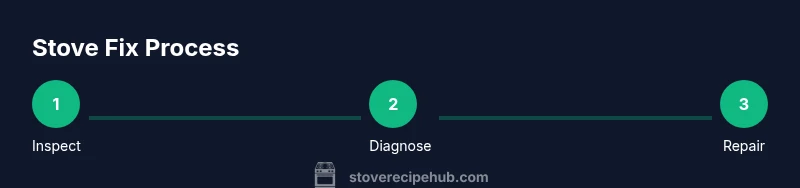
Fix Stove: Safe, Step-by-Step Guide for Home Cooks
A practical, expert guide to diagnosing and safely fixing common stove issues on the stove-top. Learn when to repair, how to diagnose, essential tools, and maintenance tips for gas, electric, and glass-top stoves.


You will learn how to diagnose common stove issues, decide when to fix stove vs replace, and perform safe, basic repairs on gas and electric stoves. Before you begin, turn off the power and gas supply, unplug the appliance, and gather basic tools. This guide helps you fix stove problems quickly and safely.
Understanding why you might need to fix stove
Stoves are central to daily cooking, and small problems can quickly disrupt meal prep. You may decide to fix stove issues when symptoms are limited to a single burner, ignition inconsistencies, or minor heat irregularities. The decision hinges on safety, availability of replacement parts, and your comfort with basic repairs. According to Stove Recipe Hub, a careful approach—starting with a clear diagnosis and using proper safety steps—reduces risk and increases the likelihood of a successful repair. Home cooks should weigh whether a fix preserves energy efficiency, maintains safety standards, and extends the stove’s life. Remember, a fix is not always the best option; sometimes replacement is a more cost-effective or safer path if components are worn or safety features fail.
This section lays the groundwork by clarifying what constitutes a repair-worthy issue and what signs indicate more serious problems that require professional help. Common symptoms like uneven heating, a burner that won’t ignite, or a weak flame can have straightforward causes (grease buildup, a dirty igniter, or misaligned caps) or point to electrical or gas-system issues that demand caution. By understanding the scope of fixes, you’ll plan more effectively and reduce unnecessary disassembly.
Safety first: electrical hazards, gas leaks, and proper shutdown procedures
Safety governs every step when you fix stove. Always begin by shutting off power—unplug the unit and, if feasible, switch off the circuit breaker. For gas stoves, shut off the gas supply at the valve before you touch any internal components. Never operate a stove if you smell gas, hear hissing sounds, or notice sparking from exposed wires. Keep solvents, cleaners, and fuel sources away from ignition sources. When in doubt, pause and call a licensed technician. This conservative approach minimizes the risk of fire, electric shock, or gas leaks during diagnostic work. Stove Recipe Hub emphasizes that working with gas lines or high-voltage components requires specialized training and equipment; do not improvise in these areas. Safety is the foundation of any repair plan and often saves money and health in the long run.
Diagnosing the issue: symptoms and likely causes
Start with the symptom you observe. If the burner won’t light, inspect the ports for clogs and verify the igniter spark. A weak or intermittent flame may indicate dirty ports, misaligned caps, or fuel delivery problems. Electric coils that heat slowly or unevenly often point to damaged connectors or loose wiring behind access panels. Glass-top stoves can suffer from grease buildup on the heating element, which insulates heat. Distinguish between cleaning needs and mechanical failures by testing after a thorough wipe-down and a careful ignition attempt. Documenting each symptom helps you decide whether to proceed with cleaning, replacement, or professional service.
Tools, replacements, and when to buy parts
Before you start, assemble a minimal kit and the right replacement parts. Essential tools include screwdrivers (Phillips and flathead), needle-nose pliers, a multimeter for electrical checks, and a non-contact voltage tester to ensure power is truly off. Cleaning supplies (soft cloths, degreaser, mild detergent) are essential for grease and residue. Replacement parts may include igniters, burner caps, knobs, drip pans, and burner bases—match parts to your stove model or compatible generic parts. Keep spare fasteners and a magnet to recover dropped screws. For glass-top stoves, use a non-abrasive cleaner and a proper scraper. Only replace components that show clear fault to avoid unnecessary expense and risk.
Cleaning vs repairing: how to know if a fix is mechanical or cleaning
Many stove problems originate from grease, food debris, or mineral buildup rather than broken hardware. A deliberate cleaning can restore performance in many cases. Begin with a warm, soapy wash on exposed surfaces and apply a degreaser on stubborn residues. For gas stoves, ensure gas ports are free of obstructions and the flame looks even. If cleaning does not resolve the symptom, proceed to mechanical checks, such as testing wiring connections and checking valve operation. Electric stoves often require inspection of wiring and the terminal block behind access panels. When a loosened knob or misaligned burner is the culprit, that’s typically a quick mechanical fix rather than a major repair.
Replacing a faulty igniter or burner cap
Igniters and burner caps are common points of failure. Begin with power and gas shutdown, then remove the burner cap to inspect the igniter for cracks or soot buildup. A clean, lightly brushed igniter can sometimes restore ignition; however, visible cracks usually require replacement with an OEM or compatible part. For gas burners, confirm that ports are clear and that the cap seats correctly. Reassemble in the proper orientation and test ignition. If ignition remains weak, check the control module and wiring harness, or proceed to a professional assessment to avoid unsafe conditions.
Common problems by stove type: gas, electric coil, glass-top
Gas stoves often show ignition or flame stability issues; clogged ports or worn igniters are frequent culprits. Electric coil stoves may lose heat due to damaged coils or loose connections; examine the coil, terminal block, and wiring. Glass-top stoves can suffer from hotspots or surface cracks, where grease can mask heating problems. Induction stoves require a working coil and compatible cookware; if the coil is damaged, professional service may be best. Always use manufacturer-specified cookware and follow safety guidance when diagnosing or repairing to avoid damage or personal injury.
Maintenance tips to reduce future fixes
Preventative care keeps your stove performing reliably. Wipe spills promptly to prevent residue buildup that traps heat and causes uneven performance. Schedule periodic cleaning of surfaces, burners, and control panels with non-abrasive products, and inspect essential components monthly. Keep knobs free of grease and confirm that wiring connections remain tight during routine checks. Use a soft brush to dislodge debris from ventilation areas and run ignition tests after cleaning. A routine maintenance mindset reduces unexpected outages and extends the life of your stove.
Before you call a pro: questions to ask and cost considerations
If repairs exceed simple cleaning or minor adjustments, consider hiring a professional. Prepare a short problem log, list symptoms, note any part numbers you’ve found, and provide recent maintenance history. Ask about service-call fees, parts availability, and whether a repair comes with a warranty. If the expected repair cost is close to or higher than replacing the appliance, request an itemized estimate before proceeding. Above all, prioritize safety: if you smell gas or fear a dangerous condition, evacuate and contact emergency services. The Stove Recipe Hub approach favors cautious, informed decisions and professional guidance when needed.
Tools & Materials
- Safety gear (heat-resistant gloves and eye protection)(Essential for handling hot components and sharp edges)
- Non-contact voltage tester(Verify power is off before touching wiring)
- Multimeter(Use to check continuity and resistance in electrical paths)
- Screwdriver set (Phillips and flathead)(Carry a magnetized set if possible to retrieve small screws)
- Pliers and needle-nose pliers(Useful for gripping, bending, and disconnecting connectors)
- Replacement parts (igniter, burner caps, knobs, drip pans)(Match parts to model or ensure compatibility)
- Cleaning supplies (soft cloths, degreaser, mild detergent)(For routine cleaning and residue removal)
- Flashlight(Aids inspection of ports and wiring behind panels)
- Soap solution or leak-detection soap(Check for gas leaks safely when required)
Steps
Estimated time: 60-120 minutes
- 1
Assess the symptom
Identify whether the issue is ignition, heat, or control-related. Observe patterns across multiple burners to decide if the fault is localized or systemic.
Tip: Document symptoms with notes or photos to guide later checks. - 2
Shut down power and gas
Turn off the electrical power at the breaker and close the gas valve before touching any components.
Tip: Never work on live electrical parts or open gas lines. - 3
Inspect and clean the area
Remove burner caps, wipe grease from contact points, and clean ports and igniter with a soft brush.
Tip: A light hand is better; avoid saturating parts with cleaner. - 4
Test ignition after cleaning
Reassemble temporarily and test the ignition to see if sparks and flame stabilize.
Tip: If ignition remains poor, proceed to part inspection rather than more cleaning. - 5
Check electrical connections
Inspect wires and the terminal block for corrosion or loose connections.
Tip: Disconnect power before touching any wiring; use a multimeter to verify continuity. - 6
Replace faulty parts
Install a new igniter, burner cap, or knob if visual or functional faults are evident.
Tip: Use OEM or compatible parts and confirm fit before reassembly. - 7
Reassemble and re-test
Put all components back in their correct positions, restore power and gas, and run a full test.
Tip: Listen for consistent ignition and watch for stable flame. - 8
Evaluate performance
Compare heat, ignition speed, and flame stability to baseline expectations.
Tip: If performance is improved but not perfect, monitor for recurrence. - 9
Decide on next steps
If issues persist, consult a professional and discuss warranty, costs, and replacement options.
Tip: Safety first—don’t push through dangerous signs like gas smells or continuous sparking.
Common Questions
What are the most common signs a stove needs repair?
The most frequent signals include burners that won’t ignite, uneven or weak flames, and inconsistent heat. Ignition problems often come from dirty igniters or clogged ports, while heat irregularities may indicate damaged coils or wiring. If you notice a gas odor, evacuate and call emergency services.
Common signs are burners that won’t light, uneven flames, or weak heat. If you smell gas, evacuate and call emergency services immediately.
Can I fix a stove myself, or should I hire a pro?
Simple cleaning, tightening loose knobs, and replacing clearly faulty parts can be done by a confident DIYer with proper safety. For gas leaks, electrical hazards, or uncertain issues, hire a licensed technician. Complex problems or those involving gas lines should never be DIY-ed.
You can handle basic cleaning and small part replacements if you’re careful. For gas issues or electrical work, hire a licensed pro.
How often should I perform stove maintenance?
Perform light cleaning weekly and more thorough inspections monthly. Routine checks help catch wear before it becomes a failure and support long-term safety and efficiency.
Do light cleaning every week and a deeper check every month to prevent problems.
Is it safe to use cleaning products on glass-top stoves?
Yes, as long as you use non-abrasive cleaners and avoid scrapers that can scratch the surface. Follow the manufacturer’s guidance for any coatings or special treatment.
Use non-abrasive cleaners and avoid metal scrapers on glass-top stoves.
What should I do if I smell gas while cooking?
Immediately turn off the appliance, open windows for ventilation, do not use electrical switches, and exit the home. Call your gas company or emergency services from outside if the odor persists.
If you smell gas, switch off the appliance, leave the area, and call for help from outside the home.
Watch Video
Top Takeaways
- Identify symptom and scope before touching components
- Always prioritize safety: power off, gas off, and ventilate
- Clean first, then replace only faulty parts
- Document symptoms to guide diagnosis and parts selection
- Know when to call a pro for complex or hazardous issues