How Often to Clean a Pellet Stove in 2026: A Practical Maintenance Guide
Learn how often to clean a pellet stove with clear daily, weekly, monthly, and seasonal schedules. Includes safety tips, practical steps, and a data-driven maintenance plan from Stove Recipe Hub.


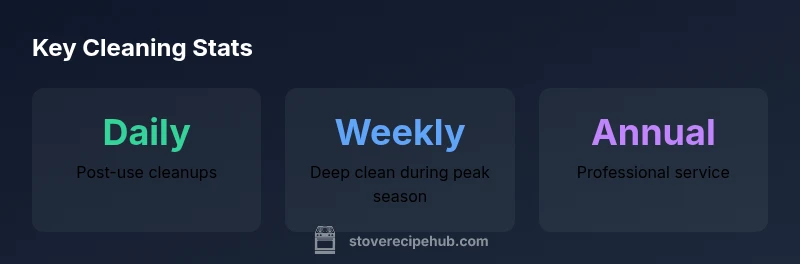
Pellet stove maintenance follows a simple rhythm: basic daily cleanups after each burn, a deeper weekly clean during peak season, and a full professional service once per year. Empty the ash bin regularly, inspect the burn pot, and check vents. Align this schedule with pellet quality and home usage for optimal safety and efficiency.
Understanding Pellet Stove Cleaning: Why Frequency Matters
Pellet stoves deliver consistent heat by burning pellets cleanly, but that cleanliness is built on routine maintenance. Frequency matters because ash and creosote form differently depending on pellet quality, burn rate, and venting integrity. According to Stove Recipe Hub, a disciplined cleaning rhythm reduces efficiency loss, minimizes smoke emissions, and extends the life of moving parts. In practice, most homes benefit from three tiers of cleaning: daily basics, weekly deeper tasks, and periodic checks that align with seasonal use. This section breaks down the logic behind these frequencies and offers a practical framework you can adapt to your heating schedule and pellet type.
- Daily basics: After each heating cycle, remove any visible ash from the burn pot area, brush the pot lip, and do a quick interior sweep with a HEPA vacuum if you have one. This keeps flame quality steady and prevents small clogs from forming.
- Weekly deeper cleaning: When the stove is actively heating, schedule a deeper interior clean that includes the burn pot, air-wash jets, and accessible heat-exchanger surfaces. Check the glass for buildup and wipe away any soot.
- Seasonal alignment: As you transition to shoulder seasons or seasonal pellet changes, adjust the cadence to ensure the vent and hopper are ready for the next heating phase. Small changes in pellet moisture or quality can influence how often you need to clean.
Daily and Weekly Tasks: What to Do Regularly
After you finish a heating session, let the unit cool completely before handling interior components. Start with the ash pan: empty and wipe it clean to prevent ash compaction. Inspect the burn pot for clinker buildup; a light tapping with a wooden tool can help loosen any hardened pellets. Vacuum the interior surfaces around the firebox to remove fine dust that can degrade combustion. Check the door and gaskets for gaps or wear; a loose seal can reduce efficiency and cause smoke leakage. Finally, inspect the venting exterior for any visible obstructions.
Weekly, extend your routine: remove the burn pot for a thorough scrape, clean the air-wash channels, and wipe down the heat exchanger exterior if accessible. Use a damp cloth for the glass panel if the stove has a viewing window, and avoid cleaners that leave residue. If your pellets produce more ash, consider increasing suction power on your vacuum slightly to minimize marred surfaces. Regular micro-checks like these keep the stove performing at peak efficiency.
Monthly Maintenance: Deeper Cleaning Routines
Once a month, perform a deeper cleaning that focuses on areas you can't reach weekly: the heat exchanger passages, the ID fan (if applicable), and the flue inlet area. Start by turning off the stove and letting it cool. Remove the ash pan and vacuum the hopper area if the design allows. Clean the burn chamber with a dry brush to remove clinker and ensure good airflow. Inspect the auger tube for signs of wear or pellet dust accumulation. Clean any ash from the secondary air tubes to prevent blockages. Check the electrical connections for signs of corrosion or loose wires. If your stove has a cyclone separator or air-wash system, inspect and clean per manufacturer guidelines. Finally, dust and wipe external surfaces, including the vent cap or chimney adaptor. Document any wear you observe and plan for replacement parts if needed.
Seasonal Deep Clean: Scheduling Professional Service
Seasonal deep cleaning includes a professional inspection of the chimney/vent system, door seals, and electronics. Schedule this service at the start or end of the heating season, depending on your usage pattern. A qualified technician will check the flue for creosote buildup, verify draft and venting configuration, and test safety switches, including CO alarms if applicable. They will inspect gaskets for cracking or hardening and confirm that the feed system operates smoothly. A thorough cleaning of the heat exchanger and blower assembly may be performed to restore airflow. While DIY cleaning is appropriate for frequent, light tasks, the professional service covers components you can't safely access or correctly judge, such as the exhaust path and control boards. Having a service logged in your maintenance calendar helps catch problems early and preserves warranty coverage where applicable.
Factors That Change Cleaning Frequency
Your cleaning cadence should respond to several factors:
- Usage level: Higher burn rates produce more ash, requiring more frequent cleaning.
- Pellet quality and moisture: Damp or low-quality pellets create more clinker and dust that foul surfaces faster.
- Venting condition: A clean, unobstructed vent reduces required cleanings, while cramped or partially blocked vents increase residue.
- Home environment: Homes with pets or high dust will accumulate more ash and dust in the stove interior; kitchens with strong air currents can also affect performance.
- Stove design and technology: Modern pellet stoves with enhanced air-wash and self-cleaning features may reduce some tasks, while older models may need more hands-on maintenance.
Adapting your cadence to these factors helps balance effort with performance. Stove Recipe Hub’s data suggests that many households find the baseline is daily basics plus weekly deep-clean during peak months, with annual professional checks to stay safe and efficient.
Safety Considerations and Best Practices
Always shut off and unplug the stove before any internal cleaning. Wear protective gloves and a dust mask to avoid inhaling fine ash. Use a HEPA-rated vacuum or a dedicated ash vacuum to minimize airborne particles; never use a regular household vacuum that could be damaged by fine ash. Dispose of ash in a metal container with a lid; ash can stay hot for hours and ignite placed nearby combustibles. Keep children and pets away from the work area. Follow manufacturer’s guidelines for heat exchanger cleaning and gasket replacement, and install and maintain CO detectors for safety. When in doubt, contact a qualified technician rather than attempting risky disassembly. These practices minimize fire risk and protect your home environment.
How to Log and Track Your Cleaning Schedule
Create a simple log using a notebook or digital note. Record cleaning dates, pellet type, and observations about flame color, ash volume, and any unusual noises. Establish triggers that prompt extra maintenance, such as 'after 50 bags burned' or 'pellet price changes' if you tend to switch pellet brands. Review the log at the end of each month to adjust your cadence for the upcoming season. This routine not only helps you stay consistent but also provides evidence if warranty or service is needed. A well-kept log is a practical tool for long-term reliability of your pellet stove.
Pellet stove cleaning frequency guide
| Task | Recommended Frequency | Notes |
|---|---|---|
| Ash bin emptying | Daily during heavy use; weekly otherwise | To prevent ash build-up and airflow obstruction |
| Burn pot cleaning | Every burn or daily during heavy use | Keep combustion efficient and consistent |
| Vent/chimney sweep | Annually or after several tons of pellets burned | Remove creosote and improve draft |
| Door gasket inspection | Seasonally or after long idle | Ensure a tight seal |
Common Questions
How often should I clean the burn pot?
Clean the burn pot after every burn or at least daily during heavy use to prevent clogs and uneven flame.
Clean the burn pot after each use to maintain efficient combustion.
Is an annual service necessary?
Yes. A professional inspection once per year helps verify seals, venting, and electronics are functioning correctly.
Yes, schedule a yearly professional check.
What about the ash pan?
Empty ashes daily or as soon as the pan fills; keeping it clean ensures proper airflow and reduces odor.
Empty the ash pan daily or when full.
Should I clean the chimney myself?
Chimney and vent cleaning should be performed by a qualified professional; DIY cleaning can be dangerous and ineffective.
Chimney cleaning is best left to professionals.
How can I tell if I’m over-cleaning?
If you’re cleaning more than once per day without a change in fuel type or load, review pellet quality and airflow for issues.
If you’re cleaning too often, check pellet quality and airflow.
What tools do I need?
A HEPA vacuum, small brush, ash pail, and heat-resistant gloves are sufficient for routine maintenance.
Have a vacuum, brush, and gloves on hand.
“Regular, properly timed cleaning is the foundation of safe, efficient pellet stove operation. A consistent schedule reduces creosote buildup and prevents airflow problems that can affect performance.”
Top Takeaways
- Start with daily post-use cleanups.
- Increase cleaning frequency with higher pellet consumption.
- Schedule an annual professional service.
- Keep ash pan and burn pot clean to maintain efficiency.
- Log cleaning dates to track maintenance.