How Often to Clean Pellet Stove Vent Pipes: A Practical Guide
Learn how often to clean pellet stove vent pipes, how to inspect for buildup, and a safe, step-by-step routine to keep your system burning cleanly and safely.


According to Stove Recipe Hub, a practical baseline is to perform a light cleaning of the pellet stove vent pipe monthly during heavy heating seasons and a thorough professional inspection annually. The frequency may adjust with usage, fuel quality, and vent configuration. Cleanings should focus on removing creosote, inspecting seals, and verifying proper airflow to prevent backdrafts and unsafe buildup. This quick guideline helps you plan a safe, efficient season.
Why cleaning the pellet stove vent pipe matters
If you rely on a pellet stove for heating, the vent pipe is a critical path for exhaust. How often to clean pellet stove vent pipe is a common question, and the answer depends on usage, fuel quality, and vent configuration. The Stove Recipe Hub team notes that regular vent maintenance reduces creosote buildup, lowers the risk of backdraft, and helps maintain efficient heat transfer. Buildup can restrict airflow, causing the stove to run hotter, waste fuel, and potentially ignite creosote in the chimney. During cold snaps, gaskets and seals may shift, enabling more moisture and ash to enter the vent; regular cleaning helps catch signs early. In this article we’ll cover recommended frequencies, how to inspect, and a safe, repeatable routine you can rely on each season. We’ll also discuss when to call a pro and how to document service for warranties. For readers who want a quick answer, know that cleaning should be part of a regular maintenance calendar; plan a light clean monthly during heavy use, and a thorough annual check, with interim inspections after long burns. The goal is to keep your vent clear so your pellet stove burns cleanly, efficiently, and safely.
How dirt and creosote form in pellet stove vent pipes
Pellet stove vent pipes carry hot, moist exhaust that cools as it travels, which creates a conducive environment for creosote to form on interior surfaces. Creosote is a flammable resin that can ignite if it reaches a critical thickness or if the system overheats. The main sources are unburned fuel particles, incomplete combustion, and moisture from combustion byproducts. Over time, ash and soot accumulate, especially in horizontal runs and elbows where air velocity slows. A dirty vent reduces draft, making the stove work harder and increasing fuel use. Regular inspection during maintenance helps detect early signs: a stale smell, wisps of smoke around the vent, or a dark, tar-like coating on accessible sections. If you see this buildup, plan a cleaning sooner rather than later. Remember, creosote thickness isn’t the only risk—damaged gaskets, degraded seals, or misaligned piping can allow exhaust leaks that degrade indoor air quality. Keeping the vent clear improves efficiency and reduces the chance of chimney fires.
Factors influencing cleaning frequency
Several factors determine how often you should clean the vent pipe. First, usage: higher burn hours mean more buildup and more frequent cleanings. Second, fuel quality: low-grade pellets produce more ash and fines that accelerate deposit formation. Third, vent design: long horizontal runs and multiple elbows trap more creosote than straight, vertical configurations. Fourth, stove model and age: older units and non-CCC-compliant models may accumulate more deposits. Fifth, local climate and humidity can influence condensation and corrosion, affecting how quickly materials deteriorate. Finally, maintenance history matters: a well-documented cleaning schedule reduces risk and improves safety. Based on Stove Recipe Hub analysis, households with heavy use often clean monthly during peak heating and at least once per season for light use, while a thorough annual professional inspection remains prudent for most setups. Your goal is steady airflow, clean combustion, and predictable performance rather than reactive cleaning.
Safe, stepwise approach to inspection and cleaning
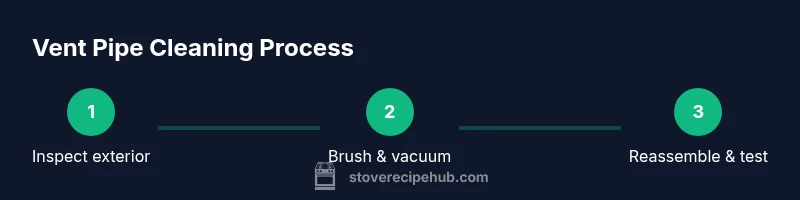
A safe approach starts with turning off the stove and letting all components cool. Before you touch the vent pipe, verify power is off to any electric controls and disconnect the stove’s electrical supply if needed. Inspect exterior piping for rust, loose joints, or damaged insulation. Inside, look for thick creosote buildup, warped elbows, or signs of moisture intrusion. Use a vacuum with a hose attachment to collect loose debris, then gently brush the interior surfaces with a long-handled vent brush. For stubborn deposits, a damp cloth with mild detergent is acceptable on fiberglass or metal components that won’t corrode. Do not use water to soak the pipe for long periods. After cleaning, reassemble carefully and perform a test burn outside the normal power cycle to confirm safe venting. Finally, recheck seals and gaskets and update your maintenance log.
Building a practical maintenance calendar
To keep you on track, set a calendar with clear reminders. Use a monthly light clean during heavy heating weeks, a more thorough mid-season inspection every 3-4 weeks, and a full professional inspection at least once per year. Attach inspection notes, including any creosote thickness observed, any signs of corrosion, and the condition of joints and seals. Use a simple log or digital reminder to track dates, findings, and actions taken. If you burn different pellet brands, note performance changes and ash behavior so you can adjust cleaning frequency. This calendar helps you stay proactive and reduces the risk of unexpected outages. The aim is predictable performance and safer operation, not rushed, last-minute scrambles.
Common mistakes and safety tips
Common mistakes include delaying cleaning after sensing odor or poor draft, failing to cool components, and ignoring small signs of moisture intrusion. Safety tips include wearing gloves, eye protection, and a respirator when dealing with ash and creosote. Always work in a well-ventilated area and avoid leaning over the vent while cleaning. Do not loosen joints with excessive force; avoid bending pipes near joints to prevent leaks. Most importantly, never operate the stove during cleaning; reassemble only after a full inspection confirms safe venting conditions. If you’re unsure, consult the owner’s manual or contact a professional service.
Troubleshooting signs that require prompt attention
If you notice smoke in the room, unusual odors, or a sudden drop in stove performance, treat it as a red flag. A persistent backdraft, heat at the vent cap, or a hooded or smoky exhaust indicates potential vent blockages or leak paths. Excessive creosote buildup is not just an efficiency issue; it increases fire risk. In such cases, stop using the stove, ventilate the area, and schedule a professional inspection. Keep a simple log of symptoms and timing to help the technician diagnose quickly. Regular cleaning reduces the likelihood of these events.
Keeping records and knowing when to call a pro
Document every cleaning with date, tasks performed, and observed conditions. This helps with warranties and resale, and it provides a clear maintenance history for future homeowners. If the vent shows heavy creosote, corrosion, or damaged joints, it’s wise to contact a certified technician for a thorough cleaning and possible pipe replacement. Pro cleaning may involve pressure washing or specialized equipment when deposits are stubborn or pipe sections are difficult to access. The Stove Recipe Hub team recommends erring on the side of caution and scheduling professional checks for complex vent configurations or aging systems.
Tools & Materials
- Screwdriver set(Phillips and flat-head, both small and large)
- Shop vacuum with hose attachment(For loose debris and ash collection)
- Vent brush kit (long-handled)(Sized for your pipe diameter (commonly 3-4 inches))
- Long-handled stiff brush(Use gently to avoid damage to pipe seams)
- Nitrile gloves(Protect hands from ash and creosote)
- Respirator or dust mask(Few breaths of fine ash are unpleasant)
- Safety glasses(Eye protection from debris)
- Drop cloths or old towels(Contain debris around cleaning area)
- Flashlight(Inspect dark vent interiors)
- Bucket with mild detergent and water(For light interior cleaning if surfaces allow)
- Foil tape and metal clamps(Repair minor joint leaks after cleaning)
- Replacement gaskets(Upgrade worn seals if found)
Steps
Estimated time: 60-90 minutes
- 1
Turn off and cool
Power down the stove, unplug controls if possible, and allow the unit to cool completely (at least 30 minutes). This reduces burn risk and prevents accidental ignition of loose creosote.
Tip: Wear gloves and safety glasses from the start. - 2
Open access panels and inspect
Open the panels to access the vent run. Look for obvious corrosion, loose joints, or signs of moisture intrusion alongside the vent path.
Tip: Use a flashlight to examine elbows and horizontal sections. - 3
Disconnect vent sections if accessible
If pipe sections are removable, carefully disconnect the sections that are reachable to expose interior surfaces for cleaning.
Tip: Support sections to avoid bending seals. - 4
Vacuum loose debris and brush deposits
Use the vacuum to collect ash while brushing interior surfaces with a vent brush. Avoid aggressive scraping that could damage joints.
Tip: Keep the vacuum running while brushing to prevent settled dust from becoming airborne. - 5
Wipe and rinse where appropriate
For metal interiors, a damp cloth with mild detergent can remove stubborn grime. Do not saturate pipes; excess moisture can cause corrosion.
Tip: Limit moisture exposure on exposed joints. - 6
Reassemble and inspect joints
Reconnect any disconnected sections and tighten joints. Check for gaps and ensure seals are intact.
Tip: Use foil tape only on clean, dry surfaces. - 7
Test burn and verify airflow
Light a test burn in a well-ventilated area and observe exhaust flow. Look for steady, non-smoker venting and no unusual odors.
Tip: If you see backdraft or smoke, stop and reassess the vent alignment. - 8
Document results and schedule next cleaning
Record date, observations, and any joint issues. Set a reminder for the next clean per your calendar.
Tip: Keep a simple log—dates, observations, actions taken.
Common Questions
How often should I clean the vent pipe for a pellet stove?
In general, plan a light clean monthly during peak heating and a thorough professional inspection once per year. Increase frequency if you burn longer hours or notice odors, smoke, or poor draft.
Most homes should clean monthly during heavy use and have at least one yearly professional check. Increase frequency if you notice odors or backdraft.
Can I clean the vent pipe while the stove is off?
Yes. Ensure the stove is completely powered down and cooled before starting. Remove loose debris with a vacuum and brush with gentle strokes.
Yes, just be sure the stove is cool and powered off before you start.
What should I do if I see creosote buildup during cleaning?
Light creosote can be brushed away; heavy, tar-like buildup may require professional cleaning and possible vent pipe replacement. Do not delay if you see thick deposits.
If creosote is thick or tar-like, call a pro. Don’t try to scrub it away aggressively.
Is it safe to use water on pellet stove vent pipes?
Avoid soaking vent components. Use dry brushing and a lightly damp cloth on non-electrical areas. Excess moisture can promote corrosion.
Don’t soak the vent—use dry brushing and a barely damp cloth where appropriate.
What tools are essential for cleaning the vent pipe?
A vacuum, vent brush, long-handled brush, gloves, respirator, and safety glasses are essential. Have a flashlight for dark interior sections.
Use a vacuum, vent brush, long-handled brush, gloves, and a respirator.
Should I hire a professional every year?
A yearly professional inspection is prudent for most systems, especially older pipes or complex venting configurations. For high-use homes, consider more frequent professional checks.
An annual check is usually wise, especially for older setups; more if you use it a lot.
Watch Video
Top Takeaways
- Establish a regular maintenance cadence
- Prioritize safe, cool-clean procedures
- Document findings to protect warranties
- Use proper tools to prevent pipe damage
- Know when to call a professional