Do You Need to Open a Window When Using a Wood Stove? A Practical Safety Guide
Explore whether you should crack a window when operating a wood stove. This guide covers ventilation, combustion air, CO safety, and practical best practices for safe, efficient heating.


Do you need to open a window when using a wood stove? In most homes, you don’t have to crack a window if your stove has a proper outside air intake and your room has adequate ventilation. If the room is very tight or you notice smoke or odor, briefly open a window or door to improve fresh air and help drafts, while ensuring CO detectors are active.
Understanding combustion air and ventilation
The question many homeowners ask is do you need to open a window when using a wood stove. The short answer depends on how your stove gets its air and how your home circulates air. A modern wood stove often relies on an outside air intake or a well-ventilated room to supply combustion air. When ventilation is adequate, you can maintain efficient, clean burns without creating cold drafts in living spaces. According to Stove Recipe Hub, safe operation starts with establishing reliable air supply, correct draft, and functioning detectors. A tight house benefits from deliberate air supply solutions rather than wide-open windows for heating sessions. In older, draftier homes, you may notice improved flame stability simply by keeping doors closed and letting the stove draw from the room. The Stove Recipe Hub team emphasizes that strong ventilation supports better combustion, reduces creosote buildup, and lowers the risk of carbon monoxide exposure. Understanding your home’s natural air flow will help you decide when an extra breeze is actually beneficial and when it isn’t.
How to assess your home ventilation
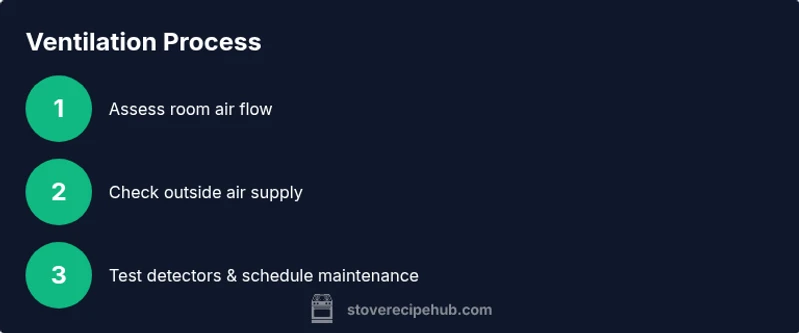
Ventilation quality isn’t a single number; it’s a interplay between room air changes, air leaks, and the stove’s air intake design. Start by checking whether your stove uses a dedicated outside air intake. If not, assess whether the living area provides enough fresh air without creating drafts. Look for predictable drafts at doors or windows when the stove is burning, which can indicate imbalanced room air. Ensure you have a properly installed carbon monoxide detector in the living space and another near sleeping areas. Stove Recipe Hub recommends testing detectors monthly and replacing batteries as needed. If your house is particularly airtight, you may benefit from an outside air kit or a dedicated vent that feeds combustion air directly to the stove. Regular maintenance and a house-wide understanding of air flow can help you maintain safe, efficient burns across seasons.
When to open windows: practical guidelines
Opening a window is sometimes the simplest way to supply fresh air, but it can also waste heat and cool your home. Use window openings judiciously and only as a temporary aid. If you choose to open a window, do so briefly—just enough to improve air supply during the initial burn or after a long period of heavy use. In mild weather, cracking a window for 5–15 minutes can help normalize draft and reduce odors. In very cold weather, rely on a properly sized outside air intake kit rather than a constant window opening. If you notice persistent smoky smells, check for creosote buildup, improper damper settings, or blocked flues. Always keep CO detectors active and accessible, and never rely on a window as the sole ventilation strategy. The goal is steady, controlled air supply that supports safe combustion and comfortable room temperatures.
Using outside air kits and vents
Outside air kits deliver combustion air directly to the stove from outside the home, helping to prevent room air from being depleted during a burn. They are especially beneficial in newer, tightly sealed homes or in spaces where doors and windows are frequently closed. Installation typically involves connecting a duct from an exterior wall or vent to the stove’s air intake. Many kits are designed to be discreet and do not affect room aesthetics. When selecting a kit, ensure compatibility with your stove model and local building codes. After installation, test the system by observing the flame quality and ensuring there is a clear draft when the stove is burning. Regular checks for leaks or blockages are essential, and you should schedule professional inspections for complex systems.
Safety considerations: CO detectors, chimney draft, and weather
Safety is the priority when using any wood-burning appliance. Install and maintain CO detectors in living spaces and near sleeping areas, testing monthly and replacing batteries as needed. A functioning chimney with a clean liner and proper damper enhances draft and reduces creosote buildup. Wind and weather can influence draft; if you experience downdraft on windy days, a professional assessment may be required. Keep a fire extinguisher accessible and establish a clear escape plan for your household. Stove Recipe Hub’s guidance emphasizes regular maintenance and adherence to manufacturer instructions for your specific model. By balancing ventilation, equipment maintenance, and vigilant safety practices, you can enjoy warmth with reduced risk.
Maintenance and best practices
Regular maintenance is key to a safe, efficient burn. Schedule an annual chimney inspection to check for creosote buildup, cracks, or obstructions. Keep the area around the stove clear of flammable materials and use a heat-resistant surface pad if needed. Use only dry, seasoned wood to minimize smoke and maximize heat output. Store ashes in a metal container with a tight lid, away from combustibles, until they are fully cold. Finally, document any changes in draft or performance and consult a professional if drafts become inconsistent or you notice unusual odors.
Tools & Materials
- Outside air intake kit for wood stove(Install on new or existing stoves; connects to exterior for combustion air.)
- CO detectors(Place in living area and near sleeping spaces; test monthly.)
- Chimney brush and access tools(Use for annual cleaning to minimize creosote buildup.)
- Smoke detectors(Install in key living areas; test monthly.)
- Heat-resistant gloves(For handling hot components during maintenance.)
- Flashlight (battery backup)(Helpful during inspections or outages.)
Steps
Estimated time: 60-90 minutes
- 1
Inspect ventilation readiness
Survey your living space to identify existing air pathways and note any drafts. Check if the stove has a dedicated outside air intake and ensure the room has basic ventilation. Confirm that detectors are placed correctly and powered. This step sets the foundation for a safe burn.
Tip: Take photos of current vent placements to guide any future updates. - 2
Verify outside air supply installation
If your stove uses an outside air intake, verify that the ducting is clear of obstructions and properly insulated. For stoves without an intake, consider an upgrade or a permanent vent plan for tight homes. A proper setup reduces room air depletion and improves combustion.
Tip: Consult the stove manual or a professional before making changes. - 3
Gather safety gear and detectors
Collect CO detectors, smoke detectors, a metal ash container, heat-resistant gloves, and a flashlight. Ensure detectors have fresh batteries and are mounted according to local codes. This preparation minimizes risk during ignition and ongoing use.
Tip: Test all detectors before lighting a fire. - 4
Prepare wood and fire for steady draft
Use dry, seasoned wood and arrange kindling to promote an even flame. Avoid building a large, fast-burning fire which can create a sudden draft spike. A steady burn helps the stove draw air efficiently and reduces emissions.
Tip: Keep a small portion of kindling dry and ready for quick re-starts. - 5
Light the fire with proper air flow
Open the damper as designed; allow fresh air to reach the fire initially, then adjust once the fire is established. If using an outside air kit, ensure it is delivering air without creating a direct draft across living spaces. Monitor for smoke at doorways or windows and adjust as needed.
Tip: Start with a modest fire and gradually increase as the room warms. - 6
Monitor draft and maintain safety
Observe flame behavior and check that CO detectors remain silent (no alerts). After burning, clean the chimney and dispose of ashes safely. Schedule regular maintenance to keep the system performing safely and efficiently.
Tip: Record any unusual odors or creosote buildup and consult a professional.
Common Questions
Do I always need an outside air supply for a wood stove?
Not always. It depends on your stove model and the home's airtightness. Some stoves use room air, but in tight homes an outside air kit improves combustion and safety. Always follow the manufacturer and local code guidance.
Usually not required, but in sealed homes an outside air kit is safer and improves draft.
What should I do if I smell smoke in the house?
Stop burning, check for obstruction, and ensure the damper is set correctly. If odors persist, extinguish the fire and inspect the chimney for creosote buildup or blockages. Ensure CO detectors are functioning.
If you smell smoke, extinguish the fire and check for blockages; test detectors.
How often should I inspect the chimney?
Have the chimney inspected annually by a qualified professional, especially after heavy burning or if you notice changes in draft. Cleaning and creosote removal reduce fire risk.
Get your chimney inspected yearly and after heavy use.
Can I operate a wood stove in a very cold room without opening a window?
In very cold rooms, an outside air kit is preferred to keep airflow consistent. Briefly opening a window can help, but it reduces heat efficiency. Monitor for drafts and adjust as needed.
In cold rooms, use an outside air kit or a brief window opening as a last resort.
What safety equipment should I have?
Maintain working CO detectors, smoke detectors, a fire extinguisher, and heat-resistant gloves. Keep exits clear and practice a household fire plan.
Have CO detectors, smoke detectors, a fire extinguisher, and gloves ready.
Why is proper ventilation important for wood stove efficiency?
Proper ventilation ensures a steady combustion air supply, reduces creosote buildup, and improves burn efficiency. It also minimizes the risk of harmful gas buildup in the living space.
Good airflow leads to hotter, cleaner burns and safer operation.
Watch Video
Top Takeaways
- Assess your home’s ventilation before lighting a fire.
- Use outside air supply when possible for safety and efficiency.
- Keep detectors serviced and a clear chimney for reliable drafts.
- Open a window briefly only when needed to correct air supply.