How to Use a Wood Stove: A Practical Guide
Learn practical steps to use a wood stove safely and efficiently—wood selection, ignition, airflow control, safety clearances, ash disposal, and chimney upkeep for a warm, secure home.


Learning how to use a wood stove safely and efficiently begins with proper setup, choosing-seasoned firewood, and understanding airflow. This quick answer outlines ignition steps, maintaining a steady burn, safety clearances, ash management, and simple maintenance routines to reduce smoke, improve heat output, and protect your home for year-round comfort and safety.
Why using a wood stove safely matters
Using a wood stove safely is about more than comfort; it reduces fire risk, minimizes smoke, and protects your family. According to Stove Recipe Hub, safe operation starts with proper setup, selecting dry wood, and understanding airflow. The decisions you make before ignition influence heat, efficiency, and overall home safety. By prioritizing clearances, detector placement, and routine maintenance, you can enjoy reliable warmth without compromising safety or air quality.
Selecting and preparing firewood
Quality wood with low moisture is essential for clean burning and steady heat. Choose hardwoods such as oak or maple when available, and store wood off the ground in a dry, ventilated area. Split logs into manageable sizes and stack them to maximize air circulation. Season wood for six to twelve months when possible; freshly cut wood creates more smoke and creosote, which can reduce efficiency and increase risk.
The right starter and ignition method
Use a reliable, safe ignition method. Place a few larger split logs on the bottom, layer with kindling, and add dry tinder pieces. Light from the bottom to establish a strong draft, and avoid accelerants like lighter fluid. Keep a metal bucket of ashes nearby for safe disposal once the fire is established.
Mastering airflow: damper, vents, and burn phases
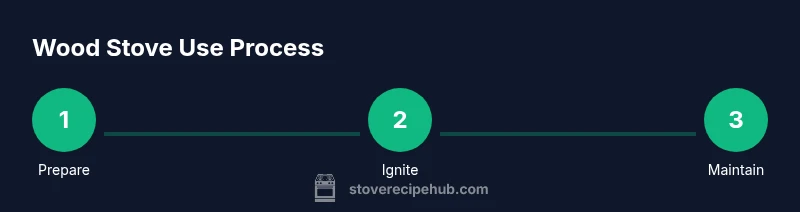
Airflow controls heat, smoke, and burn rate. Start with the damper wide open to establish a fast flame, then gradually close to regulate heat. A typical burn goes ignition → fast burn → steady-state burn. Proper damper adjustment improves efficiency, reduces creosote buildup, and minimizes smoke entering living spaces.
Maintaining a steady burn and heat output
Once the fire is established, add wood gradually to maintain a stable flame. Avoid overstuffing the stove; allow air to circulate between logs. Use the stove’s primary air control or damper to keep heat comfortable without overheating rooms. Periodically check for smoke leakage and adjust as needed for a clean burn.
Safety essentials: clearances, CO alarms, and chimney care
Keep combustible items away from the stove at manufacturer-recommended distances. Install CO and smoke detectors on every level and test them monthly. Have your chimney inspected and cleaned annually or as needed to prevent creosote buildup and chimney fires. Keep a metal bucket for cooled ashes, away from flammable materials.
Ash handling and clean-up routine
Allow the stove to cool before handling ash. Use a metal ash shovel to remove a thin layer of ash daily during heavy use or as needed. Store ashes in a metal container with a lid, away from combustibles. If desired, cooled ashes can be repurposed in the garden as a mineral-rich supplement, following local guidance.
How to extinguish a wood stove safely
To end a burn, gradually reduce air flow and let the fire burn down. Close the damper and allow embers to die down slowly in a controlled manner. Do not dump hot embers into trash bins or onto flammable surfaces; ensure they are fully cooled before disposal.
Seasonal use, storage, and prevention of problems
In shoulder seasons, avoid rapid temperature swings by pre-warming the stove and chimney. Store wood away from exterior walls to prevent moisture intrusion. If you notice creosote odor, excessive smoke, or draft issues, contact a professional. Regular maintenance and safe operation keep your stove reliable year-round.
Tools & Materials
- Firewood (seasoned hardwood)(Dry, with moisture under 20% when possible)
- Matches or lighter(Long-reach, windproof if possible)
- Firestarter (optional)(Natural kindling or commercial starters)
- Fireproof gloves(Heat-resistant leather or silicone)
- Ash shovel(For handling cool ash safely)
- Metal bucket with lid(Used to store cooled ashes away from combustibles)
- Stove thermometer or built-in gauge(Helps monitor temperature)
- Chimney brush and rod kit(For annual cleaning or hire a pro)
- Smoke/CO detectors(Install on every level and test monthly)
- Water spray bottle(For small flare-ups or cooling spark-prone areas)
Steps
Estimated time: 60-90 minutes
- 1
Prepare area and wood supply
Clear the space around the stove and check that the floor surface is noncombustible. Arrange your wood and kindling so logs can be accessed easily without moving hot embers. This setup reduces fumbling during ignition and helps you start safely.
Tip: Keep a metal bucket nearby for ashes and place it on a noncombustible surface. - 2
Inspect and arrange wood
Split logs to a uniform size that fits the stove's loading area. Stack seasoned wood in a way that allows air to circulate. Avoid loading damp or bouncy, round logs that block airflow.
Tip: Seasoned wood burns hotter and cleaner, reducing creosote buildup. - 3
Position starter and tinder
Create a small teepee or log-cock structure with kindling and tinder on top of the larger logs. The arrangement should promote a fast, clean ignition when you light the tinder.
Tip: Avoid using accelerants; they can cause dangerous flare-ups. - 4
Light the fire
Ignite tinder at multiple points to ensure a quick, even start. Keep a safe distance and monitor the flame until the kindling catches. Once the flame builds, gradually add more wood as needed.
Tip: Stand back from the stove during ignition and watch for smoke entering the room. - 5
Establish initial airflow
Open the primary damper fully to establish a strong draft. As flames grow, monitor the burn quality and prepare to adjust the damper for stable heat.
Tip: A strong initial draft helps reduce smoky starts. - 6
Return to steady burn
Once the flame is established, adjust the damper to balance heat and fuel use. Add small amounts of wood at a time to maintain a consistent glow rather than a roaring flame.
Tip: Avoid overloading the stove; air needs to circulate. - 7
Maintain burn and monitor ash
Continue feeding wood gradually and keep the chimney area clear. Periodically inspect for excessive smoke or smells; these indicate draft issues or moisture problems in wood.
Tip: Regularly remove ash to maintain airflow. - 8
Shut down safely
When you’re done, let the fire burn down to embers with the damper mostly closed. Do not dump hot embers into a trash bin; keep them in a metal container until fully cooled.
Tip: Never leave a hot stove unattended for long. - 9
Inspect the chimney after use
Check for creosote buildup or signs of poor draft after a burn. A yearly chimney inspection helps prevent dangerous fires and improves efficiency.
Tip: If you notice glazing or excessive smoke, call a professional. - 10
Store wood and tidy area
Close doors and wipe down the area. Store wood away from walls to prevent moisture transfer and pests. Keep tools organized for next use.
Tip: A tidy workspace reduces accidental scalds and trips.
Common Questions
Is it safe to burn trash in a wood stove?
No. Burning household trash releases toxic pollutants and can cause chimney fires. Only burn approved wood and natural, clean fuel.
No—burning trash is unsafe and can release dangerous pollutants.
How often should I clean my wood stove and chimney?
Check the stove weekly during heavy use and schedule a professional chimney cleaning at least once a year, or as needed based on creosote buildup.
Clean the stove weekly during heavy use and have the chimney inspected yearly.
What kind of wood is best for a wood stove?
Seasoned hardwoods like oak or maple burn cleanly and heat efficiently. Avoid green or damp wood as it creates more smoke and creosote.
Seasoned hardwoods heat well and produce less smoke.
Can I use a wood stove in a small apartment?
Yes, if the space is properly vented and you have CO and smoke detectors. Check local codes and ensure safe clearance and proper chimney draft.
Yes, but follow codes and ensure proper ventilation and detectors.
How do I extinguish a wood stove safely?
Let the fire burn down, close the damper, and allow embers to cool in a metal container away from combustibles. Do not dump hot embers in trash bins.
Let it burn down, close the damper, and cool the embers safely.
What should I do if I smell gas or suspect a chimney fire?
If you smell gas, leave the area and contact emergency services. If you suspect a chimney fire, call emergency services and evacuate if necessary.
If you smell gas or suspect a chimney fire, evacuate and call for help immediately.
Watch Video
Top Takeaways
- Begin with safely prepared wood and area
- Master airflow to control heat and emissions
- Maintain consistent fuel stacking for a steady burn
- Prioritize safety: detectors, clearances, and chimney upkeep
- Perform regular maintenance and annual chimney checks