General Electric Electric Stove Parts: A Practical Guide
A detailed guide to identifying, sourcing, and maintaining General Electric electric stove parts for DIY repairs and safe stove-top cooking.


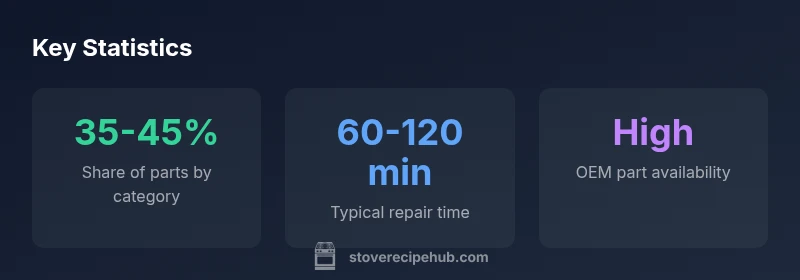
General Electric electric stove parts fall into four main categories: heating elements and surface coils, bake and broil elements, control systems (including infinite switches or electronic boards), and the knobs, sensors, and wiring that connect them. To source the right components, identify your model number, match OEM GE parts, and compare OEM vs aftermarket options for reliability and warranty.
Understanding general electric electric stove parts
When you’re faced with a malfunction, the first step is to understand the landscape of parts that power a GE electric stove. For DIYers, a clear map reduces guesswork and helps you avoid buying the wrong piece. According to Stove Recipe Hub, general electric electric stove parts typically cluster into four broad families: heating elements and surface coils, bake and broil elements, control systems, and the user interface wiring that ties everything together. This structure holds across many GE models, though the exact arrangement can vary by age and series. Recognizing these categories helps you diagnose symptoms—such as uneven heating or non-responsive controls—without needing a repair technician right away. The goal is to empower you to source the right component with confidence while preserving safety and warranty coverage.
Common component categories
GE electric stoves rely on a few core components that, when defective, create predictable symptoms. The heating elements deliver power to cookware; the bake and broil elements provide higher-heat modes for oven functions; control systems regulate power delivery and cycle timing; and knobs, indicator lights, and the wiring harness serve as the user interface and connective backbone. Understanding how these parts interact clarifies why a stovetop might heat unevenly or a control panel might ignore button presses. In practice, you’ll often find the root cause lies in one category, allowing for targeted testing and a quicker fix.
Tip: Start with the symptom you observe (e.g., no heat on the left burner) and map it to the likely family of parts before buying.
Heating elements and surface coils
Surface coils and radiant elements are the most visible GE stove parts. When a burner refuses to heat, the element can burn out or develop internal breaks in the coil. Visual inspection for scorching, melted insulation, or blistering is a good early check. If wiring or connections look worn, the element may fail during operation rather than at startup. Replacing a failed element typically involves disconnecting the power, removing the old part, and installing a compatible replacement. Always match the power rating (voltage and amperage) to the original specification and ensure the new element seats securely in its cradle. Modern GE coils may be ceramic-glass assemblies that require different mounting considerations than older coil designs.
Bake and broil elements and sensing
The bake and broil elements provide the high heat for ovens. Bake elements are generally located at the back wall of the oven cavity, while broil elements sit near the top. If food consistently undercooks or overcooks, suspect these elements first. In some GE models, the bake element’s temperature is moderated by a thermostat or sensor. When replacing, verify the replacement matches the oven’s wattage rating and that the sensor (if present) is compatible with the control board. If you notice a persistent error code on a digital display, the issue may originate in the sensor or control logic rather than the heating element itself.
Control systems: infinite switches and boards
Control systems govern how and when power is delivered. Infinite switches control radiant surface elements by cycling power, enabling heat levels from low to high. In more recent GE ovens, electronic control boards manage bake and broil cycles, oven timing, and fault diagnostics. Replacing a control component often requires programmatic reset or calibration to clear error codes after installation. When diagnosing control faults, look for non-visual symptoms like unresponsive knobs or intermittent heating, which can indicate a failing switch or board rather than a simple element failure.
Knobs, indicators, and wiring harnesses
The user interface—the knobs, indicator lights, and the wiring harness—acts as the human-machine bridge. Worn knobs can fail to set heat, while damaged wiring can interrupt power entirely. A damaged harness may produce intermittent heating or reverse-door latch issues in a combination oven. When inspecting these parts, check continuity with a multimeter and ensure connector pins seat firmly in sockets. Replacing a wiring harness is usually straightforward but must respect color codes and matching connectors to your model. After replacement, run a quick test cycle to confirm proper operation before cooking.
Sourcing and compatibility: OEM vs aftermarket
OEM GE parts are designed to match the exact specifications of your appliance, preserving performance and warranty terms. Aftermarket options can be cheaper, but their compatibility and longevity vary. Start by identifying your GE model number (found on a label inside the door frame or on the back of the unit). Compare part numbers on GE’s official site with aftermarket listings, reading reviews for fit and reliability. If a component carries a GE-part number that’s flagged as discontinued, consider compatible alternatives suggested by reputable retailers or GE support. For critical systems like a control board or bake element, prioritizing OEM parts reduces risk of fit issues and electrical mismatch.
Reading part numbers and model matching
Model numbers encode key information about your stove. The first portion often indicates the series, while the trailing digits specify specific components. When you order parts, copy the exact GE part number from the appliance label or the owner’s manual. If you cannot locate the number, use high-resolution photos of the control label and cross-check against GE’s online catalogs. Sellers that understand GE’s labeling patterns help you avoid common mistakes, such as grabbing a generic coil for a bake element or selecting an incorrect control board revision.
Safe testing and electrical safety basics
Always unplug the appliance before inspecting or replacing parts. Use a non-contact voltage tester to confirm power is off, and discharge any capacitors where applicable. Wear insulated gloves when handling heating elements that may retain heat. When testing elements, do so with the appliance plugged back in only after you’ve ensured all connectors are properly seated and secure. If you encounter high resistance or sparks, stop immediately and consult a professional. Frequent static checks and gentle tug-testing of connectors are prudent steps to prevent accidental disconnections during operation.
Maintenance routines to extend stove life
Preventative maintenance saves money and increases safety. Regularly inspect cordage, connectors, and harnesses for wear and corrosion. Clean heating coils with a soft brush to remove residue that can insulate heat unevenly. Keep the control panel clear of grease and spills, and test all heat levels periodically to catch drift before a failure becomes serious. For gas stoves, safety checks include verifying gas lines and ensuring proper ventilation, but for electric stoves focus on insulation integrity of wires and the absence of heat damage on plastic components. Scheduling a yearly external inspection can catch deterioration early and help you maintain reliable performance.
GE electric stove parts typology
| Part Category | Typical Part | Purpose/Notes |
|---|---|---|
| Heating elements (surface coils) | Radiant coils or glass-ceramic elements | Provide heat to cookware; inspect for wear and hot spots |
| Bake/Broil elements | Bake element / Broil element | Enable oven baking and broiling; verify wattage and fit |
| Control system (infinite switch/board) | Infinite switch or electronic control board | Regulates heat cycles and power delivery |
| Knobs, indicators, wiring | Knobs, indicator lights, wiring harness | User interface and electrical connections |
Common Questions
How do I identify the exact GE stove part I need?
Start by locating the appliance label and model number. Then cross-check the GE part catalog or official site for the matching part number. If you’re unsure, compare the electrical connections and mounting style to the replacement to ensure a proper fit.
Locate the model number, check the GE catalog, and compare connectors to confirm the exact part.
Are GE parts interchangeable with other brands?
Some parts may fit other brands, especially generic heating elements or wiring harnesses. However, compatibility isn’t guaranteed, and using non-GE boards or control units can affect safety and warranty. When in doubt, choose OEM GE parts or consult a trusted technician.
Interchangeability is limited—best to use GE parts or compatible, vetted aftermarket options.
What is the safest way to test a faulty heating element?
Unplug the unit before inspection. Use a multimeter to check continuity across the element, and replace if there’s an open circuit. After replacement, reassemble securely and run a low-power test to verify proper operation.
Power off, test with a multimeter, then replace and re-test carefully.
Can I use aftermarket parts for GE stoves?
Aftermarket parts can be cheaper but may vary in fit and long-term reliability. If you choose aftermarket, buy from reputable brands and confirm compatibility with your model number and control system.
Aftermarket parts can work, but verify compatibility and warranty terms.
Where can I find authentic GE stove parts?
Authentic GE stove parts are available through GE’s official parts store, authorized retailers, and major appliance parts distributors. Always verify the part number and model compatibility before purchase.
Check GE’s official store and trusted distributors for authentic parts.
How long does a typical GE stove repair take?
A typical repair involving a single element or switch can take 30 minutes to 2 hours, depending on access. Complex control board replacements may take longer and sometimes require professional service.
Most fixes take from half an hour to a couple of hours, depending on the part.
“Effective stove repair hinges on correctly identifying the part family and matching the exact GE specification. OEM parts reduce risk and preserve performance.”
Top Takeaways
- Identify the correct model number before ordering parts
- Prioritize OEM GE parts for critical components
- Test heating elements and controls safely to diagnose issues
- Inspect wiring harnesses and connectors for wear
- Consider OEM vs aftermarket options based on reliability and warranty