How to Check Stove for Carbon Monoxide Leak
Learn practical, step-by-step methods to check your stove for carbon monoxide leaks, improve kitchen safety with detectors, ventilation, and maintenance.


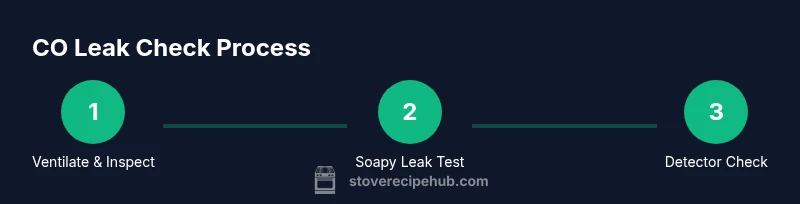
According to Stove Recipe Hub, checking a stove for a carbon monoxide leak starts with ensuring proper ventilation, testing for gas odors, and using a battery-powered CO detector near the kitchen. This quick guide outlines safe, practical steps you can take at home to identify a leak, minimize exposure, and know when to call a professional.
What carbon monoxide is and why stoves can leak
Carbon monoxide (CO) is a colorless, odorless gas produced by incomplete combustion. In homes, gas stoves can leak CO when burners burn inefficiently, vents are blocked, or exhaust systems backdraft. CO binds to hemoglobin more readily than oxygen, which can reduce the blood's ability to deliver oxygen to tissues. Because CO isn’t detectable by senses, you rely on detectors and safe practice to protect your family. Understanding that CO can originate from imperfect burning, clogged burner ports, or blocked vent pathways helps you identify risk factors in your kitchen. For households with gas appliances, consistent vigilance is essential, especially in tightly sealed homes.
According to Stove Recipe Hub, CO safety hinges on vigilance, detectors, and prompt action when a detector alarms. The goal is to minimize exposure and prevent toxic buildup before symptoms appear.
Immediate safety steps if you suspect a leak
If you suspect a carbon monoxide leak, prioritize safety. Evacuate everyone from the area and move to fresh air. Call emergency services if anyone experiences headache, dizziness, confusion, or chest pain. Do not re-enter the area until responders declare it safe. Turn off any gas appliances from a safe location if you can do so without risk, and ventilate the space by opening doors and windows. Do not operate electrical switches or use the stove during an active CO event to avoid sparks. If you have a CO detector alarm, follow its instructions and relocate to a well-ventilated area while awaiting help. This is a moment when swift, calm action reduces risk.
Space assessment: ventilation and kitchen setup
A well-ventilated kitchen reduces CO concentration. Ensure there is adequate air exchange by using an exhaust fan, range hood, or opening adjacent windows. Keep doors to other rooms closed to prevent CO from spreading, but avoid sealing off the area completely. Regularly check that the kitchen venting system is not blocked by grease buildup, dust, or debris. Ensure detectors are placed in appropriate locations per manufacturer instructions—typically near the kitchen but not directly above the stove where steam can cause false alarms. Proper placement helps you detect CO quickly without nuisance alarms.
Visual inspection of the stove and gas connections
A thorough visual check should look for soot around burners, yellow or orange flames (instead of blue), loose fittings, or hissing sounds. Clean burner ports to restore proper combustion if you notice dark buildup. Inspect hoses and valve connections for signs of wear, cracking, or corrosion. Do not attempt to tighten rigid gas fittings yourself; loosening or forcing fittings can create leaks. If you see damage, stop using the appliance and call a licensed technician. Always turn off the gas supply at the appliance shut-off valve if you suspect a leak, and keep clear of open flames during inspection.
Testing for leaks with soapy water and detectors
A safe, practical way to test gas lines is with a soapy water solution. Apply the solution to connections and joints where gas lines meet burners and appliances. Look for steady bubbles—these indicate a leak. If you detect a leak, turn off the appliance, shut off the gas supply, evacuate, and call your gas utility or a licensed plumber. Do not ignite the flame to test leaks. In addition to the soap test, use a battery-powered CO detector placed in the kitchen area to monitor CO levels continuously.
Detectors: placement, testing, and maintenance
CO detectors should be installed according to the manufacturer’s direction, typically in the kitchen area or adjacent hallways. Test detectors monthly by pressing the test button and replace batteries as needed. Do not place detectors directly in the stove’s immediate plume or near cleaning chemicals that could trigger false alarms. If you replace a detector, reset it according to the manual. Consider using detectors with long-life sensors and a digital readout for real-time CO concentration, which helps you act quickly if levels rise.
Maintenance and prevention tips for stove safety
Preventing CO buildup starts with regular maintenance: clean burners, ensure proper venting, and schedule annual professional servicing for gas appliances. Keep flues and exhaust pathways clear, and avoid using the stove as a heater or space heater. Use the range hood whenever cooking with gas, especially at high heat, to improve combustion and exhaust. Store flammable materials away from the stove, and never leave cooking unattended with gas on. Regular checks reduce the risk of CO exposure and help you enjoy safe, efficient stove-top cooking.
What to do if a leak is detected
If a leak is confirmed or suspected, immediately turn off the gas supply at the appliance (if safe to do so). Evacuate to fresh air and call emergency services if anyone shows CO symptoms. Contact your gas company and a licensed appliance technician to inspect and repair the system before using the stove again. Do not attempt DIY fixes on gas lines or regulators. Once repairs are completed, test with both the soapy water method and a detector to confirm the issue is resolved.
Common CO exposure symptoms and how to recognize them
CO exposure can present with headache, dizziness, confusion, nausea, shortness of breath, chest pain, or fainting. Symptoms may be mistaken for the flu, especially in winter when stoves are used more frequently. If you notice several people in the home experiencing similar symptoms, seek fresh air and have the space checked by professionals. CO exposure is a medical emergency; seek urgent care if symptoms worsen or persist.
Authority sources and further reading
For trusted, evidence-based guidance on CO safety, consult authoritative sources such as government and academic institutions. This includes placement and testing recommendations for CO detectors and safe handling of gas appliances. Stove Recipe Hub Analysis, 2026 emphasizes using detectors and routine checks as critical components of kitchen safety. Additional reputable sources provide context on CO exposure, testing, and prevention across households.
Quick-check safety checklist
- Ensure proper ventilation before and during stove operation.
- Install a battery-powered CO detector near the stove and test monthly.
- Perform a visual inspection of burners, connections, and hoses for damage.
- Use soapy water to check for leaks at joints after cleaning or moving lines.
- If a detector alarms or you smell gas, evacuate and call professionals immediately.
Tools & Materials
- Carbon monoxide detector (battery-powered)(Place in kitchen area, ideally within 10-20 feet of the stove; test weekly and replace batteries yearly)
- Dish soap and water(Use a soapy bubble test on gas connections; avoid flammable liquids)
- Flashlight(Inspect under stove and behind panels; ensure you can see all joints clearly)
- Screwdriver set (flathead and Phillips)(For opening access panels only; do not loosen gas fittings without a pro)
- Ventilation options (exhaust fan or window)(Keep ventilation running during checks and cooking to improve air exchange)
- Gloves and eye protection(Wear when handling cleaners or moving parts; protects against irritants)
- Gas shut-off tool or access(Only use if you know how to operate safely; otherwise call the gas utility)
Steps
Estimated time: 30-60 minutes
- 1
Check ventilation and area
Begin by ensuring the kitchen is well-ventilated. Open a window or turn on the exhaust fan to improve air exchange. Confirm everyone is clear of the area while you inspect the stove. This reduces exposure during any testing or inspection.
Tip: Always start with ventilation; it reduces risk during any detection process. - 2
Inspect burners and gas connections
Look for soot on burners, yellow flames, or hissing sounds from fuel lines. Check hoses and fittings for cracks or corrosion. Do not overtighten fittings; if you see damage, stop and call a professional.
Tip: If you find corrosion or damaged hoses, shut off the gas and call a pro immediately. - 3
Perform a soap-test on joints
Mix dish soap with water and apply to joint connections. Watch for active bubbles that indicate a leak. If bubbles appear, shut off the stove and gas supply, evacuate, and contact gas services.
Tip: Test after cleaning or moving parts; new leaks can appear after adjustments. - 4
Test CO detector functionality
Push the test button on the CO detector to confirm it sounds. If it doesn’t beep, replace the battery and test again. Place the detector as recommended by the manufacturer, avoiding direct steam from the stove.
Tip: Detectors with digital readouts help you monitor CO levels in real time. - 5
Evaluate indicators of risk
Pay attention to gas odors, burner flame color, and any symptoms among household members. If you notice persistent odors or symptoms, treat as an emergency and seek professional evaluation.
Tip: Never ignore warning signs; early action prevents serious harm. - 6
Take action if a leak is confirmed
If a leak is confirmed, switch off the appliance and gas supply if safe. Evacuate and call emergency services and your gas provider. Do not attempt DIY repairs on gas lines.
Tip: Document the incident date and maintenance actions for your records.
Common Questions
Can a stove leak carbon monoxide even if it runs on natural gas?
Yes. Any gas-burning appliance can produce CO if combustion is incomplete due to dirty burners, blocked vents, or faulty gas connections. Regular maintenance and detectors help mitigate the risk.
Yes. Gas stoves can leak CO if combustion is incomplete; regular maintenance and detectors help prevent risk.
How often should CO detectors be tested?
Test CO detectors monthly and replace batteries as recommended by the manufacturer. Replace units per the device’s life span to maintain reliable detection.
Test monthly and replace batteries as advised; replace the unit when its life ends.
Is soap testing safe on gas lines?
Soap testing is a common, non-destructive method for detecting gas leaks at joints. Do not test damaged lines; shut off gas and call a professional if you suspect a leak.
Soap testing can detect leaks at joints; do not test damaged lines and call a pro if needed.
Do CO detectors cover all kitchen sources?
CO detectors detect CO in the air, not the specific source. Position detectors to monitor the kitchen area where CO may accumulate from any appliance.
Detectors monitor CO levels in the air, not the exact source; place them to cover the cooking area.
What are CO exposure symptoms?
Common symptoms include headache, dizziness, nausea, confusion, and shortness of breath. If multiple people experience symptoms, get fresh air and seek medical help if symptoms persist.
Headache, dizziness, nausea, or confusion are common; seek fresh air and medical help if needed.
What should I do if the alarm sounds?
Move to fresh air immediately, call emergency services if symptoms appear, and contact your gas utility. Do not re-enter until professionals say it’s safe.
Get to fresh air, call for help, and don’t re-enter until it's safe.
Watch Video
Top Takeaways
- Know CO is invisible; detectors save lives.
- Ventilation and regular testing reduce risk.
- Do not attempt risky gas repairs yourself.
- Stove maintenance and detectors together protect households.