How to Clean Stove Burners: A Practical Guide
Master stove burner cleaning with a step-by-step approach to remove grease, unblock ports, and restore optimal flame performance for gas and electric stoves.


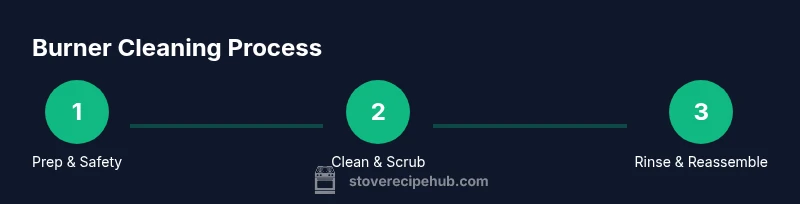
By the end of this guide, you’ll be able to clean stove burners safely and effectively, restoring flame performance and reducing flare-ups. You’ll learn how to remove grates and caps, dissolve grease, and unblock burner ports with common household cleaners. Before you begin, gather basic supplies, disconnect power or gas as needed, and follow a clear, step-by-step process that works for most gas and electric stoves.
Why Clean Stove Burners Matter
Regularly cleaning stove burners matters for safety, efficiency, and consistent cooking results. Over time, oil, sauce, and food particles accumulate on grates, burner caps, and ports, forming a greasy film that can clog flame ports or reduce heat. This reduces control over temperature and can cause uneven flames or yellow tips. According to Stove Recipe Hub, routine cleaning not only improves flame quality but also minimizes gas waste and potential flare-ups. Whether you use a gas or electric stove, keeping burners clear helps prevent strain on the entire cooktop and preserves cookware surfaces. In this section, we’ll cover why it matters, the signs you need a clean, and the basic approach that works across most models. You’ll learn to differentiate removable parts from fixed elements and how to tailor techniques to your particular burner design, from sealed gas ports to metal coil layouts. The goal is to restore efficiency without damaging delicate components. With proper cleaning, you’ll notice quicker lighting, steadier flames, and less soot on pan bottoms. A clean stove contributes to a safer kitchen environment, especially in homes with children or frequent high-heat cooking. Take a moment to inspect the stove area before you start: ensure the surface is cool, the gas is off, and the surrounding area is free of combustibles. This upfront check saves time and prevents accidents.
Safety First: Is It Safe to Clean Burners?
Safety is the first step in any cleaning job on a stove. Start by turning off the burner and, for gas models, closing the gas supply valve if you can access it safely. Allow all parts to cool completely before handling. Remove grates and burner caps to access the ports and surfaces underneath. Wear gloves to protect your hands from sharp edges and hot metal, and use eye protection if you anticipate splashes from cleaners. Never attempt to clean live electrical components or submerge fixed parts in water. For electric stoves, disconnect power at the outlet or switch off the circuit breaker if you must work close to electrical elements. Keep cleaning solutions away from heat sources and avoid using harsh chemicals on aluminum parts, which can cause discoloration or damage over time. By following these precautions, you reduce the risk of accidents and ensure you can clean thoroughly without compromising safety. As a cautionary note, never spray liquid cleaners directly onto burners or electrical connections; apply to a cloth or brush first.
Burner Design Variants and How They Change Cleaning
Burner configurations vary widely across stoves. Gas cooktops often have removable burner heads, caps, and grates, with ports that require gentle attention to avoid blockage. Electric coil burners are different: coils sit on insulated bases and may not be removable; their cleaning focuses on the drip pans and surrounding surfaces. Sealed burner systems require care to avoid soaking any internal ports. Understanding your model’s design helps you choose the right approach and avoid damaging components. Check your user manual for model-specific guidance, but the general principle remains: remove detachable parts, clean them separately, and keep ports free of debris. Start by inspecting for melted plastic, corrosion, or warped parts that may need replacement rather than cleaning. If you notice unusual corrosion or air gaps around flame ports, consider professional inspection before re-use. This section sets the stage for the hands-on steps that follow, ensuring you adapt the method to your stove safely and effectively.
Cleaning Basics: Grease, Debris, and Clogs
A successful clean begins with understanding what you’re removing. Grease builds up on grates, caps, and surrounding surfaces, while food particles can become caked into ports and burner heads. For gas burners, grease can clog the tiny holes that feed the flame; for electric coils, residue can impede heat transfer if left to accumulate near contacts. Start with a dry wipe to remove loose debris, then apply a mild dish soap solution to soften grease. Use a soft-bristled brush to scrub grates and caps, paying special attention to the burner head slots. Rinse with clean water and dry thoroughly. For stubborn residues, create a paste of baking soda and water to gently scour the surface, then rinse away. Always test the ports after cleaning by blowing through them or using a soft brush to ensure airflow is clear. This method balances effectiveness with surface protection, helping maintain the stove’s appearance and performance over time.
Deep Cleaning and Soaking Techniques
When residue is stubborn, a deeper approach is warranted. Soak removable parts like grates and burner caps in warm, soapy water for 10-15 minutes to loosen grease. For tough buildup, sprinkle a light layer of baking soda on the damp surface and scrub with a soft brush. If you notice mineral deposits or hard-water stains, a diluted white vinegar solution can help dissolve mineral buildup without harming metal surfaces. Rinse all parts thoroughly afterward and dry completely before reassembly. Avoid aggressive scrubbing with metal pads, which can scratch enamel or aluminum. In between uses, wipe down surfaces with a damp cloth to prevent the next round of buildup. Deep cleaning should be done periodically, depending on cooking habits and frequency of use, to maintain optimal performance and safety.
Electric Coil Burners: Special Considerations
Electric coil burners require different care than gas burners. Coils should not be submerged in water; instead, wipe them carefully with a damp cloth and avoid harsh scrubbing near the electrical connections. Clean the drip pans and the surrounding area to prevent grease from dripping onto coils, which can cause smoking or odor when heated. If a coil is damaged or shows signs of cracking, replace it rather than attempting a repair. When reinstalling, ensure the coil sits securely on its cradle and that any controls are re-seated properly. Regular maintenance of electric coil burners includes keeping the coil free of food particles and checking the electrical cord for wear. By focusing on the coil’s immediate environment, you preserve heat efficiency and reduce the risk of short circuits or electrical faults.
Reassembly, Drying, and Final Check
After cleaning and confirming all parts are completely dry, reassemble the burner head, caps, and grates in their original orientation. Take a moment to align caps with their burner slots for even flame distribution. Wipe the cooktop surface again to remove any residual cleaner and to restore a clean finish. Before using the burner, perform a quick test: light or power on the stove and observe the flame color and stability. A healthy natural gas flame is blue with a pale inner cone; an electric coil should glow evenly without scorching or sizzling noises. If you notice an uneven flame or an unusual odor, turn off the stove and re-check the ports, connections, and seals. Regular maintenance after each significant cooking session can prevent buildup and extend the life of burner components.
Maintenance Routine and Schedule
Consistency is key for stove burner maintenance. Create a simple cleaning schedule that fits your cooking frequency: a light wipe-down after daily use, a thorough weekly clean for heavy cooking, and a deep clean monthly or quarterly depending on your kitchen’s usage and oiliness of recipes. Keep a small cleaning kit within reach so you can perform quick cleans after meals. Document any recurring issues such as frequent yellow flames, soot on pan bottoms, or lagging ignition, as these signs can indicate clogged ports or worn parts. Addressing these early prevents larger problems and keeps your stove performing at peak efficiency. By incorporating routine checks—especially after roast dinners, sauces, and fried foods—you maintain flame quality and cookware performance over time.
Troubleshooting and When to Call a Pro
If after cleaning you still observe yellow flames, irregular burning, or difficulty igniting, re-check the burner ports for obstructions and verify that the gas supply lines are intact. A persistent odor of gas or a hiss may indicate a leak or misalignment; in such cases, evacuate and call your gas utility or a licensed technician. For electric coils, if a coil or control fails to heat evenly, consider replacement rather than repair. If you’re unsure about a component’s integrity or you notice corrosion, it’s safer to seek professional help rather than attempting risky DIY fixes. Regular maintenance reduces the likelihood of urgent repairs, but when in doubt, prioritize safety and seek expert advice.
How to Prevent Future Buildup
Prevention is simpler than deep cleaning. Wipe spills promptly to prevent setting, wipe grease from grates after each use, and use a splatter screen to reduce splashes on burners. Choose a mild degreasing solution and avoid harsh abrasives that can scratch enamel or metal surfaces. Keep burners dry after cleaning and store tools in a dedicated area to minimize contamination. Periodically inspect seals and gaskets for signs of wear and replace as needed. By forming a simple, repeatable routine, you’ll keep stove burners clean, efficient, and ready for continuous cooking.
Tools & Materials
- Dish soap(Mild, non-abrasive formula)
- Warm water(For soaking removable parts)
- Non-abrasive scrub sponge(Avoid scratching enamel surfaces)
- Soft-bristled brush or old toothbrush(Gently scrub ports and grates)
- Microfiber cloths(For wiping and drying)
- Small bucket or basin(For soaking removable parts)
- Baking soda(For stubborn stains (paste with water))
- White vinegar(Natural degreaser for mineral buildup)
- Rubber gloves(Protect hands from cleaners)
- Towels or old rags(Drying and layout for parts)
Steps
Estimated time: 30-45 minutes
- 1
Power off and cool down
Ensure the stove is completely cool. Turn off the gas supply if accessible and unplug any electric stoves. This prevents accidental ignition and protects you from heat and chemical exposure.
Tip: Keep a small tray nearby to hold removed parts so they don’t get mislaid. - 2
Remove removable parts
Take off grates, burner caps, and any removable heads. Place each piece on a towel or in a basin to prepare for cleaning. Note the orientation of parts to make reassembly easy.
Tip: If caps are difficult to lift, pause and apply gentle heat-relief for a minute before trying again. - 3
Pre-cleaning prep
Mix a mild soap solution in a basin. Dampen sponges and brushes, then blot the surfaces of removable parts to loosen grease before scrubbing. Avoid soaking fixed burners.
Tip: Always test a small area first to ensure you won’t damage finishes. - 4
Soak removable parts
Submerge grates and caps in warm soapy water for 10-15 minutes. This helps dissolve built-up grease without harsh scrubbing. After soaking, scrub with a soft brush.
Tip: If you have hard water, add a splash of vinegar to the soak to help cut mineral deposits. - 5
Clean burner heads and ports
Gently scrub the burner heads and ports with a soft-bristled brush. Use a toothpick or nylon pick sparingly to remove stubborn debris from ports—do not probe hard metal edges. Rinse with clean water.
Tip: Do not use metal tools that can scratch or bend delicate ports. - 6
Rinse and dry thoroughly
Rinse all parts under clean running water and dry completely with a microfiber cloth. Ensure no moisture remains in ports before reassembly.
Tip: Drying completely prevents rust and ensures a good seal during reassembly. - 7
Reassemble the burner components
Place burner caps and grates back in their original positions. Check that caps align with their slots for proper flame distribution. Wipe the cooktop surface to remove any residual cleaner.
Tip: If a cap sits loosely, re-seat it to avoid wobbling during use. - 8
Test the burners
Turn on a burner to confirm proper ignition and flame behavior. The flame should be blue (gas) with a stable inner cone; electric coils should glow evenly without sizzling.
Tip: If a flame is yellow or orange, re-check the ports for obstructions and ensure all parts are dry. - 9
Establish a maintenance routine
Schedule regular cleanings based on usage. Keep a cleanup kit handy and wipe after cooking to minimize heavy buildup.
Tip: Photograph or note how parts are reassembled to simplify future maintenance.
Common Questions
Can I clean stove burners while they are still hot?
No. Cleaning should only happen after the stove and all parts have cooled completely. Working on hot burners risks burns and chemical exposure. If you need to wipe a spill, do so with care after cooling.
No, always wait for the stove to cool before cleaning. Heat can cause burns and spread cleaner vapor.
Is it safe to use household cleaners on burners?
Most mild dish soaps and kitchen degreasers are safe on metal and enamel surfaces. Avoid harsh abrasives and bleach on aluminum parts, and never spray cleaners directly onto burner ports or electrical connections.
Mild cleaners are fine; avoid bleach and spraying directly on ports.
How often should I clean stove burners?
Clean after heavy cooking sessions or when you notice grease buildup. A light wipe-down after each use and a deeper clean monthly work well for most households.
Clean after heavy cooking and do a deeper clean monthly.
Can burner caps go in the dishwasher?
Some caps are dishwasher safe, but always check the manufacturer’s guidance. If in doubt, hand wash to avoid warping or dulling finishes.
Check the manual; if unsure, wash by hand to protect finishes.
What should I do if the gas flame turns yellow after cleaning?
A yellow flame indicates incomplete combustion and possible port obstruction. Stop using the burner, inspect ports for debris, and consider professional service if the issue persists.
If the flame is yellow after cleaning, stop and check the ports; call a pro if it continues.
Top Takeaways
- Inspect and remove debris before cooking.
- Use mild cleaners and dry thoroughly.
- Reassemble carefully and test flames.
- Establish a simple, regular maintenance routine.