How to Clean Stove Drip Pans: A Practical Step-by-Step Guide
Learn how to clean stove drip pans safely and effectively with common household supplies. This step-by-step guide covers soaking, scrubbing, and maintenance to prevent staining and rust.


This guide explains how to clean stove drip pans safely and effectively, with simple supplies and a step-by-step routine. You'll learn why cleaning every few weeks matters and how to prevent buildup that dulls grates and spills. The goal is to restore shine, reduce odors, and extend the life of pans and stove surfaces. By following these steps, home cooks can maintain a clean, safe cooking area without harsh chemicals.
Why Cleaning Stove Drip Pans Matters
According to Stove Recipe Hub, drip pans accumulate spilled oil, food particles, and moisture, creating odors and potentially rust if ignored. Regular cleaning improves heat distribution, reduces smoke when drips burn off later, and keeps your burners operating smoothly. Clean drip pans also make your entire stove look newer and more inviting, which can encourage more enjoyable cooking sessions. In short, a clean drip pan is a small habit with meaningful results for both performance and hygiene.
From a maintenance perspective, neglected drip pans can trap bacteria and become a source of lingering smells. Keeping them clean helps you control cross-contamination risks and makes it easier to spot wear or corrosion early. For busy weeknights, a quick clean every couple of weeks can prevent larger scrubbing sessions later. This guide outlines practical methods that work for enamel, chrome, and stainless steel pans.
What Causes Stains and Buildup on Drip Pans
Drip pans collect grease, sauces, and food particles as you cook. Over time, high heat can caramelize sugars and oils, creating sticky, stubborn residues that become discolored. Acidic cleaners can help break down mineral deposits but may damage certain finishes if used aggressively. Standing moisture can lead to rust on metal pans, especially if the surface is compromised. Understanding the sources of buildup helps you choose the right cleaning approach and avoid common mistakes such as using abrasive tools on delicate finishes.
Practical Cleaning Methods: Soapy Water, Baking Soda, and More
Start with warm, soapy water to loosen grease, then scrub with a non-scratch sponge. For tougher stains, make a paste from baking soda and water, apply it to the stains, and let it sit for 5–10 minutes before scrubbing. White vinegar can help neutralize odors and deepen cleaning when mixed with water. If you don’t have baking soda, lemon juice and salt can act as a gentle abrasive. Always rinse well and dry completely to prevent future rust or discoloration. The key is patience and using mild abrasives that won’t scratch enamel or chrome.
Can Drip Pans Be Dishwasher Safe?
Many enamel drip pans are technically dishwasher-safe, but repeated high-heat cycles may cause discoloration or wear over time. If you choose to use a dishwasher, place drip pans securely to prevent movement and avoid metal-on-metal contact that could scratch surfaces. For chrome or stainless steel pans, test a small area first or refer to your stove manufacturer’s guidelines. When in doubt, hand-washing with a gentle cleaner is a safer, longer-lasting option.
Handling Burnt-On Residues and Discoloration
Burnt-on residues require a bit more patience. Soak pans in warm, soapy water for 15–30 minutes, then use a paste of baking soda and water. For stubborn spots, a plastic scraper can lift residues without scratching the finish. Avoid steel wool or abrasive pads on enamel, which can dull shine or chip the surface. If discoloration remains, applying a small amount of white vinegar or a dedicated stove polish can help restore brightness without damaging the finish.
Maintenance Routines to Prevent Future Buildup
Prevention is easier than heavy scrubbing. Wipe pans daily after cooking with a soft sponge and a mild cleaner. Consider placing a liner or foil under splashes to reduce direct contact with the pan surface. Empty and rinse the pan after each use to reduce residue buildup. Regularly check the enamel for chips and rust; addressing small issues early prevents larger problems down the line. A quick weekly wipe can keep your stove looking pristine with minimal effort.
Cleaning Different Drip Pan Materials
Enamel drip pans are common and respond well to warm soapy water and baking soda pastes. Chrome or stainless pans tolerate scrubbing but can rust if the surface is scratched; use non-abrasive tools and avoid harsh chemicals. Glass-covered or painted drip pans require gentle care to avoid finish damage. Always dry thoroughly; moisture left behind can lead to rust or odor formation. If a pan shows significant wear, replacing it is often the best long-term option.
Safety, Odor Control, and Ventilation During Cleaning
Ventilate the area well when using cleaners to minimize fumes. Wear gloves to protect skin from detergents and hot water. Keep cleaners out of reach of children and pets, and never mix cleaners with ammonia or bleach. Save odors by running a vent or opening a window during and after cleaning. After drying, a quick wipe with a microfiber cloth helps control residual odors and leaves the surface looking polished.
Quick Reference: When to Clean and How to Inspect Drip Pans
Set a reminder to inspect drip pans every 1–2 weeks, especially after heavy cooking sessions. Look for discoloration, rust, or any loose fit with the pan; address issues early to avoid leaks or improper burner function. If a drip pan is warped, cracked, or rusted through, replace it rather than attempting to repair. Regular inspections keep your stove performing reliably and reduce the risk of flare-ups caused by build-up.
Tools & Materials
- Rubber gloves(Protect hands from hot water and cleaners)
- Non-abrasive scrub sponge(Safe on enamel and chrome)
- Toothbrush or small scrub brush(Target tight corners and seams)
- Dish soap (mild degreasing)(General purpose cleaner)
- Baking soda(Make paste for tough stains)
- White vinegar(Odor control and extra cleaning boost)
- Plastic scraper or old credit card(Gently lift burnt-on residue)
- Bucket or basin, large enough to soak pans(Soak time for stubborn stains)
- Dry rags or microfiber cloths(Dry completely to prevent rust)
Steps
Estimated time: 30-45 minutes
- 1
Remove grates and drip pans
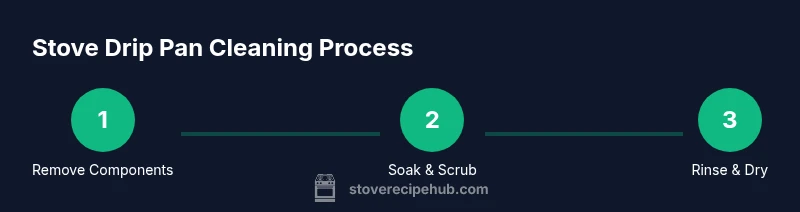
Power off the stove and allow components to cool. Remove metal grates and drip pans and place them in a sink or basin. This gives you full access for thorough cleaning and prevents splashes on the burners.
Tip: Take a photo before disassembly to help reassembly later. - 2
Pre-clean loose debris
Wipe away loose crumbs with a dry cloth or a soft brush. This reduces the mess you’ll see when you apply water and cleaner, and it prevents gritty residues from scratching enamel during scrubbing.
Tip: Do this over a trash bin to minimize clutter. - 3
Prepare cleaning solution
Fill a basin with warm water and add a few drops of dish soap. For tougher stains, mix a baking soda paste (baking soda + water) for targeted spots. Avoid boiling water to preserve pan integrity.
Tip: Test a small area first if unsure about finish tolerance. - 4
Soak the pans
Submerge drip pans in the soapy solution and let them soak for 10–15 minutes. This softens grease so it’s easier to remove without heavy scrubbing.
Tip: If pans are very dirty, extend soak to 20 minutes. - 5
Scrub gently and rinse
Use a non-abrasive sponge; scrub in gentle circular motions. For stubborn areas, use a toothbrush. Rinse with warm water to remove all soap residue.
Tip: Avoid steel wool on enamel to prevent scratches. - 6
Dry thoroughly and inspect
Dry pans completely with a microfiber cloth. Look for rust spots or pitting; if you see damage, consider replacing the pan to prevent leaks or poor fit.
Tip: Keep a spare cloth ready for quick touch-ups. - 7
Reassemble and test
Return pans and grates to the stove. Light a burner briefly to ensure proper seating and no residual odors. If odors persist, wipe with a vinegar-water solution and dry again.
Tip: If a pan won’t sit flat, check the burner base for debris. - 8
Optional deodorize and shine
Wipe with a damp cloth and finish with a dry microfiber for a clean shine. A small amount of lemon juice on a soft cloth can refresh the surface.
Tip: Regular light cleaning prevents heavy scrubbing later.
Common Questions
Can I put drip pans in the dishwasher?
Some enamel drip pans are dishwasher safe, but heat and detergents can cause discoloration over time. For best results, hand-wash and dry thoroughly. Always check manufacturer guidance if available.
Some enamel drip pans can go in the dishwasher, but hand-washing is safer for longevity. Always dry fully after washing.
What if the stains won’t come out?
Soak longer, apply a baking soda paste, and scrub with a non-abrasive sponge. For burnt-on spots, a plastic scraper can help without scratching. If all else fails, replacing the pan may be the best option.
If stains stay, soak longer and use a baking soda paste. A plastic scraper can help; replace severely damaged pans.
How often should I clean drip pans?
Aim for a light wipe-down weekly and a deeper clean every 2–4 weeks, depending on cooking frequency and spill levels. Immediate cleaning after spills prevents stubborn buildup.
Wipe weekly and deep-clean every few weeks, more often if you cook heavily.
Are chemical cleaners safe to use on drip pans?
Choose mild cleaners and avoid mixing products. Rinse thoroughly to remove residue. For sensitive finishes, stick to dish soap, baking soda, and vinegar as needed.
Use mild cleaners and rinse well; avoid mixing chemicals and test a small area first.
Can I replace damaged drip pans instead of cleaning them?
Yes. If pans are rusted through, warped, or significantly corroded, replacement ensures proper fit and safer operation. Check your stove model for compatible replacements.
If the pans are badly damaged, replace them for safety and performance.
Do drip pans affect stove safety?
Clean drip pans reduce grease fires by removing built-up oils and food particles. Regular maintenance also helps you spot rust or damage that could affect the burner seal.
Clean pans help prevent grease fires and reveal wear early.
Watch Video
Top Takeaways
- Remove and soak for best results.
- Use mild cleaners and gentle scrubbing on enamel.
- Dry completely to prevent rust and odors.
- Regular maintenance reduces heavy scrubbing.
- Inspect pans for wear and replace as needed.