How to Clean Stove Induction: A Practical Guide for Home Cooks
Learn how to clean stove induction surfaces safely with gentle cleaners, non-abrasives, and a simple step-by-step routine. Preserve shine, prevent scratches, and keep your glass-ceramic top looking new.


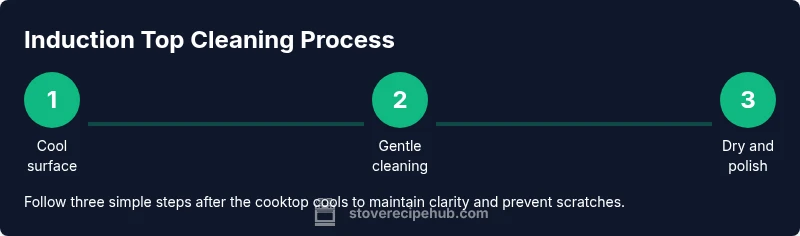
You can safely clean an induction stove by using a gentle soap solution, a soft non-abrasive sponge, and a microfiber cloth. Avoid abrasive pads, ammonia, or bleach, and never spray cleaner directly on a hot surface. This guide covers a safe, step-by-step routine for glass-ceramic induction tops to keep them sparkling and scratch-free. Keep the cooktop cool before cleaning, wipe in the direction of the grain, and polish with a dry microfiber cloth.
What makes induction cooktops different
According to Stove Recipe Hub, how to clean stove induction involves using gentle cleaners and avoiding abrasive tools to preserve the glass-ceramic surface. Induction tops heat efficiently, but their smooth, glossy surface shows smudges, fingerprints, and scorch marks quickly. Cleaning them safely means choosing the right cleaners, avoiding metal or harsh chemicals, and using soft cloths that do not scratch. A routine that respects the surface's sensitivity will keep heat distribution consistent and prevent micro-scratches that dull the shine. This section explains the unique characteristics of induction cooktops and why a careful cleaning approach matters for long-term performance by reducing the risk of heat damage and residue buildup.
The induction surface relies on a glass-ceramic panel and a sensor-driven heating element beneath. Exposure to abrasive abrasives can create micro-scratches that harbor future stains and hinder reflectivity. Gentle cleaning tools and proper technique protect the surface and help maintain efficient heat transfer. A well-maintained induction top also resists discoloration from common cooking residues like oils, sauces, and dairy. By understanding how heat is transferred and how the surface responds to cleaners, home cooks can tailor their routine to preserve performance and appearance.
Safe cleaning products and tools
Induction surfaces respond best to mild, non-abrasive cleaners. Start with a small amount of dish soap mixed with warm water, and use a soft microfiber cloth or non-abrasive sponge. For tougher spots, a dedicated glass cooktop cleaner can help without scratching. Avoid ammonia, bleach, acidic cleaners, and steel wool, which can etch or dull the surface. Keep multiple cloths separate for dirty and clean passes to avoid spreading residue. A plastic scraper is useful for baked-on spills but only with light pressure. Always test a cleaner on a hidden corner first to ensure it does not leave residue or discoloration. Wearing gloves can protect your hands from drying agents and prolong the life of your finish.
Choosing the right tools minimizes risk. Microfiber cloths pick up grease efficiently without leaving lint. A non-abrasive sponge is handy for slightly stubborn spots, but pressure should stay gentle. For glass cooktop cleaners, opt for products formulated specifically for induction surfaces. Avoid kitchen tools made of metal or rough textures that could scratch the surface. By stocking a small set of safe cleaners, you can move through the routine quickly and confidently.
Stove Recipe Hub emphasizes keeping your cleaning routine simple and consistent. A quick daily wipe followed by a deeper weekly cleanends up saving time and decreasing the likelihood of buildup that requires aggressive scrubbing. The less you scrub, the less wear you cause on the surface, preserving gloss and clarity over time.
Daily wipe-down routine for a pristine surface
Develop a quick daily routine to prevent buildup. Once the cooktop is completely cool, spray or dampen a cloth with a mild cleaner and wipe the surface with smooth, even strokes from edge to center. Dry immediately with a clean microfiber to prevent water spots and streaks. Pay extra attention to the controls and any edges where crumbs can accumulate. Regular light cleaning reduces the need for heavy scrubbing and helps you spot issues before they become stains. If you notice a dusty film, wipe again with a dry cloth to restore sparkle and minimize visible wear. A short routine performed after cooking adds up to a long-lasting, glossy surface.
Removing dried spills and burnt-on residue safely
Baked-on sugar syrups, milk scorch, or caramel can leave stubborn marks. Soak a microfiber cloth in warm soapy water and lay it over the stain for a few minutes to soften the residue. Gently rub with a non-abrasive sponge, using small circular motions. If the stain persists, apply a small amount of glass cooktop cleaner and continue wiping in a slow, uniform pattern. Avoid scouring pads and metal implements, which can scratch the surface and create micro-scratches that trap more grime. For really stubborn spills, patience wins over force: let the cleaner work before attempting another pass.
Using a dedicated cleaner designed for induction tops can help dissolve tough residues without leaving dulling film. If staining continues after repeated attempts, consider repeating the soak and wipe cycle rather than increasing pressure, which can damage the glass.
Dealing with hard-water deposits and mineral streaks
Mineral buildup from water droplets can look white and cloudy on glass. Use a damp microfiber cloth and a small amount of cleaner to wipe, then rinse with a separate damp cloth to remove residue. For stubborn mineral rings, apply a tiny amount of cleaner to a warm cloth and buff with light pressure, then wipe clean and dry. If you notice etching or dull spots, adjust your cleaning approach to avoid aggressive scrubbing. In many homes, mineral deposits are caused by prolonged moisture at the knobs or control panel; ensure these areas stay dry after cleaning. Regular gentle cleaning reduces the chance of mineral buildup becoming visible.
Stubborn deposits may benefit from a slightly warmer but still cool surface approach, repeating the wipe and rinse cycle until the surface is clear. Avoid leaving any cleaner residue, as it can attract more grime during subsequent use.
Polishing and restoring shine without scratches
After cleaning, finish with a dry microfiber to remove any remaining moisture and to prevent streaks. If you want extra shine, lightly buff the surface with a clean, dry microfiber using long, straight strokes. Do not use wax or sealants on induction glass, as these can build up and reduce reflectivity. Regular polishing helps maintain clarity and makes future cleanups faster. For fingerprint-prone kitchens, a quick wipe with a dry cloth after meals keeps the surface pristine and reduces the need for deeper cleans. Consistent polishing also makes the cooktop appear newer for longer.
This step-by-step polish helps maintain the surface integrity while preserving the glass-like sheen that makes induction tops visually appealing. Remember that gentle pressure and proper materials are key to avoid micro-scratches that accumulate over time.
Maintenance habits to prevent buildup
Create a predictable cleaning cadence based on use. For daily cooks, wipe down after each meal and perform a deeper clean weekly. For occasional use, a monthly wipe may suffice, but keep an eye on spills as even small amounts can become sticky over time. Store your cleaners away from heat sources and ensure the sponge or cloths are clean and dry before re-use. A quick check after each kitchen session makes it easier to maintain the surface and reduces the risk of stubborn stains forming. Regular maintenance also helps you catch catalyst residues before they bake on.
Maintaining a light touch during routine cleansing prolongs the life of the induction surface and reduces the chance of micro-scratches that accumulate with aggressive scrubbing.
Common mistakes and how to avoid them
Common errors include using abrasive pads, steel wool, or scouring powders that can scratch the glass. Spraying cleaner directly onto a hot surface can cause streaks or chemical misfires. Using excessive force or letting residue sit too long can lead to stubborn stains. Always work with a cool cooktop and use light pressure to maintain the surface integrity. Avoid letting cleaners dry on the surface; wipe promptly and rinse to minimize streaks. A disciplined routine reduces the risk of damage and keeps the top looking pristine.
Cleaning schedule: frequency by use and mess level
Your schedule should reflect how often you cook and how messy meals tend to be. A light daily wipe plus a weekly deeper clean works well for most households. Heavily used kitchens may benefit from an intermediate midweek touch-up and a monthly full cleanse. Use a calendar reminder to establish consistency and prevent procrastination. If you are hosting gatherings or cooking oils with heavy sauces, consider increasing the frequency of cleaning sessions temporarily to avoid buildup. A practical plan makes maintenance simpler and more enjoyable.
Troubleshooting tough cases and when to seek help
If stains remain after cleaning, reassess the cleaner type and technique. Persistent marks that do not respond to standard cleaners may indicate surface wear or damage that requires professional assessment. Do not attempt to repair the glass yourself; contact a certified technician or the stove manufacturer for guidance. If you notice bubbling, discoloration, or cracking, stop using the surface and seek support promptly. A professional assessment can prevent further damage and may preserve the appliance warranty.
Tools & Materials
- Mild dish soap(Dilute in warm water (a few drops) for everyday cleaning)
- Warm water(For dilution and rinsing)
- Microfiber cloth (soft, lint-free)(Use multiple cloths for cleaning vs drying)
- Non-abrasive sponge(Use only for stubborn residue; gentle pressure)
- Glass cooktop cleaner(Optional for tough stains; choose a product labeled safe for induction glass)
- Plastic scraper(Lightly use to lift burnt-on residue; keep pressure light)
- Isopropyl alcohol 70% (optional)(For fingerprint removal; use with care)
- Gloves (optional)(Protect hands from cleaners)
Steps
Estimated time: 15-20 minutes
- 1
Power down and let the surface cool
Turn off the stove and unplug if accessible. Wait until the surface is completely cool before cleaning to avoid burns and streaks.
Tip: Never clean a hot cooktop; heat can cause cleaners to vaporize and streaks to form. - 2
Wipe away loose debris
Gently remove crumbs and loose residue with a dry microfiber cloth to prevent scratching when you wipe with cleaner.
Tip: Dry debris first to reduce drag and avoid spreading stains. - 3
Prepare the cleaning solution
Dilute a small amount of dish soap in warm water in a side cup or bowl for easy access while you work.
Tip: Stick to a mild soap; stronger cleaners can leave residue or dull the finish. - 4
Clean with a cloth in safe motion
Dip a microfiber cloth into the solution, wring it out well, and wipe the surface with edge-to-center strokes.
Tip: Move in straight lines to reduce streaks and ensure even coverage. - 5
Address stubborn stains with a sponge
Gently rub with a non-abrasive sponge on burned-on spots; use a tiny amount of cleaner if needed.
Tip: Avoid abrasive pads that can scratch the glass. - 6
Rinse and dry
Wipe with a clean damp cloth to remove cleaner residue, then dry immediately with a microfiber cloth.
Tip: Drying prevents water spots and streaks on glossy surfaces. - 7
Polish and inspect
Buff with a dry microfiber to enhance shine and inspect for any remaining spots.
Tip: Pay attention to edges and around control knobs where residue hides. - 8
Store tools and plan next clean
Return cleaners and cloths to their storage, then note your next cleaning date.
Tip: A simple reminder helps you stay on schedule.
Common Questions
What cleaners are safe for induction cooktops?
Use mild dish soap diluted in water or a cleaner labeled for glass cooktops. Avoid ammonia, bleach, and abrasive chemicals that can dull the surface.
Use mild cleaners and avoid harsh chemicals to protect your cooktop.
Can I use a plastic scraper on burnt-on stains?
Yes, with light pressure. Scrape away residue gently and only on burnt areas to avoid scratching the glass.
A plastic scraper can help, but use gentle pressure.
Is heat required before cleaning?
No. Allow the surface to cool completely before cleaning to prevent burns and streaks.
Let it cool fully before you start.
How often should I perform a deep clean?
For busy households, weekly deep cleans are recommended; for lighter use, monthly cleans may suffice.
Most homes do a weekly deep clean, but adjust to usage.
My induction top still has streaks after cleaning—what should I do?
Apply a small amount of glass cooktop cleaner and buff with a microfiber cloth in straight lines.
Buff with a microfiber after applying cleaner.
Can I clean while the cooktop is still warm?
No. Wait until the surface is completely cool before cleaning to avoid damage and streaks.
Wait for cooldown before cleaning.
Watch Video
Top Takeaways
- Use gentle cleaners and soft tools.
- Always wipe and dry after cleaning to prevent streaks.
- Avoid harsh chemicals and metal abrasives.
- Polish to restore shine without waxes.
- Establish a consistent cleaning routine.