How to Fit Stove Glass: A Step-by-Step Guide
Learn how to fit stove glass safely with a practical, step-by-step approach. This guide covers tools, measurements, cutting, sealing, and maintenance for a secure, heat-resistant pane.


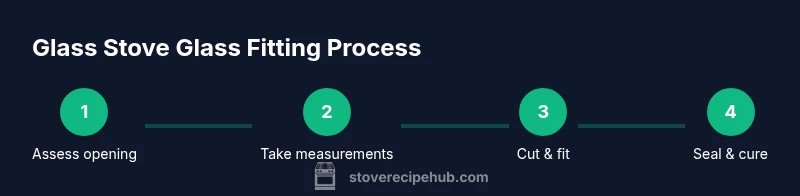
Mastering how to fit stove glass starts with safety and planning: power down, let the stove cool, and remove any damaged pane. Measure the opening precisely, cut a replacement pane to size, and seal with high-temperature silicone or ceramic sealant. Use heat-safe gloves, keep your workspace clean, and verify the pane sits flush before reassembling. If unsure, consult a professional.
Understanding the Glass and Opening
Stove glass is a specialized pane designed to withstand high temperatures, thermal cycling, and direct contact with heated surfaces. The most common materials are heat-tolerant ceramic glass and tempered variants, each with distinct thickness and mounting requirements. Before you begin, identify the exact pane type, thickness, and the mounting hardware used in your stove. If you’re unsure, consult the stove's manual or contact the manufacturer for approved replacements. Understanding the opening dimensions — width, height, and any bevels or rebates — is essential. A misfit can cause seal failure, heat loss, or glass breakage under warmth swings. Always confirm whether you need a full pane replacement or a bordered insert with a gasket. This initial assessment saves time and reduces risk as you proceed with measurements and cutting.
Pro tip: keep a small notebook of all measurements and a sketch of the opening so you don’t rely on memory later.
Safety prerequisites and workspace setup
Safety comes first when working with stove glass. Begin by ensuring the appliance is totally disconnected from any power sources if applicable and that the surface has cooled completely. Prepare a clean, well-lit workspace with ample room to lay out tools and glass pieces. Wear safety goggles to shield your eyes from glass shards, heat-resistant gloves to protect your hands, and a long-sleeved shirt to minimize skin exposure. Lay down a soft, impact-absorbing mat to cushion any drops and place a rigid, flat surface like a workbench or table covered with a protective cloth. Remove nearby items that could snag or trip you during cutting and handling. Finally, have a buddy nearby in case you need an extra pair of hands for moving heavy panes.
Accurate measurements and planning
Measurement accuracy is the backbone of a successful fit. Start by measuring the opening from edge to edge, then verify with a secondary measurement along perpendicular axes to catch any squareness issues. If you have a bevel or rebate, measure inside the groove as well as the opening’s outer edge. Record thickness by gently checking the existing pane or the manufacturer’s specification. Create a precise template or use a calibrated ruler and a square to mark the replacement pane. Remember to account for sealant thickness and any gasket gaps that will sit between the pane and the frame. A dry run with a piece of generic glass cut to the expected size can help verify fit before you cut the final piece.
Cutting and handling the glass safely
Cutting glass for stove use requires careful handling and a steady hand. Use a glass cutter with a sharp wheel and a straight edge clamped securely to guide your cut. Score the pane with even pressure along the template lines—avoid depth excursions that could cause chips. Break along the scored line by applying gentle pressure, using gloves to support the edge and prevent nicks. Deburr rough edges with a fine file or sandpaper designed for glass, then wipe dust away. Always keep the pane level and supported to prevent cracking. When trimming, make tiny incremental adjustments and test fit frequently against the opening until it sits snugly without binding. Dispose of scrap pieces safely in a sturdy container.
Fitting the glass and sealing
With the pane cut, perform a dry fit by placing it into the opening without sealant to confirm sizing. Clean all mating surfaces to remove dust, oil, and old sealant. Apply a continuous bead of heat-resistant silicone or ceramic sealant along the frame edge, then press the pane into place, ensuring it sits flat and flush. If your system uses a gasket, replace worn sections and seat the pane evenly to avoid gaps. Wipe away excess sealant promptly so it cures cleanly. Reinstall any hardware or brackets and gently snug the fasteners without overtightening, which could distort the frame or crack the glass.
Reassembly and curing
Reconnect any power sources if applicable and reassemble the stove’s components. Allow the sealant to cure according to the manufacturer’s instructions—this is usually several hours to a full day, depending on product specifications and ventilation. Keep the area well-ventilated and avoid turning the stove on until the sealant has fully cured to prevent a weak bond. After curing, inspect the edges for uniform contact and absence of gaps. A final gentle wipe with a damp cloth removes any residual sealant. If you notice any movement or gaps after curing, disassemble and reseal following the same steps, ensuring a tighter fit this time.
Maintenance and Long-Term Care
To extend the life of the fit, clean the glass with a non-abrasive cleaner and a soft cloth, avoiding harsh solvents that can degrade seals. Periodically check the frame for corrosion or loosening screws, and replace any worn gaskets to maintain a tight seal. Keep the surface free from dust and residue, which can contribute to overheating and reduced visibility. When replacing the glass again in the future, document the hinge or mounting changes you make to streamline future maintenance.
Troubleshooting Common Issues
If you notice a gap between the glass and frame, recheck the measurements and ensure the pane sits fully within the groove. Cracking or chipping typically indicates over-tightening brackets, uneven seating, or improper cutting. If the sealant fails to cure or odors persist, verify you used a product rated for appliance use and that the curing conditions (temperature and ventilation) meet the sealant’s guidelines. Inconsistent heat distribution or fogging can also signal a misfit; reassess both the pane and gasket to restore proper performance.
Safety Considerations and Warnings
Working with stove glass carries risk of cuts and burns. Always handle glass with protection, verify the stove is completely cool, and ensure no fuel or electrical components are exposed during repairs. Use glass that is specifically rated for high-heat environments and follow all manufacturer recommendations for thickness and mounting. If you are unsure about any step, stop and seek professional assistance to avoid dangerous mistakes.
Tools & Materials
- Safety goggles(ANSI-rated protective eyewear)
- Heat-resistant gloves(≥0.4–0.6 mm cut resistance; heat rating for handling hot components)
- Measuring tape(Metric and/or standard units; at least 1 meter/36 inches)
- Glass cutter with straight edge(Quality wheel; keep oil in the cutter if applicable)
- Replacement stove glass pane(Heat-rated, thickness matched to opening)
- Heat-proof silicone sealant(Ceramic or high-temperature silicone suitable for stoves)
- Gasket material (if applicable)(Only if your unit uses a gasket around the pane)
- Silicone spatula or putty knife(For smoothing sealant and cleaning excess)
Steps
Estimated time: 60-90 minutes
- 1
Power down and cool the stove
Switch off the stove and disconnect any power sources if required. Allow the surface to cool completely before you begin handling glass to prevent burns and thermal shock. This step reduces risk and ensures safe handling throughout the repair.
Tip: Double-check for residual heat and keep children away from the workspace. - 2
Remove damaged pane safely
Carefully detach any brackets or frames holding the pane. Gently lift out the damaged glass, supporting edges with gloved hands to prevent shard exposure. Place shards in a sturdy container for safe disposal.
Tip: Handle fragile pieces with two hands and wear cut-resistant gloves. - 3
Measure the opening precisely
Use a tape measure to determine width and height of the opening at multiple points. Note any irregularities or bevels and record the smallest dimension to ensure the new pane fits without binding.
Tip: Take two measurements from opposite corners to confirm squareness. - 4
Cut or source replacement glass
If cutting, score the pane with a glass cutter along your template lines and snap cleanly. Deburr edges with a file. If sourcing, verify thickness, type, and heat rating with the supplier before purchase.
Tip: Cut slightly larger then trim; you can’t remove more once cut. - 5
Dry-fit the replacement pane
Place the replacement pane into the opening without sealant to check fit. Ensure it sits flush with the frame and does not bind in any corner. Adjust as needed before proceeding to sealing.
Tip: A dry-fit saves rework later and prevents sealant waste. - 6
Seal the edges and seat the pane
Apply a continuous bead of high-temperature sealant along the frame where the pane will contact. Press the pane firmly into place and wipe away excess sealant before it cures.
Tip: Use a steady hand to avoid air pockets under the pane. - 7
Secure hardware and reassemble
Reinstall any brackets, screws, or gaskets. Tighten evenly to avoid warping, but do not over-tighten. Reassemble the surrounding trim so the pane is protected and sits correctly.
Tip: Check for any misalignment before final tightening. - 8
Cure and test
Allow the sealant to cure per manufacturer instructions. Once cured, recheck the seal and seating by gently pressing at the center of the pane. If everything is solid, you’re ready to use the stove again.
Tip: Ventilate the area to speed cure and avoid fumes.
Common Questions
Is it safe to replace stove glass yourself?
DIY replacement can be safe if you follow proper precautions: ensure the stove is cool, use protective gear, and work with the correct glass type. If you’re unsure about cutting or sealing, hire a professional.
Yes, with proper precautions. Make sure the stove is cool and you use the right materials; consult a pro if you're unsure.
What type of glass should I use for stove tops?
Use heat-resistant glass rated for high temperatures, typically ceramic or tempered glass designed for stove tops. Check manufacturer guidance and ensure thickness matches the opening.
Choose heat-rated glass designed for stove tops and follow the opening size.
How can I be sure the glass thickness is correct?
Measure the existing pane or opening and match the replacement to the same thickness. If in doubt, consult the stove manual for recommended specs.
Measure the opening and match the thickness to the original pane.
Can I reuse the old mounting brackets and seals?
You can reuse brackets if they’re undamaged and seating surfaces are clean. Replace worn seals and gaskets to maintain a proper seal.
Use undamaged brackets and replace worn seals.
What if the glass cracks during cutting?
If cracking occurs, stop, reassess your template, and switch to a fresh pane and a new score line. Do not continue with a damaged sheet.
If it cracks, stop and start with a fresh pane.
How long should the sealant cure before use?
Follow the sealant manufacturer’s cure time, typically several hours to a full day, with adequate ventilation.
Let the sealant cure as directed by the manufacturer, usually hours to a day.
Watch Video
Top Takeaways
- Measure twice, cut once for accuracy
- Choose heat-rated sealant for durability
- Perform a dry fit before sealing
- Follow cure times per sealant for best results
- Inspect pane regularly for chips or cracks