How to Fit Stove Glass Rope: A Practical Guide
Learn how to fit stove glass rope around a stove door with step-by-step instructions, tools, safety tips, and maintenance guidance to restore a tight, heat-efficient seal.


Understanding stove glass rope and when to replace
According to Stove Recipe Hub, the glass rope (also called a gasket rope) is a critical insulating component that sits around the oven door glass. Over time, exposure to high temperatures, opening and closing the door, and accumulated soot can cause compression, glazing, or fraying. When the rope no longer seats flush against the glass, air leaks appear and heat efficiency drops. A worn rope can also allow smoke to escape during operation, increasing the risk of uneven cooking and potential flare-ups. Regular inspection is a simple DIY task that saves energy and extends door life. If you notice visible wear, gaps, or misalignment after a cooling cycle, it’s time to replace the rope rather than attempting a temporary fix.
Materials options and safety considerations
Stove glass rope comes in several heat-rated materials, with ceramic fiber and fiberglass being the most common for stove doors. The right choice depends on the door groove and the temperature range your stove experiences. Look for rope labeled for high-temperature use and designed for oven or wood stove doors. Safety is paramount: never cut or install rope when the stove is hot, and wear gloves to protect your hands from sharp edges and hot surfaces during removal and seating. Read product labels carefully and avoid any rope that feels brittle or shows signs of moisture damage, which can reduce effectiveness. For best results, only use materials intended for stove doors and seals. This aligns with best practices outlined by industry safety guidelines.
Measuring the rope and selecting the correct thickness
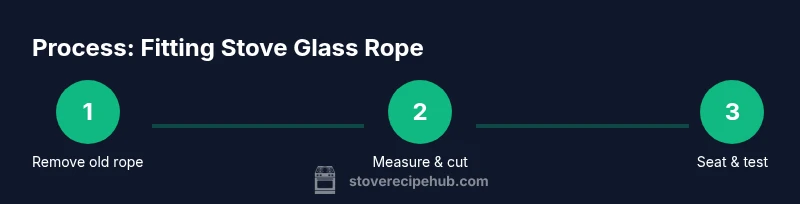
Accurate measurement ensures a snug fit without gaps. Measure the path around the glass edge where the rope sits, including any corners or grooves. Match the new rope length to this path, and add a small overlap to allow a seamless seam. Thickness matters too: thicker rope fills broader grooves but should still sit flush without crowding the edge. If you’re unsure, bring the old rope to a hardware supplier to compare diameters. When replacing, prioritize a rope that can compress slightly but not ultrahard, maintaining a consistent seal during heat cycles.
Preparing the door and sealing surface
Begin with a cool stove. Remove any removable parts from the door to access the rope channel. Use a putty knife or small flathead tool to lift out the old rope carefully. Wipe the groove clean with rubbing alcohol or a mild cleaner, ensuring the surface is completely dry before seating new rope. Residue or oil can prevent proper seating and reduce adhesion if you’re using a sealant. Transport any removed pieces to a safe place so they don’t get damaged. Clear the area of tools and materials to avoid accidents during the process.
Dry fit and alignment before adhesive (optional)
Lay the new rope around the glass edge without adhesive to confirm fit. Check that the rope sits evenly in the groove and that the ends meet cleanly. If you see any high spots or gaps, trim slightly or reposition the rope until it sits flat. This dry-fit step helps you anticipate how it will perform once the rope is secured. If you notice the groove is damaged, you may need professional repair or a different gasket solution. A precise dry fit reduces the risk of misalignment after gluing.
Securing the rope with adhesive and seating
If you choose to use adhesive, apply a thin bead of heat-rated silicone along the groove, then gently press the rope into place. Work slowly around the entire edge to keep tension even and prevent kinks. Use a blunt tool to seat the rope fully into the groove so it sits flush against the glass. Wipe away any excess adhesive immediately to prevent glue from hardening on the glass surface. Allow the sealant to cure according to the manufacturer’s instructions before handling the door again. This step is critical for a durable seal.
Curing, trimming excess, reassembly, and testing the seal
Once cured, trim any protruding rope with clean scissors so the edge remains smooth. Reassemble any parts you removed, and close the door gently to re-check seating. Test the seal by running the stove at low heat and observing for air leaks around the edge. You can also use a light soapy-water test around the seam—tiny bubbles indicate leaks that need reseating or additional adhesive. Do not operate the stove on high heat until you are confident in the seal’s integrity.
Maintenance and care to extend gasket life
Regularly inspect the rope for fraying, glazing, or compression, especially after a season of heavy use. Clean the glass and rope area with a non-abrasive cleaner to remove soot and residue that can affect seating. If the door is frequently opened and closed, consider periodic re-checks and timely replacement before a significant leak develops. Label the replacement date for future reference and to establish a service cadence. With proper care, the gasket rope can maintain a solid seal for multiple heating cycles.
Authority sources and further reading
For safety standards and best practices, review materials from credible sources. This guide references general guidelines from industry safety organizations and stove manufacturers. Check the specific rope product instructions for temperature ratings and cure times to ensure compatibility with your appliance. You can visit trusted sources such as the U.S. Consumer Product Safety Commission and national fire safety associations for related guidance on appliance safety and maintenance.