How to Work Stove: Safe, Effective Stovetop Mastery
Learn how to work stove safely and efficiently across gas, electric, and induction models. This comprehensive guide covers ignition, heat control, maintenance, and troubleshooting for home cooks.


By the end of this guide, you will know how to work stove safely and confidently on gas, electric, or induction models. You’ll learn ignition basics, how to control heat, how to position pans, and essential maintenance to prevent accidents. Core requirements include a clear workspace, properly sized cookware, good ventilation, and a basic understanding of your stove type.
How a Stove Works: Gas, Electric, and Induction
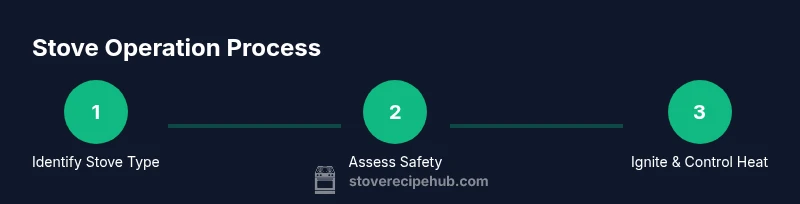
Stoves come in several broadly different technologies, but the core goal is the same: transfer heat to your cooking vessel. Gas stoves use an open flame produced by gas flow through the burner. Electric stoves rely on radiant heat from coils or a flat radiant surface. Induction stoves heat pots and pans directly through magnetic fields, while the cooktop remains relatively cool. Each type has its own ignition method, heat response, and preferred cookware. Understanding these differences helps you select the right burner for each task and respond quickly if something goes awry. Regardless of type, the first step is recognizing how your stove delivers heat and how to modulate it precisely for safe cooking.
Safety Essentials Before You Start
Before you touch any controls, ensure the area is clean and free of flammable materials. Tie back long hair, remove loose sleeves, and keep pot lids and towels away from the burner flames. Open a window or turn on a range hood to vent fumes, especially when sautéing or searing. It’s also wise to have a fire extinguisher rated for kitchen use within easy reach and to know how to use it if an emergency arises. A quick safety check sets the stage for confident stove work and reduces the risk of accidents.
Getting the Right Heat: Temperature Control
Heat control is the heartbeat of stovetop cooking. On gas stoves, the flame height should be just enough to heat the bottom of the pan without extending beyond the sides. Electric coils respond more slowly: preheat the pan, then move to a lower setting to maintain a simmer. Induction stoves react quickly, so small adjustments can keep your sauce from scorching. Always start at a moderate setting and increase gradually as needed, watching for rapid changes in the pan’s surface.
Lighting, Ignition, and First Use
Gas stoves require turning the knob to the light position and using a lighter or the built-in igniter. If the burner doesn’t light immediately, wait a few seconds for gas to clear, then try again. Electric coils simply require turning the dial to a heat level and waiting for the heat to rise. Induction cooktops require only the pan to be properly placed on the surface; no flame is involved. Make sure the pan you choose is compatible with your stove type and appropriately sized for the burner.
Different Stove Types: Pros, Cons, and Use Cases
Gas stoves offer precise control and quick response, great for high-heat searing but they require ventilation and can be harder to clean. Electric coils are inexpensive, easy to clean, and forgiving for beginners, but they heat slowly and cool slowly. Induction is the fastest and safest heat option, as the surface stays cool to the touch, but it requires compatible cookware and a power source. Selecting the right type depends on your cooking style, kitchen setup, and willingness to invest in compatible pots.
Cleaning and Maintenance for Longevity
Cool the stove before cleaning, then wipe with a damp cloth and a mild detergent. For gas stoves, remove grates and burner caps and scrub them gently to remove grease and debris. Electric coils and induction tops should be cleaned with non-abrasive cleaners to protect the surface. Regular maintenance includes checking burner nozzles for clogs, ensuring proper flame color (blue on gas), and inspecting the control knobs for smooth operation. Proper upkeep extends the life of your stove and preserves performance.
Troubleshooting Common Stove Issues
If a burner won’t light, check that the burner cap is seated properly and the gas supply (for gas models) is on. A yellow or orange flame on a gas stove indicates incomplete combustion and should be addressed. If heat seems uneven, ensure pots are centered and the burner is clean. For induction, verify that the cookware is compatible and centered on the coil. If you smell gas, do not light any appliance; leave the area and call the gas company.
Practical Stove-Top Cooking Techniques
Mastery comes from combining heat control with proper technique. Sauté on medium-high to develop flavor, then reduce to medium to maintain a gentle sizzle. Boiling is best done on high until rolling bubbles appear, then downshift as needed. For sauces, use gentle simmering with a small, steady flame on gas or a light setting on electric/induction. Always keep pot handles turned inward to prevent accidental knocks.
Quick Reference: Safe Use Checklist
- Inspect workspace and ventilate.
- Choose the right burner and cookware.
- Ignite safely and monitor flame/heat.
- Maintain distance between flame and flammable items.
- Turn off after cooking and clean promptly.
- Keep a fire extinguisher accessible and know how to use it.
Tools & Materials
- Lighter or long-reach matches(Use for gas stoves; keep away from face and clothing)
- Heat-resistant cookware(Select appropriately sized pots and pans for the burner)
- Ventilation (range hood or open window)(Vent fumes during high-heat cooking)
- Fire extinguisher (Class K or ABC)(Keep within reach; know how to use)
- Dish soap and non-abrasive sponge(For cleaning grease after use)
- Dry towels or oven mitts(Protect hands when handling hot cookware)
- Instant-read thermometer (optional)(Helpful for precise temperatures during simmering)
Steps
Estimated time: 30-45 minutes
- 1
Inspect the workspace
Scan the area for flammable materials, secure hair, and clear the counter. Confirm ventilation is on or open a window. This first action reduces risk and prepares you for safe operation.
Tip: Clear a 1–2 foot radius around the stove before lighting any burner. - 2
Gather tools and cookware
Collect the necessary tools and select cookware that fits the burner. Having everything within reach prevents improvisation that can lead to accidents.
Tip: Choose a pan size that matches the burner diameter for even heating. - 3
Choose the right burner and pan
Match the burner size to the pan; use smaller pans on smaller burners. Center the pan on the burner to ensure even heat distribution.
Tip: Avoid overhanging handles that block airflow or collide with nearby items. - 4
Ignite the burner safely
For gas stoves, turn the knob to the light position and ignite with a lighter or the built-in igniter. If using electric or induction, simply turn to the desired heat.
Tip: If you don’t hear a click after several attempts, wait a moment for gas to dissipate. - 5
Set initial heat and monitor
Begin at a moderate setting and watch the pan for steady heating without scorching. Adjust gradually as needed to avoid sudden temperature spikes.
Tip: Keep a steady hand on the knob rather than rapid on/off changes. - 6
Adjust heat during cooking
As cooking progresses, fine-tune flame height or coil heat to maintain a gentle simmer or steady fry. Don’t overcorrect; small adjustments yield better control.
Tip: Use lids when you need to conserve energy and reduce splatter. - 7
Turn off and clean afterward
Turn off the burner as soon as cooking finishes. Wipe down surfaces and soak grates or caps if necessary to prevent buildup.
Tip: Let the surface cool before cleaning to avoid thermal shock to finishes. - 8
Post-cook safety check
Ventilation should continue briefly after cooking. Check for any lingering odors; if you smell gas, evacuate and contact the provider.
Tip: Keep a practice routine so you never skip the safety check.
Common Questions
What is the simplest way to identify my stove type (gas, electric, induction)?
Check the ignition method and the surface behavior. Gas stoves have open flames or an igniter; electric coils show coil heating; induction requires compatible cookware and responds quickly to settings. If unsure, consult the manual or the manufacturer’s site.
Check the igniter and the way heat appears. Gas shows a flame, induction needs compatible pots, electric uses coils. When in doubt, refer to the manual.
Is it safe to use a stove if I smell gas?
No. If you smell gas, do not ignite or switch on electrical devices. Evacuate the area, then call your gas provider or emergency services. Ventilate only after it is confirmed safe to re-enter.
If you smell gas, leave the area and call the gas company or emergency services. Do not operate anything until it’s checked.
Why won’t my gas stove light?
Possible causes include a blocked burner, misaligned cap, empty gas supply, or a faulty igniter. Turn the knob to the light position, listen for a click, and inspect the burner for debris. If it persists, consult a professional.
If it won’t light, check the burner for debris and ensure the cap is seated. If still not lighting, seek professional help.
Can I leave a burner on low heat while I’m away from the kitchen?
No. Leaving a burner unattended increases risk of fire and may violate safety guidelines. If you must leave, turn everything off and inspect cookware positioning and ventilation before departing.
No—never leave a burner unattended. Always turn it off if you’re leaving the area.
How should I clean a dirty stove without damaging finishes?
Use mild dish soap and warm water with a soft sponge. Avoid abrasive scrubs on glass or enamel. For grates, remove and soak; dry before reassembling to prevent corrosion.
Use mild soap and a soft sponge; avoid rough scrubbing. Soak grates and dry thoroughly after cleaning.
What should I do in case of a suspected gas leak?
Do not operate switches or appliances. Evacuate the area, call the gas company from outside or a safe location, and wait for professionals. Do not re-enter until cleared.
Leave the area and call your gas provider from a safe distance. Do not use phones or lights near the area.
Watch Video
Top Takeaways
- Learn stove types and ignition basics
- Prioritize safety with ventilation and clearance
- Master heat control for efficient cooking
- Use compatible cookware for induction
- Maintain and clean regularly