What to Do If a Stove Is Left On: A Practical Safety Guide
Learn practical, step-by-step safety actions if a stove is left on, plus prevention tips, what to check after, and when to call for help. A thorough guide for home cooks aiming to keep kitchens safe.


If the stove is left on, act quickly to ensure safety and minimize fire risk. This guide walks you through immediate safety steps, how to shut off the flame or power, when to call for help, and how to prevent recurrence. You’ll learn practical checks for gas and electric stoves, plus simple habits to stay vigilant in a busy kitchen.
Immediate Safety Actions
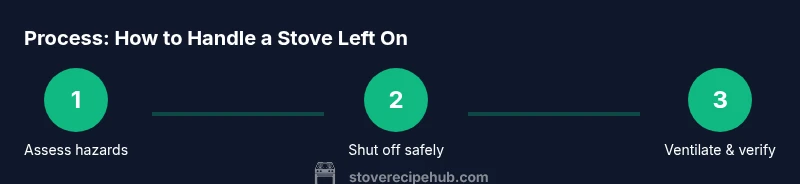
If you suddenly realize that the stove is left on, act quickly to reduce risk and protect everyone in the kitchen. According to Stove Recipe Hub, quick, calm decisions are the difference between a near-miss and a fast-moving emergency. The first priority is to assess whether anyone is in danger and to determine whether it is safe to reach the stove to shut it off. If there is heavy smoke, flames, or a strong gas odor, evacuate immediately and call emergency services. If the room is clear, approach the appliance carefully: trim back clothing, avoid loose sleeves, and keep a safe distance while turning the knob to the off position or flipping the circuit breaker. Do not touch hot surfaces with bare hands; use a dry oven mitt if you must handle cookware. After turning the stove off, ventilate by opening doors and windows if air quality allows, and use a fan to circulate fresh air. Verify that all control knobs indicate Off, then re-evaluate the space for lingering heat or smells.
Gas vs Electric: Differences in Response
When you realize a stove is left on, the response differs depending on whether you have a gas or electric model. Gas stoves require shutting off the gas supply at the wall valve or meter if accessible and safe to reach. Electric stoves require cutting power at the breaker or unplugging the appliance, which is safer if there’s no gas odor. The presence of a gas smell, hissing sound, or visible flames should prompt immediate evacuation and a call to emergency services. For electric stoves, a strong burning smell indicates internal wiring heat and warrants shutting off power and ventilating, then assessing for any signs of damage. Remember, do not mix actions: if you cannot safely turn off the gas or power, evacuate and call for help. This distinction is essential to prevent escalation when the stove is left on.
How to Shut Off Safely: Gas and Electric Steps
First, identify the safe path to the shutoff. For gas stoves, you’ll typically turn the burner knob to the Off position, then slowly reach the wall gas valve and close it if you can do so without crossing a hot surface. For electric stoves, switch off the burner at the control knob, then flip the circuit breaker to Off for the relevant line. If you’re unsure, prioritize safety and evacuate, then call for help. Once shut off, wait a few minutes to ensure the surface is cool before handling cookware with mitts. After confirming power and gas are off, ventilate the space and monitor air quality for several minutes.
Ventilation and Smoke Management After Left-On Incidents
Ventilation matters to clear heat and fumes quickly. Open exterior doors and windows if safe to do so, and use a fan to push air out of the room rather than creating a cross-breeze that could push smoke toward you. If you notice persistent smoke or a strong odor, leave the area and call emergency services. Keep ignition sources away from any escaping vapors and avoid re-entering until it’s clear. Proper ventilation reduces irritation and helps you assess whether there is any hidden damage to cookware, the burner, or the wiring.
Post-Incident Checks and Safety Verification
After the stove is off and the area is ventilated, conduct a careful safety check. Look for signs of continued heat on burners, odors, or unusual noises from the control panel. Inspect cookware and surfaces for scorching or damage. If you used the gas supply, ensure the valve is fully closed and that there are no gas leaks—if you detect gas, evacuate and call emergency services. Install or verify the functionality of CO detectors, and test them after any incident. Document the circumstances: time, what happened, and actions taken to help prevent recurrences.
Prevention: Habits to Prevent Stove Left On
Prevention starts with consistent habits. Always turn off burners completely after cooking, verify the knob positions, and keep a small routine to check the stove at the end of use. Place a reminder near the kitchen exit or set a timer to remind you if you’ve stepped away. In households with children or pets, use stove safety guards or turn off power when you’re not actively cooking. Regular maintenance can catch faulty switches or weak ignition systems before they cause problems. Consider smart plugs or a dedicated safety switch if appropriate for your setup.
When to Call for Help and What Information to Provide
If you detect flames, smell gas, or cannot determine whether the stove is safely off, call emergency services. Provide your location, describe the appliance type (gas or electric), and mention any signs of gas smell, smoke, or fire. If it’s safe to do so, check on others and evacuate if necessary before responders arrive. For non-emergency concerns, contact your local utility or appliance technician for a licensed safety check and service.
Maintenance and Upgrades for Safer Kitchens
Regular maintenance keeps a kitchen safer over time. Schedule periodic inspections of gas lines, valves, and regulators; replace worn knobs and ignition systems; and test smoke and CO detectors monthly. If you notice brittle wires or signs of overheating, consult a licensed professional before reuse. Consider upgrading to modern safety features such as flame failure devices or smart alarms that alert you if a burner is left on. Keeping your kitchen updated reduces the risk of accidents when a stove is left on.
Common Missteps and Quick Fixes After an Incident
Common missteps include re-entering the kitchen too soon, reactivating a hot burner after a close call, or assuming a short ventilating window is enough. Take time to re-check the space, re-verify the Off position, and run a safety check on nearby outlets. If you’ve extinguished a grease fire, do not reuse water; use an appropriate extinguisher or baking soda. When in doubt, pause and call for professional help to ensure no hidden hazards remain.
Tools & Materials
- Fire extinguisher (class ABC)(Keep accessible in the kitchen; know how to use it)
- Smoke detector(Replace batteries annually; test monthly)
- CO detector(Place on every level; test regularly)
- Flashlight(Power outage or low visibility scenarios)
- Mobile phone(For emergencies and to contact helpers)
- Oven mitts(Heat-resistant gloves for handling cookware)
- Basic first-aid kit(In case of minor burns or injuries)
Steps
Estimated time: 60-90 minutes
- 1
Assess immediate hazards
Scan the area for flames, smoke, and gas odors. If anyone is in danger or if there is visible fire, evacuate immediately and call emergency services. If the scene is safe, proceed calmly to the next steps.
Tip: Keep a clear path to the door and avoid rushing past hot surfaces. - 2
Shut off the burner(s) safely
Turn the burner knob to Off using steady, controlled movements. If you can reach the wall valve and it’s safe, close it to stop gas flow. Do not attempt to move cookware while the surface is still hot.
Tip: Use an insulated mitt and keep your balance; don’t reach over open flames. - 3
Cut power if needed
If the burner cannot be shut off safely or there is an electrical smell, switch the circuit breaker to Off for the stove’s circuit. Do not press or yank switches if there are signs of damage.
Tip: Turn off power at the main panel if you’re unsure which breaker controls the stove. - 4
Ventilate the area
Open exterior doors and windows, and use a fan to push air outside. This helps clear heat, fumes, and potential smoke while you assess safety.
Tip: Avoid creating a strong cross-breeze that could blow smoke toward you. - 5
Inspect for lingering hazards
Once the area has cooled, check for hot surfaces, unusual smells, and any signs of damage to cookware or wiring. If anything feels off, wait for a professional assessment before using the stove again.
Tip: Do not ignore faint odors indicating a possible leak or component fault. - 6
Call for help if necessary
If you still sense gas, hear hissing, or see flames, evacuate and call emergency services immediately. Provide location, appliance type, and hazard details.
Tip: Having your address handy speeds up emergency response. - 7
Reset and sanitize
After clearance, reset any timers, wipe down surfaces, and sanitize cookware that may have come into contact with heat or fumes. Ensure the area is structurally sound before resuming cooking.
Tip: Keep a small log of what happened for future reference. - 8
Document and adjust habits
Record the incident, identify cause and contributing factors, and adjust routines to prevent recurrence. Training household members on safety is helpful.
Tip: Create a simple kitchen safety checklist to follow daily. - 9
Schedule a safety check
If you notice any irregularities in the stove’s performance, schedule a professional inspection to ensure no hidden hazards remain.
Tip: Regular maintenance minimizes risk over time.
Common Questions
What should I do first if I realize the stove is left on?
Assess safety, turn off the burner or power if possible, evacuate if there’s smoke or gas smell, and call emergency services if danger persists.
First, check for danger, then shut off the stove or power. If you smell gas or see flames, evacuate and call for help.
Is it safe to relight the stove after turning it off?
Only after you’ve confirmed the space is safe, there’s no gas leak, and there’s no lingering smoke. If unsure, ask a professional.
Relight only after you’re sure it’s safe and there’s no gas leak.
Can a left-on stove cause a fire even with no flame?
Yes. Heat buildup, electrical faults, or oil on a hot surface can ignite even without an active flame.
Heat buildup or faults can start a fire even if there’s no flame.
What if someone is asleep and leaves the stove on?
Wake them if safe, assess the situation, and follow the safety steps. Evacuate and contact help if there’s any risk.
Wake them, then follow safety steps. Call for help if needed.
When should I call emergency services?
If you smell gas, see flames, hear gas sounds, or cannot safely control the situation, evacuate and call emergency services.
Call emergency services if you smell gas or can’t safely manage the situation.
Does a left-on stove pose CO risk?
Gas stoves can release carbon monoxide if they malfunction; use CO detectors and ventilate after an incident.
Yes, gas stoves can produce CO; detectors help keep you safe.
Watch Video
Top Takeaways
- Act quickly to shut off the stove and assess safety.
- Know the difference between gas and electric shutoff procedures.
- Ventilate thoroughly before reusing the kitchen.
- Regularly test detectors and maintain safety equipment.
- Document incidents and adjust routines to prevent recurrence.