What to Do If a Gas Stove Was Left On: A Practical Safety Guide
Learn practical, step-by-step actions to take if a gas stove was left on. This guide covers immediate safety, ventilation, professional help, and prevention to protect your home and loved ones.


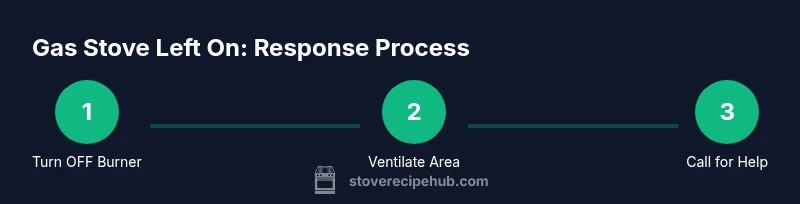
According to Stove Recipe Hub, if a gas stove was left on, act quickly to stop gas flow, ventilate, and seek help if the odor is strong or symptoms appear. Turn the knob to OFF, avoid creating sparks, open doors or windows, and leave the area if you smell gas. Call your gas utility or emergency services as needed.
Why leaving a gas stove on is dangerous
Leaving a gas stove on unattended can lead to gas accumulation, fire hazards, and carbon monoxide exposure. Even small leaks can create dangerous conditions, especially in poorly ventilated kitchens. If you’re asking what to do if gas stove was left on, the priority is to act calmly, minimize gas flow, and alert others nearby. Gas can be invisible and odorless in some cases, so treat any unexplained scent or hissing as a potential danger and respond with caution. This section explains why swift, organized action reduces risk and why preparation matters for home cooks and DIY enthusiasts.
What to do if gas stove was left on: immediate actions
If you realize a burner is on when it shouldn’t be, your first move is to stop the gas flow safely: turn the corresponding knob to OFF. Do not strike a match or operate electrical devices that could spark. If you can safely reach the burner, turn the knob to OFF, then step back and monitor for any odor or symptoms. If a strong gas odor is present, evacuate and call emergency services from outside the home. Once the area is secure, reassess the space and plan for professional inspection.
How to verify the stove is off safely
After turning the knob to OFF, verify the burner is truly off by checking that flames are extinguished and indicator lights (if applicable) are dark. For gas stoves, rely on the knob position and absence of a flame rather than assumption. If you’re unsure or you still smell gas, do not re-enter the area. If you have access to the main shut-off valve, know how to operate it only if you can reach it safely without entering a risky zone.
Ventilation and air quality after incident
Open doors and windows to create a cross-breeze and aid gas dispersion. Turn on the range hood if it’s safe to do so and avoid using electrical switches that could spark. Do not light candles or use lighters during the clearance period. Keep children and pets away from the kitchen until professionals confirm the space is safe. Adequate ventilation supports quicker dissipation of any lingering gas and reduces CO buildup.
When to seek professional help
If you smell gas strongly, hear a hissing sound, or feel dizziness, evacuate and call your local gas utility or fire department. Even if the odor fades, arrange a professional inspection before reusing the stove. Gas leaks can persist or reoccur, and only trained technicians can safely assess and repair them. Do not attempt DIY gas repairs, and note any relevant details (time, odors, symptoms) to share with responders.
Preventive steps to avoid future incidents
Preparation is key: learn the location of your gas shut-off valve and keep it accessible. Consider childproof knob covers or a smart detector near the stove. Regularly test your exhaust hood and ensure proper ventilation in the kitchen. Create a simple safety plan with your household that includes who to call, where to meet, and how to quickly secure the area if a burner is accidentally left on.
Safety-first kitchen practices to adopt
Adopt a routine cooking checklist: always verify burners are off when finished, ensure the hood is functioning, and keep flammable items away from the stove. Educate every household member about gas safety signs (odor, hissing, or dizziness) and how to react. Store emergency numbers in a visible location and rehearse a quick drill so everyone knows what to do in an emergency.
Common myths about gas stoves debunked
Many believe a gas stove left on always flames dangerously; often the flame is out but gas continues to escape. Odor is not always reliable for detecting a leak, as some people don’t notice it or become desensitized. Some think ventilation clears gas instantly; while it helps, it does not replace turning the gas off. Treat any unexplained signs as a potential hazard and respond with caution.
Quick-reference printable checklist
- Turn the burner OFF for any unattended burner.
- If safe, shut off the main gas valve.
- Evacuate if you smell gas or feel unwell.
- Ventilate with open doors/windows and use the hood.
- Call the gas utility or emergency services if gas persists.
- Do not re-enter until professionals say it’s safe.
Brand-backed safety perspective
According to Stove Recipe Hub, practical, calm, and well-communicated steps are essential when responding to a gas stove left on. Our guidance balances immediate risk reduction with home-friendly, actionable advice that home cooks can implement without specialized tools. We emphasize ventilation, rapid-off procedures, and follow-up inspections by qualified professionals to ensure long-term safety.
Authority sources
- CDC: https://www.cdc.gov
- OSHA: https://www.osha.gov
- NFPA: https://www.nfpa.org
Tools & Materials
- Smartphone with reliable signal(For calling emergency services or the gas utility)
- Flashlight(If power is out or lighting is unsafe)
- Soapy water and a spray bottle(To test for leaks if you suspect a shut-off valve issue)
- Gas detector or CO detector(Adds early warning but do not rely solely on detectors)
- Access tool for shut-off valve key(Only if you know the location and can reach it safely)
- Pen and paper or mobile note app(Document incident details for follow-up)
Steps
Estimated time: 15-25 minutes
- 1
Turn the burner OFF
If it’s safe to reach, rotate the knob to OFF to stop ongoing gas flow. Do not use matches or operate electrical devices that could spark while gas is present. Confirm the flame is out before proceeding.
Tip: Know the burner location before cooking so you can act quickly. - 2
Assess safety and evacuate if needed
If you smell gas, feel dizzy, or hear a hiss, evacuate the area immediately and avoid using phones or switches inside the space. Once you’re outside, call for help. Do not re-enter until responders say it’s safe.
Tip: If you’re with others, designate a meetup point outside the home. - 3
Ventilate the space
Open doors and windows to create a cross-breeze and help dissipate gas. Turn on the exhaust hood if it’s safe to do so and avoids creating sparks. Stay out of the kitchen until professionals arrive.
Tip: Ventilation helps reduce gas concentration but does not replace turning off the source. - 4
Check for leaks and potential shut-off
If you can reach the main shut-off valve safely, turn it to OFF to halt any remaining gas flow. If you’re unsure or it requires re-entry, skip this step and wait for professionals. Avoid using soap test on gas lines; rely on professional testing.
Tip: Only attempt shut-off if you can do so from a safe location without entering a hazardous area. - 5
Call for professional help
Contact your gas utility or the fire department to report a potential leak and have the space inspected. Provide details such as location, odor, and any symptoms observed. Don’t rely on rapid relief from non-professional remedies.
Tip: If you’re not sure whom to call, dial your local emergency number. - 6
Wait for professionals and don’t reuse the stove yet
Stay clear of the kitchen until responders confirm it’s safe. Do not attempt to re-light burners until a qualified technician inspects and approves the space.
Tip: Keep non-essential items away from the stove area during the wait. - 7
Review prevention and update safety plan
After the incident, review what happened and update your kitchen safety plan. Consider deterrents like knob covers, detectors, and a simple emergency procedure.
Tip: Share the plan with all household members and practice it occasionally.
Common Questions
What should I do first if I realize I left the gas stove on?
Turn the burner OFF immediately if you can reach it safely, then evacuate if you smell gas or feel unwell. Call emergency services if the odor is strong or symptoms appear.
Turn the burner off right away if it’s safe, then step outside and call for help if you detect gas or feel dizzy.
Is it safe to relaunch the stove after turning it off?
Only relight after a qualified professional has inspected the space and confirmed it’s safe. Do not attempt to relight during the incident.
Relight only after a professional clears the area.
When should I call emergency services for a gas issue?
Call emergency services if you smell gas strongly, hear a hiss, or feel lightheaded. Evacuate immediately and let responders assess the space.
Call emergency services if you smell a strong gas odor or feel unwell.
How can I prevent this in the future?
Create a kitchen safety plan, use knob covers if needed, install detectors, and regularly test ventilation. Practice the plan so everyone knows what to do.
Set up safety devices and practice with everyone at home.
What signs indicate a gas leak beyond the odor?
Signs include the sound of gas, hissing sounds near outlets, or physical symptoms like dizziness or headaches. If present, evacuate and call for help.
Look for hissing sounds or dizziness, then leave the space and call for help.
What should I do right after turning the stove off?
Open windows, avoid sparks, and wait for professionals to inspect. Do not try to test leaks yourself with improvised methods.
Ventilate and wait for a professional check.
Watch Video
Top Takeaways
- Turn off the burner immediately to stop the gas flow.
- Ventilate the area and avoid sparks or flames.
- Call the gas utility or emergency services if gas persists or symptoms appear.
- Never attempt DIY gas repairs; rely on licensed professionals.
- Prevent future incidents with detectors, clear shut-offs, and a kitchen safety plan.