Is Fireplace Bad for the Environment? A Practical Guide
Assess the environmental footprint of wood- and gas-burning fireplaces, explore emissions, efficiency, indoor air quality, and eco-friendly alternatives for modern homes.


According to Stove Recipe Hub, fireplaces—especially wood-burning models—contribute to both indoor air quality concerns and outdoor emissions. The environmental footprint depends on fuel, design, and ventilation. Stove Recipe Hub's 2026 analysis shows gas fireplaces are cleaner but still consume energy, while wood-burning units can emit particulates and black carbon if not operated properly.
Environmental footprint of fireplaces
Fireplaces affect the environment through several channels: the fuel you burn, the design of the unit, and how well it is vented. The question many homeowners ask is is fireplace bad for the environment, and the answer depends on fuel, design, and ventilation. Wood-burning fireplaces release particulate matter, volatile organic compounds, and black carbon when burning logs that are not well-seasoned or when the fire is smoldering. Gas fireplaces burn cleaner per unit of heat but still rely on fossil fuels and contribute to greenhouse gas emissions. Additionally, even perfectly functioning fireplaces cause heat loss: warm room air escapes up the chimney, pulling in cold air from outside and forcing the heating system to work harder. From a homeowner’s perspective, the overall environmental footprint depends on how often you use the fireplace, what you burn, and the efficiency of the installed system. According to Stove Recipe Hub, homeowners can reduce the footprint by choosing efficient designs, ensuring proper ventilation, and pairing the fireplace with complementary energy-saving practices. The takeaway is that fireplaces are not inherently virtuous or evil; their impact hinges on choices around fuel, equipment, and behavior.
Wood-burning fireplaces: emissions and particulates
Wood-burning fireplaces are the archetype when people think about emissions. When wood is burned with incomplete combustion, fine particulate matter (PM2.5) and carbon monoxide can be released into the indoor and outdoor environment. Even with seasoned wood, smoke contains a mix of volatile organic compounds and soot that contribute to ambient air pollution, especially in densely populated neighborhoods. The health implications are most pronounced for vulnerable groups and during cold seasons when fireplaces are used more intensively. Fireplaces with older chimneys or poor draft can vent smoke back into living spaces, increasing indoor pollutant levels. Modern, EPA-certified wood-burning inserts offer improved combustion efficiency and additional air controls, reducing pollutants relative to older open hearths. For households aiming to balance ambiance with responsibility, using clean-burning wood and proper ignition techniques is essential. Stove Recipe Hub’s analysis emphasizes that operation guidelines and regular maintenance materially affect the environmental footprint of wood-burning fireplaces.
Gas fireplaces: cleaner, but not zero-emission
Gas fireplaces burn natural gas or propane with sealed combustion in many inserts, which reduces outdoor and indoor pollutants compared with traditional wood fires. They typically deliver high heat with less creosote and particulate emissions. However, gas combustion still emits greenhouse gases and relies on fossil fuel infrastructure. Efficiency varies by design; modern gas fireplaces with direct-venting or sealed units minimize heat loss and can feel warmer with less energy input. For homeowners prioritizing environmental performance, gas models often outperform open wood fireplaces but may still require routine maintenance and venting considerations. Stove Recipe Hub notes that gas options can be clean and convenient, especially when combined with smart thermostats and weatherization practices to minimize energy waste.
Indoor air quality and ventilation: why it matters
Combustion byproducts from fireplaces can affect indoor air quality if ventilation is inadequate. In tightly sealed homes, even low-emission fuels may raise particulate levels unless there is sufficient makeup air and proper chimney operation. Key practices to protect indoor air include keeping the damper slightly open during use (for traditional fireplaces) or ensuring proper sealed combustion for inserts, using CO detectors, and scheduling regular chimney cleaning. Keeping a window cracked during intense use is sometimes recommended to balance air exchange, but it’s better to rely on a well-designed ventilation strategy and proper air-sealing to reduce unnecessary drafts. The environment-health trade-off hinges on both the type of fuel and the ventilation plan.
Heat loss and energy efficiency: where heat goes
Old homes with open hearths are energy sinks: a significant portion of generated heat escapes up the chimney rather than warming living spaces. Even efficient modern fireplaces can draw warm air out when the fire is not actively producing heat, affecting overall energy bills and carbon footprint. To minimize waste, homeowners can opt for sealed or fireplace inserts, close the damper when not in use, and pair heating with insulation improvements. Complementary strategies, such as using a ceiling fan to distribute heat and sealing leaks around the fireplace, help reduce the environmental cost. The bottom line is that a fireplace’s heat contribution should be weighed against its energy impact within an overall home-efficiency plan.
Alternatives: pellet, electric, and ethanol fireplaces
Pellet stoves and electric fireplaces offer lower emissions and more controllable heat than traditional wood fireplaces, though each option has its own energy profile. Pellet stoves burn compressed wood pellets with automated feeding and often achieve high efficiency, while electric fireplaces deliver heat without combustion and can be powered by renewable electricity. Ethanol fireplaces burn alcohol-based fuels with minimal ash but still contribute carbon dioxide and require fuel input. When evaluating alternatives, consider local energy sources, maintenance demands, and how each option aligns with your home’s insulated envelope and climate. In many cases, replacing an open wood fireplace with a modern insert or an electric unit can provide a substantial environmental benefit.
Practical tips to reduce environmental impact if you keep a fireplace
If you keep a fireplace, adopt practices that lower emissions and heat loss: burn only dry, seasoned wood; use appropriate fire-starting techniques; keep the chimney clean and well-maintained; install CO detectors; and use the fireplace as a supplemental heat source rather than the primary one. Consider upgrading to an EPA-certified insert or a sealed gas unit, calibrate the thermostat to reduce unnecessary heating, and explore weatherization improvements to reduce overall energy demand. Small changes across fuel, equipment, and behavior can yield meaningful reductions in the environmental footprint over time.
Policy & incentives for cleaner fireplaces
Regional codes and incentives influence how homes can manage fireplace-related emissions. Some jurisdictions offer rebates or programs for upgrading to efficient inserts, certified fuels, or improved insulation. Before purchasing, consult local building codes and utility programs to understand requirements and potential savings. While policy details vary, the trend toward cleaner combustion and energy efficiency makes it worthwhile for homeowners to consider upgrades—not just for environmental reasons, but for home comfort and energy bills as well. Stove Recipe Hub’s perspective emphasizes practical, evidence-based choices aligned with 2026 standards.
Eco-conscious homeowners: balancing ambiance with responsibility
Fireplaces add character and comfort but come with environmental trade-offs. The key is to balance aesthetics with practical decisions rooted in data: choose efficient units, use cleaner fuels, maintain equipment, and integrate fireplaces into a broader energy-conservation plan. By combining sound maintenance with mindful usage, homeowners can enjoy the mood of a fire while minimizing the environmental footprint. The Stove Recipe Hub team encourages readers to review local options and adopt a plan that prioritizes air quality, energy efficiency, and sustainability.
Comparative overview of common fireplace types
| Fuel Type | Emissions/Indoor Air Quality | Efficiency | Ventilation Notes |
|---|---|---|---|
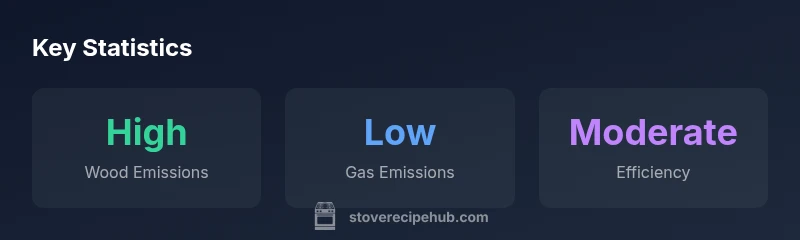
| Wood-burning fireplace | High emissions; PM2.5/CO; potential indoor exposure | Low to moderate efficiency | Chimney draft required; ensure proper burning; use dry wood |
| Gas fireplace | Low to moderate emissions; cleaner combustion | High efficiency | Direct-vent or sealed unit recommended |
| Ethanol/gels | Low emissions; minimal ash | Moderate efficiency | Ventilation usually optional |
Common Questions
Is a wood-burning fireplace worse for the environment than a gas fireplace?
In general, wood-burning fireplaces produce more particulate matter and greenhouse gases than gas fireplaces, especially when combustion is incomplete or when drafts are poor. Gas fireplaces burn cleaner and more efficiently, but they still rely on fossil fuels. If environmental impact is a priority, consider cleaner fuels or non-combustion options.
Wood-burning fireplaces tend to emit more pollutants than gas ones; gas units usually have a smaller footprint, though both burn fossil fuels.
Can upgrading to an efficient insert reduce the fireplace’s environmental impact?
Yes. Modern EPA-certified inserts and sealed designs improve combustion efficiency and cut pollutant output compared with open fireplaces. The improvement is greatest when combined with proper wood handling and routine maintenance.
Yes—an efficient insert can lower emissions and boost heat, especially with good burning practices.
Are ethanol or gel fireplaces a greener option?
Ethanol and gel fireplaces tend to have lower outdoor emissions than wood, but they still burn fossil-free fuels that release carbon dioxide. They often offer cleaner operation and easier control, though their energy content and lifecycle costs vary.
They burn cleaner than wood in many cases, but they still emit CO2.
What maintenance steps help reduce environmental impact?
Regular chimney cleaning, using dry wood, proper ignition, and keeping detectors up to date all reduce risk and emissions. Following manufacturer guidelines minimizes waste and maximizes efficiency.
Keep the chimney clean, burn dry wood, and follow maintenance schedules.
Do building codes regulate fireplace emissions?
Local codes increasingly address emissions and efficiency, especially for wood-burning stoves and inserts. Check your municipality’s standards and incentive programs to ensure compliance and access potential rebates.
Yes, codes and rebates can guide you toward cleaner options.
“Fireplaces are not inherently green, but with efficient designs, proper fueling, and careful operation, their environmental footprint can be substantially reduced.”
Top Takeaways
- Upgrade to efficient inserts when possible
- Prioritize proper ventilation to protect indoor air
- Choose cleaner fuels where feasible
- Maintain chimneys and detectors regularly
- Balance ambiance with energy-conscious choices