What is a good range for triglycerides? A practical guide (2026)
Learn the healthy triglyceride ranges, what counts as normal, and practical steps to lower levels through diet and lifestyle in 2026.


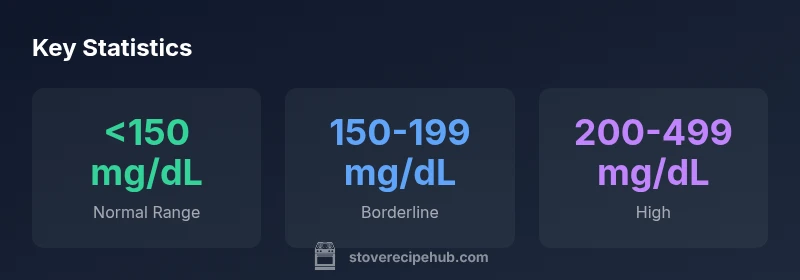
A good fasting triglycerides range is under 150 mg/dL. Levels from 150–199 mg/dL are borderline high, 200–499 mg/dL are high, and 500 mg/dL or more are very high. These thresholds help gauge heart disease risk alongside other lipid markers. Fasting is preferred for most tests; non-fasting triglycerides can vary after meals but can still provide useful trend data when interpreted with care.
What triglycerides are and why they matter for health
Triglycerides are a type of fat in your blood. When you eat, your body converts calories it doesn't immediately need into triglycerides, which are stored in fat cells for energy. Triglycerides come from both dietary fat and excess calories, especially sugars and refined carbohydrates. High levels in the bloodstream can contribute to the development of atherosclerosis, a condition where arteries become clogged, increasing the risk of heart attack and stroke. Triglycerides are measured as part of a lipid panel and are typically assessed after an overnight fast to minimize recent meal effects. For many adults, triglyceride management is an important aspect of overall metabolic health, alongside LDL and HDL cholesterol, blood glucose, and blood pressure. According to Stove Recipe Hub, managing triglycerides is part of a holistic approach to healthy cooking and metabolism. Understanding why these numbers matter helps you translate lab results into practical cooking and lifestyle choices that support heart health and energy balance.
Official ranges: what is considered good, borderline, high
Most guidelines classify fasting triglyceride levels as follows: Normal: less than 150 mg/dL (less than 1.7 mmol/L); Borderline high: 150–199 mg/dL (1.7–2.2 mmol/L); High: 200–499 mg/dL (2.3–5.6 mmol/L); Very high: 500 mg/dL or higher (≥5.7 mmol/L). These thresholds are used together with other lipid measures to estimate cardiovascular risk. It’s important to note that non-fasting triglycerides can fluctuate after meals, but repeated measurements still provide useful information when interpreted in context. In practice, clinicians consider fasting triglyceride targets alongside HDL and LDL cholesterol, triglyceride-to-HDL ratios, and family history. When you review your lipid panel, aim to understand where you stand relative to these categories and discuss any needed steps with your healthcare provider. The ranges are widely accepted in clinical practice, though some labs may present slightly different cutoffs. Always compare values to the reference range printed on your lab report.
How triglyceride levels are measured and common test pitfalls
Triglyceride testing is straightforward but influenced by several factors. A true fasting lipid panel typically requires no food for 8-12 hours beforehand. Alcohol consumption, recent illness, dehydration, or certain medications (such as steroids or some diuretics) can temporarily raise triglyceride levels. Non-fasting triglycerides can still offer trend information, but interpretation becomes more nuanced. If you recently exercised vigorously, are pregnant, or are monitoring metabolic conditions like diabetes, your clinician may request repeat testing under standardized conditions. Understanding these variables helps you prepare for accurate results and reduces the anxiety around a single reading. Remember, a single high result rarely defines your health; trends across multiple tests are more informative.
Interpreting triglyceride numbers with other lipid markers
Triglyceride values gain meaning when viewed with HDL, LDL, and non-HDL cholesterol. A lipid profile that shows high triglycerides alongside low HDL or high non-HDL cholesterol signals greater ASCVD risk, even if LDL is not severely elevated. Clinicians often use ratios such as triglyceride/HDL to gauge risk. For people with metabolic syndrome or type 2 diabetes, high triglycerides are a common feature and can indicate the need for lifestyle changes or medication. The goal is a balanced lipid profile that reduces overall cardiovascular burden rather than chasing a single number. Insurance, family history, and other risk factors also influence how aggressively to treat elevated triglycerides.
Practical strategies to lower triglycerides through diet and lifestyle
Small, sustainable changes make a big difference. Aim for gradual weight loss through a modest caloric deficit, which often lowers triglycerides more reliably than extreme dieting. Minimize refined carbohydrates and added sugars — especially sugary beverages — and choose high-fiber foods like oats, legumes, vegetables, and whole grains. Increase physical activity to at least 150 minutes of moderate-intensity exercise per week, plus two days of strength training. Limit alcohol intake, particularly for those with elevated triglycerides. Include fatty fish a few times per week for omega-3 fatty acids, and favor healthy fats such as olive oil over saturated fats. If lifestyle changes are insufficient, your clinician may consider medications or supplements, but always under medical supervision. This holistic approach aligns with heart-health guidelines and fits naturally into daily cooking routines.
How home cooking choices fit into triglyceride management
Cooking choices matter. Use whole grains like quinoa or brown rice instead of white rice; include beans and lentils for fiber; opt for fatty fish such as salmon or sardines; bake, grill, or steam rather than frying in oil. Use olive oil or avocado oil for flavor and heart-healthy fats. Prepare vegetables as part of meals that emphasize fiber and low added sugars. Plan meals around lean proteins, high-fiber sides, and controlled portions to naturally curb triglyceride-increasing practices. Small kitchen habit changes — labeling sugar-heavy ingredients, batch-preparing healthy options, and mindful portioning — support long-term triglyceride control. Enacting these cooking strategies is a practical, everyday way to move toward healthier lipid levels while enjoying flavorful meals.
Common fasting triglyceride ranges and clinical notes
| Category | Triglyceride Range (fasting) | Notes |
|---|---|---|
| Normal | <150 mg/dL | Healthy baseline for most adults |
| Borderline-high | 150-199 mg/dL | Often prompts lifestyle review |
| High | 200-499 mg/dL | Warrant lifestyle changes and medical evaluation |
| Very high | ≥500 mg/dL | Requires prompt medical attention |
Common Questions
What is a normal triglyceride level?
Normal fasting triglycerides are typically below 150 mg/dL. Values above this threshold indicate varying levels of risk and may warrant lifestyle changes or a clinician’s review.
Normal triglycerides are usually under 150 mg/dL; higher values suggest increasing risk and should be discussed with a clinician.
What factors can raise triglycerides?
Refined carbohydrates, sugary drinks, excessive alcohol, obesity, and sedentary lifestyle can raise triglycerides. Some medicines and health conditions also contribute, so a comprehensive lipid assessment helps tailor next steps.
Sugary drinks, refined carbs, alcohol, and obesity can raise triglycerides.
Can lifestyle changes lower triglycerides quickly?
Lifestyle changes can start lowering triglycerides within weeks, especially with weight loss, reduced sugar intake, and increased activity. Full results may take a few months as body composition improves.
Yes, you can see changes in a few weeks with steady habits.
Does non-fasting triglycerides matter?
Non-fasting triglycerides can vary after meals, so fasting tests are preferred for accuracy. Non-fasting values can still help identify trends when tracked over time.
Fasting tests are usually better for accuracy, but trends still matter.
When should I see a doctor for high triglycerides?
Triglycerides above 500 mg/dL require urgent medical evaluation. High ranges (200-499 mg/dL) warrant lifestyle changes and discussion with a clinician for possible treatment.
See a doctor if triglycerides are very high or rising despite lifestyle changes.
“Lower triglycerides are achievable through consistent, evidence-based lifestyle changes and thoughtful meal planning.”
Top Takeaways
- Aim for fasting triglycerides under 150 mg/dL
- Know the categories: normal, borderline, high, very high
- Lifestyle changes can move levels toward the normal range
- Discuss target ranges with your clinician for personalized goals