Where to Place Stove in Kitchen as per Vaastu
Learn vaastu-aligned stove placement for harmony, safety, and energy in your kitchen. Step-by-step guidance, real-world layouts, and safety tips for home cooks from Stove Recipe Hub.


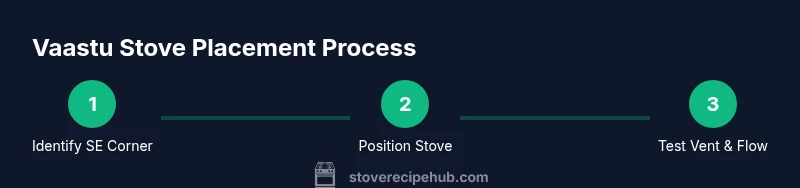
Where to place stove in kitchen as per vastu? The stove should be located in the southeast corner (fire element) and oriented to face east or north when cooking. Keep the stove away from the sink and avoid placing it directly under a beam or window. Proper placement supports positive energy flow and safer cooking habits.
Vaastu Principles for Kitchens
The core idea behind vastu shastra in kitchens is to balance elements and ensure safe energy flow. When you think about where to place stove in kitchen as per vastu, you’re balancing fire with water, air, and earth. The stove represents fire, so positioning it to support auspicious energy is common in vastu-inspired layouts. The emphasis is on harmony, safety, and ease of daily cooking. Practically, kitchens designed with vastu principles tend to feel calmer and more organized, which helps home cooks stay focused during meal prep. In addition to the stove, consider how water sources (sink, dishwasher) relate to fire so the two elements don’t directly clash. The orientation matters: fire loves direction, and a kitchen designed with mindful direction reduces stress and clutter while increasing ergonomic comfort.
Vaastu as a Guiding Framework: What This Means for Your Stove
Vaastu offers a framework rather than a rigid blueprint. For many households, applying vaastu principles means choosing the southeast for the stove, ensuring a kitchen layout that allows clear movement between cooking and prep zones, and prioritizing ventilation. Remember: vaastu is about balance and safety as much as energy. In modern homes, you’ll find kitchens that respect these ideas while preserving function and style. If you’re unsure where to start, map your current layout, identify the fire zone (stove area), and compare it against common vastu recommendations. The goal is a practical, harmonious kitchen space where cooking feels natural and flows smoothly.
Practical Considerations for Your Kitchen Layout
Beyond the fire-water balance, practical design matters. The stove should have adequate counter space on both sides for utensils, pots, and hot pans. Place the stove in a location with good ventilation—ideally near a hood that vents outside. Keep the stove away from windows where strong air currents could blow out flames or disturb flame stability. In kitchens with limited space, you can still honor vaastu by prioritizing the southeast corner and arranging major work zones (prep, cook, clean) in logical, accessible arcs. In short, where to place stove in kitchen as per vastu often centers on the southeast corner, facing east or north, with mindful spacing around the appliance for safety and efficiency.
How to Approach Changes in an Existing Kitchen
If you’re planning a renovation, start by analyzing your current floor plan. Use a compass or a kitchen layout app to identify the southeast corner and simulate stove placement there. If relocation isn’t feasible, reorienting the workflow—so the sink and stove aren’t directly opposite and a clear path exists between prep and clean-up areas—can still align with vastu ideas. Even small adjustments, like moving heavy appliances away from the stoves’ flank, can improve energy flow and safety. The key is intentional design: balance fire energy with water sources, and keep pathways open for movement and airflow. As you refine the plan, keep a running checklist of vastu-inspired criteria and verify compliance against local safety standards and building codes.
Water and Fire: Avoiding Direct Conflicts in the Kitchen
A recurring theme in vaastu-compliant kitchens is preventing direct friction between water and fire elements. In practical terms, this means avoiding situations where the stove and sink are directly opposite each other or in a straight line that creates a splitting water-fire conflict. If your layout places water features close to the stove, consider repositioning fixtures or creating a buffer zone (e.g., a counter island or cabinet). Likewise, avoid placing the stove under overhead beams or near heavy obstructions that could cast shadows or cause heat concentration. These small adjustments reduce clutter, improve flame stability, and contribute to a calmer cooking environment.
Safety and Maintenance Considerations for Vaastu Kitchens
Safety remains paramount when aligning vaastu principles with kitchen design. Ensure gas lines, electrical outlets, and ventilation are installed by licensed professionals. A clean, well-lit stove area reduces the risk of accidents and makes the alignment feel more intentional. Regularly inspect vent hoods, filters, and gas connections for leaks or wear. A vastu-compliant kitchen that also adheres to safety best practices gives you the best of both worlds: energy harmony and reliable everyday use. If you’re unsure about structural changes, consult a professional and reference trusted safety guidelines from government or academic sources.
Final Thoughts: Integrating Vaastu with Daily Cooking
The guiding question—where to place stove in kitchen as per vastu—becomes a practical design exercise that improves workflow and mood. By grounding your layout in a southeast stove position, facing east or north, and preserving safe distances from water sources, you create a kitchen that supports calm, efficient cooking. Remember that vaastu is about intention and balance, not perfection. Use this framework to inform decisions, then adapt as needed to fit your space, climate, and lifestyle. The goal is a kitchen you love to use every day.
Authority and Practicality: Where to Start
Begin with a simple assessment: locate the southeast corner, confirm stove alignment, and measure around the work zone for adequate clearance and ventilation. If any aspect of the ideal vastu placement isn’t doable due to existing walls or plumbing, prioritize the core ideas: keep fire away from water, ensure safe ventilation, and provide ample working space. This approach helps you implement vastu-inspired changes gradually while maintaining safety and functionality. For ongoing improvement, review your kitchen layout seasonally and adjust as your cooking needs evolve.
Final Design Checklist
- Stove in the southeast corner (fire element) where possible
- Facing east or north while cooking
- Adequate counter space on both sides
- Proper ventilation above the stove
- Water sources positioned away from the stove or offset with a buffer
- No beams directly over the stove and no obstructive clutter nearby
- Safe, professional handling of gas lines and electrical connections
Tools & Materials
- Vastu compass or smartphone compass app(Use to locate southeast corner accurately)
- Measuring tape(Measure distances to walls and fixtures)
- Graph paper or layout software(Draft scaled kitchen plan)
- Painter's tape and markers(Mark proposed stove position and zones on the floor)
- Notebook and pen(Document measurements and decisions)
- Professional contractor or licensed gas/electrical technician(If relocating stove or modifying utilities)
- HRV/hood vent or external exhaust option(Ensure proper ventilation option)
- Safety gloves and basic fire extinguisher(Keep on hand during any relocation work)
Steps
Estimated time: 60-90 minutes
- 1
Define goals and map current layout
Take stock of your existing kitchen: walls, fixtures, and utilities. List requirements for vaastu alignment (southeast stove, east/north facing, etc.) and note any constraints from plumbing or structural elements.
Tip: Start with a clean wall grid and mark the stove zone before moving other appliances. - 2
Find the southeast corner
Use a vastu compass or phone app to identify the true southeast corner of the kitchen. Mark it clearly on your plan so all subsequent adjustments reference this point.
Tip: Double-check with multiple measurements to avoid misalignment later. - 3
Draft a proposed stove position and orientation
Plot the stove in the southeast corner facing east or north. Note any required clearance, prep space, and proximity to water sources. Ensure the plan accommodates a vent/hood and safe access to utilities.
Tip: Place the stove away from direct alignment with the sink if possible. - 4
Evaluate interactions with water, ventilation, and flow
Check that water features (sink, dishwasher) are not directly opposite the stove and that ventilation can exhaust outside. Adjust if necessary to reduce clashes between elements.
Tip: Ventilation performance matters as much as placement for safety and comfort. - 5
Consult professionals for utilities
If moving the stove requires gas lines or electrical work, hire licensed professionals. Prioritize safety and code compliance over aesthetics.
Tip: Get written quotes and verify permits if required. - 6
Finalize and test the layout
Create a scaled final plan and test the workflow by walking through typical cooking tasks. Ensure there's space for pots, utensils, and safe movement.
Tip: Walk-through simulations help catch access or clearance issues early. - 7
Document measurements and establish a maintenance plan
Record final measurements, assign zones for prep/cooking/cleaning, and plan regular checks for vent filters and gas/electrical connections.
Tip: Keep a quick-reference layout in the kitchen for ongoing use.
Common Questions
What is the recommended stove placement according to vastu?
Traditionally, vastu suggests placing the stove in the southeast corner with the cook facing east or north. It’s important to avoid aligning the stove directly with water sources and to maintain ventilation and safety in the layout.
Vaastu guidance places the stove in the southeast corner, facing east or north, with safe spacing from water sources and strong ventilation.
Can I place the stove anywhere if my kitchen is small?
In limited spaces, aim for the southeast region and keep water sources offset. If relocation isn’t possible, optimize workflow and ventilation while preserving safety and easy access to prep areas.
Even in a small kitchen, try to keep the stove in the southeast area and ensure good ventilation.
Is it okay to have a window directly behind or beside the stove?
A window nearby can aid ventilation, but avoid strong wind blowing directly on flames. Ensure the stove has stable flame and accessibility without creating drafts that disrupt cooking.
A nearby window can help ventilation, just avoid winds directly on the flame.
Do vastu rules apply to electric stoves the same way as gas stoves?
Vaastu principles focus on fire energy and orientation; for electric stoves, emphasize placement to avoid water conflict and to optimize airflow and usability, while following safety codes.
Vaastu emphasizes placement and airflow; for electric stoves, focus on layout and safety just as with gas stoves.
Do vastu guidelines require moving the stove after renovations?
Not necessarily. You can adapt the layout to preserve the southeast fire zone where possible and balance other elements, while complying with safety codes and structural constraints.
You don’t always need to move the stove after renovations if you preserve the vastu-friendly zone and ensure safety.
What other vastu guidelines affect kitchen design beyond stove placement?
Consider the overall flow, water-energy balance, and storage ergonomics. Position sinks and refrigerators to avoid direct opposition to the stove and ensure easy access to prep and cleanup zones.
In vastu, balance energy by aligning water and fire zones and keeping workflow smooth.
Watch Video
Top Takeaways
- Place the stove in the southeast corner when possible and face east or north while cooking.
- Balance fire energy with water sources; avoid direct stove-sink alignment.
- Prioritize ventilation, safety, and clear workspace to support practical use.
- Consult licensed professionals for any utility relocations and follow local codes.