Pork Chops on the Stove Top: A Practical Guide
Learn to cook pork chops on the stove top with a hands-on, repeatable method that yields juicy, browned chops, delicious pan sauces, and reliable results.


You will learn to cook pork chops on the stove top until they’re well-seared, juicy, and evenly cooked. This method works with bone-in and boneless chops from 1 inch to 1.5 inches thick. Gather a heavy skillet, a reliable thermometer, tongs, and a few pantry spices. You’ll master searing, resting, and finishing with a simple pan sauce.
Why pork chops and stove top cooking matter
Pork chops and stove top cooking is a reliable weeknight technique that delivers browning, crust, and tenderness in under 20 minutes. For home cooks, this approach pairs a quick sear with a short rest, so the juices stay inside the meat. According to Stove Recipe Hub, nailing heat control, timing, and resting yields consistent results across bone-in and boneless chops.
Choosing the right chop is as important as the pan you use. Bone-in chops tend to stay juicier because the bone conducts heat and helps retain moisture; boneless cuts cook faster but can dry if overcooked. Thickness also matters: 1 inch is classic for quick sizzle, while 1.25 to 1.5 inches thick gives you a generous crust and a medium-rare to medium center. Bring the meat to room temperature for 15-20 minutes before cooking; this helps the chop cook more evenly. Pat the surface dry with paper towels to minimize steam and achieve that coveted golden crust. Finally, plan for a short rest after searing so the juices redistribute. In the following sections, you’ll learn how to prep, sear, finish with a sauce, and serve pork chops on the stove top with confidence.
Selecting pork chops and prepping them
Choosing the right chop matters for texture and juiciness. Bone-in chops traditionally retain moisture better, while boneless cuts cook faster and are easier to portion. Inspect for a bright pink color and a light fat cap along the edges; a slight, even trim is okay. Thickness should be consistent across the piece. A light dry brine—sprinkle of salt over the surface and rest in the fridge for 30-60 minutes—helps season through and improves the crust. After brining, pat dry to remove surface moisture before cooking. If you’re marinating, keep it simple (oil, citrus, herbs) and avoid long acidic baths that can begin to break down the meat. Bring chops back to room temperature for even cooking. Just before cooking, salt and pepper generously to create a crunchy surface that browns well.
Equipment and pan prep
Use a heavy, thick-bottomed pan. Cast iron is ideal for a superb crust, but a sturdy stainless-steel skillet works well, too. Preheat the pan over medium-high until it is hot enough that a droplet of water sizzles away quickly. Add a high-smoke-point oil (canola, grapeseed, or light olive) and swirl to coat. The oil should shimmer but not smoke; if it starts to smoke, back off the heat. Have a few paper towels ready to pat away excess moisture and wipe the pan between browning moments if needed. A reliable meat thermometer is essential for accuracy; target around 140°F–145°F before resting. Carefully lay the chop in the pan away from you to prevent splatter. Let it sear undisturbed for 2-3 minutes to form a deep crust before flipping.
Seasoning and brining options
Keep seasoning straightforward: salt, pepper, and a touch of garlic or paprika for color. A light dry brine—about 1/2 teaspoon of salt per pound, left uncovered in the fridge for 30-60 minutes—helps season inside the meat and enhances crust formation. After salting, pat dry again to ensure browning isn’t compromised by surface moisture. If desired, add aromatics like garlic powder, dried thyme, or rosemary to the pan after searing for fragrance. For a richer finish, swirl in a tablespoon of butter toward the end and baste the chops with the melted fat. A splash of stock, wine, or lemon juice can begin a quick pan sauce; keep the cooking surface lively enough to reduce slightly without burning.
Searing technique: step-by-step on the stove top
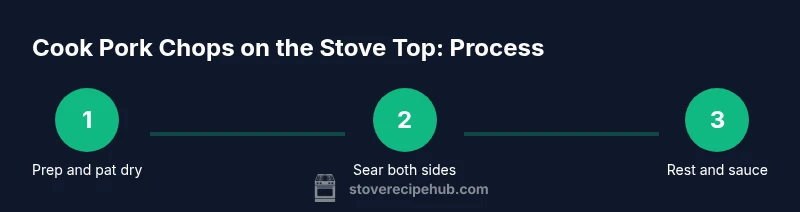
Begin by heating the pan until it is hot, then add oil and wait a moment for it to shimmer. Gently lay the chop into the pan away from you to avoid splatter. Do not move the meat for 2-3 minutes, allowing a rich crust to form. Flip and cook the other side for another 2-4 minutes, depending on thickness. If you’re using bone-in chops or thicker cuts, you may need a touch longer—always rely on a thermometer. When the internal temperature nears 135–140°F, remove from heat and let the meat rest; carryover cooking will bring it to about 145°F. Optional step: tilt the pan and baste with hot fat to boost flavor and evenness. Keep the kitchen ventilated to manage smoke from the sear.
Resting, pan sauce, and finishing touches
Resting for 5 minutes after cooking allows juices to resettle, resulting in a juicier bite. While the chops rest, deglaze the pan with a splash of broth, wine, or water to lift the browned bits. Reduce briefly, then swirl in butter for a glossy finish; a teaspoon of Dijon or a squeeze of lemon can brighten the sauce. If you prefer a lighter note, skip dairy and finish with a touch of olive oil and fresh herbs. Serve alongside mashed potatoes, sautéed greens, or sautéed mushrooms to complement the crust and juices. The finishing sauce should enhance, not drown, the chop’s natural flavor, creating a cohesive plate.
Troubleshooting and safety notes
Keep heat under control to prevent burnt crust and dry interior. If the pan is too hot, lower the flame and allow it to settle before returning the chops to the pan. If steam reveals excess surface moisture, pat the chops dry and reduce the heat briefly. Always verify doneness with a thermometer; 145°F with a 3-minute rest is the recommended target. Use oven mitts when handling the hot pan, and keep handles clear of clutter. Reheating leftovers requires gentle heat and moisture; slice across the grain for best texture and add a splash of sauce to maintain moisture.
Variations and menu ideas
Bone-in chops require a touch more time per side, so adjust accordingly. Add a crust with crushed pepper or a light breadcrumb coating for a different texture, but avoid overpowering the meat’s flavor. For a quick glaze, finish with a maple-balsamic reduction after searing, applying it away from the heat to prevent burning. Pair with apples and onions sauteed in the same pan for a classic fall pairing, or with a mushroom sauce for earthy depth. Flavor boosters like herb-butters or citrus zest brighten the dish without overloading the meat. This stove-top method scales well for small families or batch cooking, as long as you don’t overcrowd the pan and maintain heat.
Flavor pairing, plating, and leftovers
Serve with green vegetables, creamy mashed potatoes, polenta, or a light salad to balance the richness of the chops. Leftovers can be sliced and reheated gently in a skillet with a splash of sauce to preserve moisture. A final squeeze of lemon or a sprinkle of chopped parsley adds color and brightness. For a weeknight-friendly vibe, pair with a simple side dish and a glass of white wine such as Sauvignon Blanc or Chardonnay. Remember: the secret to great pork chops on the stove top is consistent heat, proper resting, and a well-balanced finish sauce.
Authority sources
For safety and best practices, refer to established guidelines from recognized authorities. Key sources include:
- USDA Food Safety and Inspection Service (FSIS): Pork cooking temperatures and safe handling. https://www.fsis.usda.gov/food-safety/safe-food-handling-and-cooking/meat-and-poultry-meat-and-poultry-cooking-temperatures
- FDA Food Safety: General food safety education and handling. https://www.fda.gov/food
- CDC Foodsafety: Core principles of safe food storage and handling. https://www.cdc.gov/foodsafety/index.html
Tools & Materials
- Heavy skillet (preferably cast iron)(Preheats evenly for a great crust.)
- Tongs(Used to flip and baste without piercing the meat.)
- Meat thermometer(Essential for accurate doneness.)
- Paper towels(Pat the surface dry to promote browning.)
- Oil with high smoke point(Canola, grapeseed, or light olive oil.)
- Salt(Basic seasoning for flavor and texture.)
- Pepper(Freshly ground for aroma and bite.)
- Butter (optional)(Finish with a buttery gloss and depth.)
Steps
Estimated time: 20-30 minutes
- 1
Prepare the chops
Pat chops dry, bring to room temperature, and season with salt and pepper. If using a dry brine, salt first and rest before cooking. Having dry surfaces helps achieve that crust you want.
Tip: Pat dry thoroughly; moisture on the surface creates steam and hampers browning. - 2
Preheat the pan and oil
Preheat a heavy skillet over medium-high heat until hot. Add a thin layer of oil and let it shimmer. The pan should be ready for a confident sear.
Tip: If you see smoke, back off the heat briefly to avoid burnt flavors. - 3
Sear the first side
Gently lay the chop in the pan away from you. Do not disturb for 2-3 minutes to form a deep brown crust.
Tip: A sticking crust means the meat isn’t ready to release; wait for a clean lift. - 4
Flip and finish cooking
Turn the chops and cook 2-4 minutes more, depending on thickness. Use a thermometer to monitor; near 135–140°F, remove from heat.
Tip: If needed, move chops to a cooler part of the pan to finish cooking evenly. - 5
Rest and deglaze
Rest chops 5 minutes. Deglaze the pan with stock or wine, reduce to a glaze, and finish with a pat of butter.
Tip: Resting prevents juices from spilling out when cut. - 6
Serve with a quick sauce
Spoon pan sauce over the chops and pair with potatoes, greens, or mushrooms for a complete plate.
Tip: A touch of lemon brightens the dish without masking pork flavor.
Common Questions
What internal temperature should pork chops reach for safe eating?
Pork chops should reach 145°F (63°C) and rest for 3 minutes before serving. This aligns with USDA guidance for safe pork consumption.
Cook pork chops to 145 degrees, then rest for three minutes for safety and juiciness.
Bone-in vs boneless: which is better for stove-top cooking?
Bone-in chops stay juicier and can be more forgiving, but boneless chops cook faster and are easier to portion. Choose based on preferred texture and cooking speed.
Bone-in lasts longer on the stove, but boneless cooks faster. Pick based on your schedule and texture preference.
How thick should pork chops be for the best stove-top result?
Thick cuts around 1 inch to 1.5 inches work best for stove-top searing: they develop a crust while finishing to a juicy center.
Aim for chops between one and a half inches thick for the best crust and juicy center.
Can I add glaze or sauce during cooking?
Yes. Deglaze after searing with stock, wine, or water, then simmer to reduce and finish with butter for a glossy finish.
Yes—deglaze after searing to build flavor with a quick pan sauce.
What pan type is ideal for searing pork chops?
A heavy skillet, preferably cast iron, provides even heat and a superb crust. Stainless steel is a solid alternative if well heated.
Cast iron is ideal, but a sturdy stainless pan works if you preheat properly.
How can I avoid overcooking pork chops on the stove top?
Use a thermometer and remove chops just short of 145°F, letting carryover heat finish the job during the short rest.
Don’t chase exact temps; remove when close and rest to finish cooking.
Watch Video
Top Takeaways
- Sear chops in a hot, lightly oiled pan for a flavorful crust
- Rest the meat to keep juices inside for juicier results
- Use a thermometer to hit 145°F final doneness with 3-minute rest
- Finish with a quick pan sauce for depth and balance