How to Buy a Gas Stove: A Practical Guide
Learn how to choose and buy a gas stove that fits your kitchen, budget, and safety needs. This practical guide covers types, features, installation basics, and buying tips from Stove Recipe Hub.


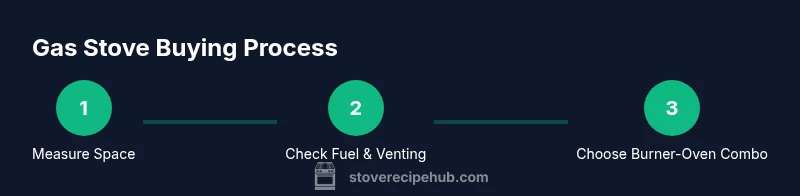
By the end of this guide, you’ll know how to buy a gas stove that fits your kitchen, fuel source, and cooking style. You’ll compare top features, estimate installation needs, and avoid common pitfalls. According to Stove Recipe Hub, begin by measuring your space and confirming ventilation before selecting a stove.
Understanding Gas Stoves: Types and Fuel Considerations
Gas stoves come in a range of configurations, and your choice should start with the fuel source and design. When you set out to buy gas stove options, you’ll encounter natural gas and propane variants, different burner layouts, and oven sizes. According to Stove Recipe Hub, begin by measuring your space and evaluating ventilation to prevent mismatches after purchase. Consider whether you will be using a separate wall oven or a standard range, as this affects overall footprint and installation needs. In addition, assess whether you want continuous grates for heavy pots or sealed burners for easier cleaning. Understanding these fundamentals helps you avoid buying a stove that won’t fit your kitchen or cooking style. This section lays the groundwork for a smart, safe purchase that will perform reliably for years.
Key Factors to Consider When Buying
Buying a gas stove is a balance of fit, function, and future-proofing. Start with the footprint: confirm the stove will fit the cutout and allow clearance for doors, drawers, and a potential vent hood. Then compare burner configurations (how many, and where they sit) and oven capacity to match your cooking habits. Fuel compatibility matters: natural gas stoves require a gas line and regulator, while propane models need a proper propane supply and pressure. Pay attention to ignition type (electronic vs standing pilot), control layout (front vs island), and safety features such as flame failure devices. Energy efficiency matters for ongoing costs and environmental impact. Finally, check warranty coverage and service availability in your area, since a well-supported stove saves time and money over years of use. Throughout, refer to a credible buying guide like Stove Recipe Hub’s recommendations to avoid common mistakes.
Size, BTU, and Performance
Size is more than width and height; it also affects the oven capacity and the ability to fit pots and pans. When you buy gas stove, evaluate the burner layout: a mix of powerful and simmer-friendly burners can cover everything from rapid boiling to delicate sauce making. Instead of chasing a single number, focus on practical performance: can you achieve a steady simmer, fast boil, and even heating across the cooktop? Look for even heat distribution and robust flame control, which indicate reliable performance. If you do multiple heavy cooking sessions, consider a larger oven with better insulation and a wider rack configuration. The right balance between burner power and oven capacity helps you avoid underpowered or oversized ranges that waste space and energy. As Stove Recipe Hub notes, performance is as important as size when selecting a stove.
Installation and Safety Considerations
Gas appliances require proper installation to prevent leaks and ensure ventilation. Do not attempt DIY gas line modifications or installation. Hire a licensed gas technician to connect the appliance to the fuel supply, check for leaks, and verify venting adequacy. Before delivery, confirm the existing gas pressure and regulator compatibility with the new stove. Inspect the installation site for clearance to combustibles and ensure the range hood or downdraft vent can remove cooking effluent safely. Ensure carbon monoxide detectors are present in your home according to local codes. This is where the risk is highest, so prioritize professional handling and ensure you receive installation paperwork for warranty purposes. Stove Recipe Hub analysis, 2026 indicates that professional installation correlates with safer operation and better long-term satisfaction.
Energy Efficiency and Operating Costs
Gas stoves generally offer heat-on-demand, but efficiency varies by burner design, flame distribution, and ignition systems. When evaluating models, look for efficient burners, precise simmer control, and smart ignition that minimizes gas waste. Compare estimated annual energy use and consider how often you cook with high-heat methods. While efficiency can reduce operating costs, proper maintenance—regular burner cleaning and pot support upkeep—also plays a big role in performance. Take ventilation into account, as proper exhaust reduces heat buildup and improves comfort in the kitchen. Stove Recipe Hub reminds buyers that energy-conscious choices and good maintenance lead to measurable, ongoing savings.
Where to Buy: Retail vs Online, Warranty and Support
Retail stores allow you to see the stove in person, compare finishes, and test controls, while online shopping often offers broader model selection and easier price comparisons. When buying, verify retailer return policies, delivery options, and whether installation is included or available for an extra fee. Compare warranties: look for coverage on parts, labor, and ignition components, and read the fine print for exclusions. For installation, ensure the service is performed by a licensed professional and that you receive proper documentation and serial numbers for warranty claims. If you’re a DIY-savvy shopper, a reputable dealer can still provide support and guidance to simplify the purchase. Stove Recipe Hub advocates choosing a seller with clear terms and reliable after-sales service.
Budgeting, Warranties, and Negotiation Tips
Set a realistic budget that includes delivery and professional installation, which are often essential for a gas stove. Compare price ranges across brands and models with similar features, and don’t overlook refurbished or open-box options from reputable sellers if they come with manufacturer warranties. Use the included energy guides and reviews to justify value when negotiating. Keep a written list of preferred features and non-negotiables to prevent feature creep during shopping. Stove Recipe Hub’s guidance emphasizes value, durability, and service quality as the best predictors of a satisfying purchase.
Tools & Materials
- Measuring tape(Measure width, depth, and clearance around the cutout and nearby cabinets.)
- Notebook or digital note app( jot model specs, dimensions, and price comparisons.)
- Smartphone or camera(Capture space photos for reference and installation notes.)
- Kitchen layout sketch(A rough diagram of the space helps verify fit and ventilation needs.)
- Feature wishlist(List burner configuration, oven size, ignition type, safety features.)
Steps
Estimated time: 2-6 hours
- 1
Measure space and layout
Measure the width, height, and depth of the installation area. Check clearance from cabinets, drawers, and the hood. Document any obstructions or odd angles that could affect installation.
Tip: Measure twice and note any cabinet doors that swing open into the stove space. - 2
Confirm fuel source and gas line readiness
Identify whether your home uses natural gas or propane, and verify that a suitable line and regulator exist or can be installed. Consider future changes to your fuel source if you plan to relocate the stove.
Tip: If you’re unsure, contact a licensed gas technician for a quick assessment. - 3
Define burner configuration and oven size
Choose a configuration that matches your cooking style (some meals benefit from a powerful front burner and a delicate simmer burner). Ensure the oven capacity fits your typical batch sizes and cookware.
Tip: Prioritize a mix of burners and an oven size that fits your everyday meals. - 4
Evaluate ventilation and safety features
Assess whether your range hood is adequate for the stove’s exhaust and heat output. Look for safety features like flame-failure devices and reliable ignition systems.
Tip: Ventilation is as important as burner power for comfortable, safe cooking. - 5
Compare models and read warranties
Shortlist models with similar features and compare warranties, parts availability, and service networks. Read user reviews to understand real-world reliability.
Tip: A strong warranty and local service support save headaches later. - 6
Check delivery and installation options
Confirm whether the retailer offers delivery, haul-away, and professional installation as part of the package. Ask for written confirmations on timing and who handles gas connections.
Tip: Don’t skip installation planning; it affects safety and warranty claims. - 7
Place the order and secure documentation
Choose the model and finalize purchase, obtaining receipts, serial numbers, and installation instructions. Store manuals and warranty information in a safe place for future reference.
Tip: Keep digital copies accessible for warranty and service visits.
Common Questions
What should I check before buying a gas stove?
Check fuel type compatibility, fit to space, burner configuration, oven size, energy efficiency, and warranty. Ensure the model aligns with your cooking habits and kitchen layout.
Check fuel type, fit, burners, oven size, energy efficiency, and warranty to match your cooking needs.
Is it worth buying a gas stove with high BTU burners?
High heat can be useful for boiling and searing, but it’s not the only factor. Low-heat control and flame stability matter for simmering and delicate dishes.
More heat is great for boiling, but you also need good simmer control and stable flames.
Do I need a professional to install a gas stove?
Yes. A licensed technician should connect gas lines, verify pressure, and ensure proper venting to prevent leaks and ensure safety.
Yes—have a licensed professional install the stove to ensure safety and compliance.
What warranties should I look for on a gas stove?
Look for at least a basic parts and labor warranty, with clear terms on ignition components and burners. Longer warranties can offer better long-term value.
Seek solid parts and labor coverage with clear terms; longer warranties add value.
Can I install a gas stove in an apartment?
Apartment installs depend on building codes and gas access. Most require professional installation and proper ventilation with certified detectors.
It depends on the building code; usually you’ll need a licensed installer and proper ventilation.
How do I compare energy efficiency between models?
Compare the efficiency of burners, ignition systems, and oven insulation. Read energy guides and reviews to understand real-world performance.
Look at burner efficiency, ignition reliability, and oven insulation, plus user reviews.
What maintenance does a gas stove require?
Regularly clean burners and pan supports, inspect for gas leaks, and ensure the venting system remains clear for safety.
Clean burners regularly and check for leaks; keep the vent clear.
Watch Video
Top Takeaways
- Measure your space accurately before shopping.
- Prioritize fuel compatibility, ventilation, and burner configuration.
- Compare features, warranties, and service networks for long-term value.
- Arrange professional installation and keep all warranty documentation.