What to Look for When Buying a Stove: A Practical Guide
Learn how to choose a stove by evaluating fuel type, space, features, safety, energy use, and cost. A practical, step-by-step guide from Stove Recipe Hub.


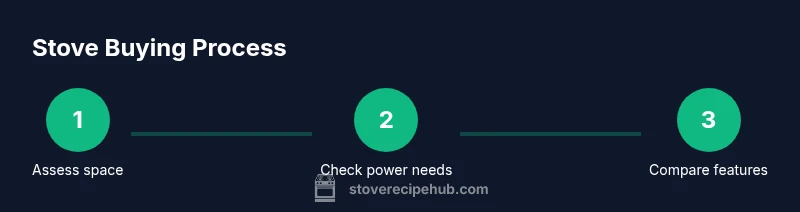
Step 1: Decide fuel type (gas, electric, or induction) based on your kitchen and wiring. Step 2: Measure available space and door clearance. Step 3: List must-have features like safety locks, timer, and auto shut-off. Step 4: Compare energy efficiency, warranties, and total cost. Step 5: Confirm installation requirements before purchasing.
What to look for when buying a stove: a practical framework
According to Stove Recipe Hub, choosing a stove starts with understanding your kitchen layout, fuel compatibility, and daily cooking needs. When you ask what to look for when buying a stove, you want a framework that translates those requirements into specifications you can compare across models. Start by lining up your space, your preferred fuel type, and the kinds of meals you cook most often. The aim is to find a balance between reliability, safety, efficiency, and value that suits your family’s routines. In this guide we’ll map the decision criteria to real-world features and typical tradeoffs, so you can shop with confidence in 2026.
Size, space, and layout considerations
The right stove fits your kitchen footprint without crowding counters or blocking traffic. Begin by measuring the width of the cabinet opening, the depth from wall to edge, and the vertical clearance needed for a hood or splashback. Don’t forget door swings if you’re placing the stove against a wall with an adjacent cabinet. Allow extra space for a safe working area, pan sizes, and for you to knead or prep while cooking. Finally, verify the electrical or gas hookups in the room and ensure they match the stove’s requirements. A poor fit here undermines performance and safety, even for excellent brands.
Fuel type and power needs
Fuel type is more than preference; it impacts ventilation, wiring, and even cookware choices. Gas stoves offer instant flame and high heat, electric coils provide forgiving cleanup, and induction delivers fast heating with great energy efficiency when paired with compatible cookware. Induction requires magnetic pots, so check your existing pots or plan to upgrade. Evaluate which option aligns with your stove location, hood design, and the home’s electrical system or gas supply. Remember that switching fuel types later can be costly.
Burner configurations, controls, and cooktop style
Look at how the cooktop is organized and how intuitive the controls feel in your hands. A well-designed layout minimizes reaching and crowding, with clearly labeled knobs and digital readouts. Consider the number of burners, their spacing, and the presence of high-power elements for searing or boil-over prevention features like simmer settings. The choice between sealed burners, open burners, or smooth-top surfaces affects cleaning and heat distribution. A sturdy surface that tolerates daily use keeps cooking enjoyable and reduces the risk of accidents during busy weeknights.
Oven capacity, racks, and specialty functions
Even without exact measurements, assess typical load needs. A roomy oven should accommodate a standard roasting pan, multiple racks, and have flexible rack positions for different recipes. Look for features that matter to you, such as self-cleaning modes, convection for even browning, multiple rack supports, and a dependable timer. If you bake often, consider one with dual oven compartments or a programmable temperature probe. The goal is to find a model that can handle regular family meals and occasional big-batch cooking.
Energy efficiency and operating costs
Energy efficiency matters over the lifetime of the stove, not just at purchase. Induction modules often outperform traditional coil or gas in overall efficiency because heat is generated directly in the cookware. Look for efficient burners, insulated walls, and good door seals, as these reduce heat loss. While upfront price matters, project long-term costs by estimating energy use across common cooking tasks. A model with solid build quality will also perform reliably for years, lowering maintenance and replacement costs.
Safety, maintenance, and cleaning habits
Safety features and ease of maintenance should influence your final decision. Seek models with child locks, automatic shutoff, flame-safety devices, and clear fault indicators. Regular cleaning habits preserve performance, so choose finishes that wipe clean and resist staining. Pay attention to the oven’s interior coatings and racks; chrome racks last longer and handle heavy dishes with less wear. If you have small children or a busy kitchen, prioritize protective features and accessible maintenance routines.
Installation, warranties, and service choices
Before you buy, confirm installation requirements and who does the work. Gas stoves typically require a licensed professional for connection and venting, while electric stoves generally need a grounded outlet and proper circuit capacity. Review the warranty details: what it covers, for how long, and whether in-home service is included. Check availability of parts and service in your area, and ask about delivery, haul-away, and installation fees. A well-supported purchase reduces surprises down the line.
Making the decision: a shopper’s decision framework
Use a simple scoring method to compare models side by side. Create a list of priorities across fuel type, space, safety, and price. Tally features that matter most to your cooking style and family needs, then weigh initial price against long-term costs. If possible, test models in-store with the kind of pots and pans you own, and review the installation plan with a technician. By focusing on fit and cost of ownership, you’ll choose a stove that serves your kitchen well for years to come.
Tools & Materials
- Tape measure(to verify width, height, and clearance; measure opening and door swings)
- Notepad and pen(for recording dimensions, feature priorities, and quotes)
- Manufacturer specs sheet(collect model dimensions, electrical requirements, and venting info)
- Electrical outlet and gas supply information(document current wiring/gas capacity and location)
- Level(to ensure the stove sits level on the installation surface)
- Safety gloves(for handling equipment during demonstrations or transport)
Steps
Estimated time: Total time: 1-2 hours
- 1
Decide fuel type and cooking style
Assess whether you prefer gas, electric, or induction based on wiring, ventilation, and your typical recipes. Consider how often you use high-heat searing versus steady simmering and the cookware you own.
Tip: Check the existing gas line or 240V circuit availability before shortlist drafting. - 2
Measure space and plan layout
Measure the width of the opening, the depth available, and the space needed for a hood or splashback. Include clearance for doors, drawers, and safe movement around the stove.
Tip: Account for hood width and any surrounding cabinetry that could affect installation. - 3
Check electrical and gas requirements
Record the voltage, amperage, and gas pressure requirements from the model specs. Confirm that your home’s services can support the chosen stove.
Tip: Avoid parallel work; consult a licensed professional if gas lines are involved. - 4
Evaluate burner arrangement and power
Look at the number of burners, their spacing, and the availability of high-power and simmer options. A practical layout reduces crowding and helps with even heating.
Tip: Prefer models with flexible burner gaps for larger pans. - 5
Assess oven capacity and features
Evaluate the oven size, rack configuration, and features like convection, self-cleaning, and programmable timers. Ensure it handles your favorite dishes and batch cooking.
Tip: Test the oven light and door seal if you can in-store. - 6
Review safety and cleaning ergonomics
Inspect safety features such as child locks and auto shutoff. Consider finishes that resist staining and a cooktop that’s easy to wipe.
Tip: Choose a surface you’ll enjoy cleaning as much as cooking. - 7
Compare warranties and service options
Look at coverage length, what it includes, and whether in-home service is available. Check local parts availability and service networks.
Tip: Ask about parts availability and response times. - 8
Plan installation and finalize purchase
Decide on model, confirm delivery and installation dates, and schedule a professional hookup if needed. Ensure removal and disposal of an old unit if applicable.
Tip: Get a written quote that includes installation and disposal.
Common Questions
What is the most important factor when buying a stove?
Fuel type and kitchen fit usually top the list, followed by safety and reliability.
Fuel and kitchen fit are the most important factors to consider.
Should I invest in a high-efficiency stove?
Higher efficiency models can save energy over time, but weigh upfront costs against your usage.
Higher efficiency may save energy; consider your cooking habits.
Is professional installation required?
Yes, especially for gas connections and venting. Electric stoves typically need a proper outlet and circuit.
In most cases, professional installation is recommended.
How do I compare warranties?
Look at duration, coverage scope, and whether on-site service is included.
Check how long the warranty lasts and what it covers.
Can I upgrade features later?
Some features can be added or upgraded with newer models, but major changes may require a new unit.
Upgrades later are sometimes possible, but not always.
What size should I buy?
Choose a model that fits the opening and hood clearance; measure precisely.
Measure your opening and clearance for a proper fit.
Watch Video
Top Takeaways
- Define your fuel type and space first
- Measure precisely to avoid fit issues
- Prioritize safety and warranties
- Test in-store when possible
- Plan installation before purchase