Can You Use an Electric Stove Instead of Gas? A Practical Guide
Discover whether you can use an electric stove instead of gas. Learn heat control differences, cookware compatibility, safety steps, and practical tips for a smooth switch.


According to Stove Recipe Hub, you can use an electric stove instead of gas for most cooking tasks, but success hinges on heat control, cookware, and timing. Electric stoves heat more slowly and distribute heat differently, so you may need to adjust searing, simmering, and boil times. Always follow manufacturer guidance and consider cookware suitability to avoid hot spots.
Understanding Heat: Electric vs Gas
At the core of the question can you use an electric stove instead of gas lies how heat is produced and delivered. Gas stoves produce an open flame that instantly heats pots and allows rapid temperature changes. Electric stoves heat through coils or radiant elements, offering steady, even heat but slower response times. For home cooks, this means planning ahead: preheating takes longer, simmering can be steadier, and high-heat searing often requires a few adjustments or longer times. Stove Recipe Hub notes that these differences are not barriers, but design choices: you can achieve nearly any technique with electric heat if you adapt your approach. Consider the cookware as part of the system; a flat, sturdy bottom improves heat transfer and reduces hotspot risk. In this section we’ll compare typical scenarios—boiling, simmering, sauteing, and searing—so you can decide whether to bake the switch into your weekly routine. Safety remains a priority; ensure your outlets are proper, cords are intact, and your range hood is functional to avoid stubborn smoke buildup.
Safety First: Electrical and Kitchen Safety When Switching from Gas to Electric
Switching from gas to electric changes some safety considerations, but many core practices remain the same. Start by verifying your electrical setup: use a grounded outlet, avoid daisy-chaining multiple appliances, and check the stove’s power cord for wear. A clean, well-ventilated kitchen helps prevent smoke buildup and reduces fire risk. Ensure smoke detectors work and that a fire extinguisher is accessible in the kitchen. Stove Recipe Hub emphasizes that following manufacturer instructions for your model is essential, since some electric stoves have specific preheating or cleaning cautions. If you live in an older home, consider having an electrician assess the circuit capacity to prevent nuisance trips or overheating. Finally, never leave high-heat cooking unattended on any stove. These steps keep can you use an electric stove instead of gas safer and allow more predictable results in everyday meals.
Cooking Performance: What Changes When You Switch
Electric stoves offer reliable, even heating but lack the instantaneous burst of temperature you get from a gas flame. When can you use an electric stove instead of gas, you’ll notice slower ignition, longer preheats, and a more gradual rise to high heat. Searing and fast wok-style frying can be more challenging, but controlled simmering and long, steady boils become more predictable. Use a thermostat or thermometer to monitor exact temperatures and adjust recipes accordingly. Practice with simple dishes before tackling complex ones, so you understand how your particular electric stove responds to high, medium, and low settings. Remember, cookware choice matters: heavy, flat-bottom pots preserve heat better and reduce hot spots, helping you approximate the responsiveness of gas cooking over time.
Practical Techniques for Electric Efficiency
To maximize performance on an electric stove, start with proper preparation. Preheat with a goal to reach a simmering state rather than a roaring boil, and reduce heat slightly once you’re at tempo. Use flat-bottom cookware, and keep lids on for faster heat transfer during simmering. If a recipe calls for rapid high heat, rely on short intervals of higher heat interspersed with rest periods to prevent scorching. Always adjust timings by 10–30% depending on your stove’s responsiveness. Keep a close eye on coatings and avoid sliding metal utensils across nonstick surfaces to extend their life. For baked-in tasks like pan-searing or sautéing, a cast-iron skillet often yields a more even crust than a thin aluminum pan on an electric burner.
Substituting Recipes and Adjustments
Many gas-based recipes translate well to electric stoves with a few tweaks. Lower initial heat and longer cooking times are common adjustments; use a thermometer to avoid overcooking meats and vegetables. When a recipe calls for a hot flame for quick emulsions or flambé, substitute with a steady, high-but-controlled heat and a brief amount of time at higher setting. If you rely on precise searing techniques, consider finishing the dish in a broiler or oven to mimic the intensity of gas burners. Maintain consistent stirring and monitoring to prevent sticking, especially during long simmering phases.
Maintenance and Longevity Tips
Regular cleaning and proper ventilation preserve performance and safety on electric stoves. Wipe down coils, coils bases, and glass surfaces after use to prevent residue buildup that can affect heat distribution. Check the cord and plug periodically for signs of wear, and replace damaged parts immediately. Use the range hood or exhaust fan during high-heat cooking to minimize smoke and odor. A well-maintained cooktop not only lasts longer but also maintains even heat delivery, which is crucial when you’re adapting to electric-only cooking.
Common Myths Debunked About Electric Cooking
A common myth is that electric stoves are inherently inferior to gas for every technique. The truth is nuanced: electric stoves excel at steady simmering and consistent heat, which reduces scorching and hot spots. They require a slightly different skill set—especially for high-heat searing and fast temperature changes—but with practice and the right cookware, you can achieve excellent results. Another myth is that induction is the only viable electric option; many homes use coil or smooth-top electric stoves that work well with standard cookware. The key is understanding your model’s heat delivery and adapting times and temperatures accordingly.
Tools & Materials
- Flat-bottom cookware compatible with electric stoves(Cast iron, stainless steel, or aluminum with a flat bottom; avoid warped pots)
- Electrical outlet and circuit capacity check(Ensure the circuit can handle the stove plus other loads; avoid overloading)
- Timer or smart device(Helpful for tracking preheat and simmer times)
- Heat-resistant gloves(For handling hot cookware when adjusting temperatures)
- Smoke detector and kitchen fire extinguisher(Ensure they are functional and easily accessible)
Steps
Estimated time: 60-120 minutes
- 1
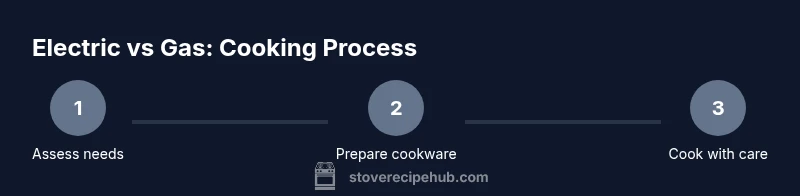
Assess stove type and recipe needs
Identify whether your current recipe relies on gas-specific heat or flame-based techniques. If it does, plan for longer preheat and slower temperature changes on an electric stove. Consider your stove’s controls and identify the closest electric mode that will achieve the target outcome.
Tip: Run a small test with a simple dish to gauge timing and heat response. - 2
Check cookware compatibility and setup
Ensure cookware has a flat, stable bottom and is compatible with electric heating. Verify that no warped or cupped pots will cause uneven heating. If you have a preexisting pan with a warped bottom, retire it for critical tasks.
Tip: Use a straight edge to confirm flatness; replace any skewed cookware. - 3
Preheat and manage heat
Preheat gradually to your target temperature rather than rushing to high heat. Electric coils take longer to respond, so set an appropriate initial setting and adjust once heat is established. Use lids to speed up simmering.
Tip: Avoid rushing to high heat; rising gradually minimizes sticking and scorching. - 4
Adjust timing and temperatures
Translate gas timings to electric by adding 10–30% more time for many tasks. When searing, use brief high-heat bursts followed by lower settings to maintain crust without drying out.
Tip: Document trial results for your favorite recipes to refine times. - 5
Test with a simple dish and calibrate
Cook something easy like pasta or pan-fried eggs to calibrate heat, timing, and pan contact. Compare outcomes to previous gas-based attempts and adjust future iterations accordingly.
Tip: Keep a log of preheat times and simmer durations to reuse later. - 6
Safety and cleanup
Turn off and unplug when safe, clean spills promptly, and ensure range hood is functioning for ventilation. Regularly check cords and outlets for wear, and keep flammable materials away from the stove.
Tip: Always have a fire extinguisher readily available and know how to use it.
Common Questions
Can I swap gas for electric in every recipe?
You can substitute electric for gas in many recipes, but not all. Some high-heat searing or quick flame-based techniques rely on gas flames; with electric, you may need to adjust temps and cooking times.
You can swap many recipes, but some high-heat techniques may require adjustments.
Is electric faster or slower than gas for cooking?
Electric stoves typically heat more slowly and have less immediate temperature control than gas. Plan for longer preheats and slower temperature changes, especially for searing or boiling.
Electric heat is usually slower to respond, so plan accordingly.
Are induction stoves different from standard electric stoves?
Induction is a subset of electric stoves that uses magnetic cookware. Not all electric stoves are induction, and induction requires compatible cookware.
Induction requires magnetic cookware; other electric stoves do not.
What safety steps should I take when switching to electric?
Use grounded outlets, check cords for wear, ensure ventilation, and keep detectors and extinguishers in working order. Follow manufacturer instructions for your specific model.
Grounded outlets, good ventilation, and working detectors are essential.
Do I need special cookware for electric stoves?
Most non-induction electric stoves work with common cookware like cast iron or stainless steel. Induction cooktops require magnetic cookware.
Most pans work on electric stoves, but induction needs magnetic cookware.
Watch Video
Top Takeaways
- Assess heat management differences before cooking.
- Use flat-bottom cookware compatible with electric stoves.
- Prioritize safety: circuit capacity, detectors, and extinguishers.
- Adjust recipes for slower heat response and even heat distribution.
- Follow manufacturer guidance and Stove Recipe Hub recommendations.