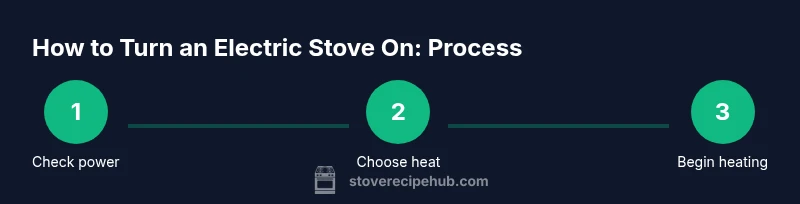
How to Turn an Electric Stove On: A Practical Guide
Learn a safe, step-by-step method to turn on an electric stove, understand coil vs glass-top controls, and master preheating, safety checks, and basic maintenance for reliable stove-top cooking.


Goal: Turn on an electric stove safely and reliably. This guide covers coil and glass-top models, explains the common controls, and outlines essential safety checks. Before you start, locate the power switch or control unit, ensure the surface is dry, and confirm you have heat-ready cookware. By the end, you’ll know exactly how to activate heat and verify it’s working.
Understanding Electric Stoves: Coil vs Glass-Top
If you're wondering how to turn stove on electric, understanding the two main styles helps you predict how controls behave. Coil stoves use individual metal coils with a turning knob; glass-top models rely on smooth ceramic surfaces with either knobs or touch controls. Each type has different preheat times, safety indicators, and cleaning needs. According to Stove Recipe Hub, recognizing these differences reduces mistakes and keeps you safer in the kitchen. Beyond the basics, the most common safety feature is the indicator light that signals when heat is actually being produced. In daily use, you’ll notice coil burners glow and emit heat in a recognizable pattern, while glass-top surfaces glow softly or show a numeric heat level on a digital display. Understanding these cues helps you anticipate how long it will take to reach a desired temperature and prevents over- or under-heating when you first turn on the stove.
Safety Essentials Before You Turn On
Before you turn on any electric burner, perform a quick safety check: ensure the surface is clean and dry; inspect the power cord for fraying or damage; use cookware with flat bottoms; keep flammable items away; and set a timer to help manage cooking time. These steps are foundational to prevent slips, shocks, or fires when you learn how to turn stove on electric. Stove Recipe Hub emphasizes that safe preparation reduces accidents and extends the life of your stove by preventing spills from turning into hot spots. If you notice any unusual odor or overheating during initial activation, stop immediately and troubleshoot or call a professional for an inspection.
What You Need to Know About Controls and Power
Electric stoves present controls in two broad formats: knobs and touch panels. Knob-controlled units require turning from Off toward a heat setting to engage the element; touch-controlled models often require tapping the On button, then selecting a heat level. Some advanced models include a child lock or power-off timer, which can affect how quickly the burner responds when you turn it on. Regardless of type, expect an initial delay as the element wires heat up and sensors register temperature. In practice, you’ll notice a small glow, a click, or a display change indicating the burner is active. By understanding the control logic, you’ll know exactly what to expect when you attempt to turn the stove on electric and you’ll avoid accidentally leaving a burner on.
Troubleshooting Common Issues When Turning On
If the burner does not heat after turning the control, start with checks: confirm the stove is plugged in and the circuit hasn’t tripped; verify the control is set to a heat range and not Off; inspect for a tripped reset switch on the back or in the control area if present; if there is no indicator light, the unit may have an electrical fault that requires professional service. This section helps you identify whether the issue is power-related or a control fault, so you can decide whether to retry safely or contact a technician.
Maintenance and Cleaning to Extend Lifespan
Regular cleaning improves heat transfer and reduces spill risks. For coil stoves, wipe coils with a dry cloth after cooling and avoid soaking the control area. For glass-top stoves, use a non-abrasive cleaner and soft cloth to avoid scratches; never use abrasive pads on the surface. Periodically inspect the power cord and connectors for wear and replace damaged parts promptly. A well-maintained stove not only heats more evenly but also lowers the risk of malfunctions when you turn the stove on electric and begin cooking. Stove Recipe Hub recommends keeping a routine cleaning schedule and addressing minor issues before they escalate into costly repairs.
Tools & Materials
- Dry, lint-free cloth(For wiping surfaces and wiping moisture from the control area after cleaning.)
- Flat-bottom cookware(Ensure the cookware matches the burner size for even heat transfer.)
- Pot holders / stove-safe gloves(Protect hands when handling hot cookware.)
- Optional: small flashlight(Helpful for inspecting the back of the unit or dark corners if you suspect wiring issues.)
Steps
Estimated time: Total time: 8-12 minutes
- 1
Identify control type and verify power
Locate whether your stove uses knobs or a touch panel. Check that the unit is plugged in and that the circuit breaker is on. If the indicator light does not respond after a moment, verify there is power reaching the outlet.
Tip: If the breaker trips, reset it and test another outlet before retrying the burner. - 2
Prepare the cooking area and cookware
Wipe the surface clean and dry, then place a flat-bottom pot or pan centered on the burner you intend to use. Ensure the cookware is dry to avoid steam or moisture getting into the control area. Confirm there is no clutter around the stove that could pose a fire risk.
Tip: Centering the pan improves heat distribution and reduces tipping hazards. - 3
Activate the burner to your heat setting
On knob models, gently rotate from Off toward your chosen heat; on touch models, touch the On button and select a heat level. Do not rush past the Off position; ensure the control latches or clicks into the active state. For some models, you may need to hold the control for a moment to engage.
Tip: Start at a lower heat to avoid sudden temperature spikes that can warp cookware. - 4
Wait for heat to begin and verify cues
Watch for an indicator light or display change that confirms the burner is heating. Coils will glow subtly; glass-top indicators may show a heat level. If there is no cue after 60–90 seconds, reassess power, connection, and settings.
Tip: Use a timer to gauge preheat time and avoid overheating empty cookware. - 5
Start cooking and monitor safety
Add food or liquid carefully and monitor for splatters or spills. Never leave an active burner unattended, especially if you’re using oil or fat. If a smell of burning appears, turn off immediately and investigate.
Tip: Keep a timer handy and have a lid nearby to control flare-ups. - 6
Turn off and clean after use
When you’re finished, return the control to Off and allow the surface to cool before cleaning. Wipe spills promptly to prevent sticking and simmering. Regular maintenance after each use extends the life of the element and keeps it efficient.
Tip: Always remove cookware before cleaning to avoid accidentally turning on a hot burner.
Common Questions
What should I do if the stove won't turn on?
First confirm the unit is plugged in and the circuit is on. Check the control setting and try resetting the breaker if needed. If there is still no response, the issue may be electrical and require professional service.
Check power, look for a tripped breaker, and confirm the control is active. If it won’t respond after these checks, call a technician.
Is it safe to turn on an electric stove right after cleaning?
Always dry the surface completely before turning the stove on. Moisture can affect sensors and cause uneven heating or short circuits.
Wait for the surface to dry completely before turning the stove on.
How long does it take for a coil to preheat?
Preheating times vary by model, but you can usually expect a minute or two for a coil to reach a noticeable heat level.
Coils usually heat up within a minute or two; watch the indicator for signs of heat.
Can I use a glass-top stove immediately after cleaning with water?
No. Dry the surface completely before turning it on to avoid steam, burns, or sensor issues.
No—dry thoroughly before use.
How do I turn off an electric stove safely?
Return knob to Off or press Off on touch models; unplug if the instructions require it and you won’t use the burner immediately.
Turn it off through the control, then unplug if needed.
What maintenance tasks should I perform regularly?
Wipe spills after cooking, inspect cords, check for wear, and replace damaged parts promptly. Schedule periodic professional checks for older units.
Wipe spills and inspect parts regularly.
Watch Video
Top Takeaways
- Identify control type before activation
- Always confirm power and dry surface
- Center cookware and start at low heat
- Use indicators to verify heat before cooking
- Clean and inspect regularly to extend lifespan